Patchouli essential oil
Essential oils
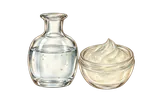
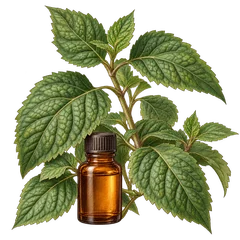
A lasting leaf-derived perfume oil used in soaps and cosmetics; experimental repellent preparations are separate from ordinary fragrance products.
Read entry615 INGREDIENT ENTRIES
Browse A–Z or by category.
Suggest an ingredient to research
Search names, alternate names, identity, indexed growing and reference notes. Exact names and alternate names appear before deeper reference mentions. Health-topic searches are handled separately. Browse the symptom and everyday-topic directory for source-linked meanings and care context. Ingredient references for health topics remain limited to the separately reviewed headache index. This search does not diagnose. Whole words matches “tea”, not “steam”; it still searches the full indexed text. Multiple words narrow ordinary name searches. Browse Health Topics or Men’s Health for sourced research, including no-benefit and safety findings.
Explore copper food sources by form and portion
Nutrient labels point to selected form-specific references, not a richness ranking. An absent label does not mean the food lacks that nutrient. A traditional or research use is not a blanket recommendation.
Food and flavoring: An explicitly recorded food or flavoring use. Check the named edible form, preparation and cautions; this tag is not a blanket edibility recommendation.
Food nutrient references: A named food preparation has serving-specific nutrient data. Small amounts still appear; this is not a high-source claim. The Copper reference index is excluded.
Household and craft: An explicitly recorded material, fragrance, ceremonial, gardening, household or craft application; historical uses may be unsafe to reproduce.
Traditional practices: An attributed traditional or historical practice, not a claim of proven treatment benefit.
Skin and cosmetic: A recorded external skin, hair, mouth-care or cosmetic application; follow the exact form and cautions. This does not imply efficacy or safe DIY use.
Mosquito-repellent research: Preparation-specific mosquito-repellent research or regulated-product context. Growing plants, teas, raw leaves and arbitrary oil mixtures do not inherit results.
Bible connections: A sourced biblical passage or related-name/source-plant connection. Retain the card’s identity uncertainty; this does not prove a modern species identification.
Botanical illustrations are decorative studies, not foraging guides. The dove marks a biblical reference; each card explains its connection and any uncertainty in identification. Original-language notes accompany the KJV quotations.
Read the KJV's own words alongside the plant or material identified today. Each card in this KJV collection shows one or two complete scripture quotations and explains whether the connection is direct, a different preparation of the source plant, a probable identification, or an uncertain related name.
Olive oil is explicitly named. Esther 2:12 refers to oil of myrrh, John 12:3 to ointment of spikenard, and Exodus 30 to a compound anointing oil. These are ancient oils, perfumes and ointments; the passages do not specify modern steam-distilled essential oils.
No vitamins are named as vitamins in the KJV. The nutrient content of biblical foods belongs to modern nutrition and is described separately in the relevant food cards.
Scripture references may concern food, fragrance, worship, trade, poetry or a historical narrative. The context and the exact plant part matter. The cards preserve that context alongside the existing preparation and safety information.
This collection covers herbs, spices, aromatic materials, oils, biblical foods and nuts, with qualified connections to existing cards. It uses the 66-book KJV text.
The History, folklore and traditional uses section follows each ingredient’s story. It covers where ingredients come from, where they grow, their role in different cultures, and recorded home uses. We distinguish folklore, recorded practices, personal reports and research findings, and identify their sources.
Traditional and historical labels describe recorded uses. Reported or anecdotal uses describe claims or personal experiences. They do not promise results. Nutritional roles explain how nutrients help the body work normally. Taking extra supplements does not always help.
Known constituents means chemical compounds found in an ingredient. Not every product will contain them or have an active amount. The amount and how much your body takes in can vary by species, plant part and preparation. Similar items share a named feature. You cannot always use one in place of another.
Vitamins and minerals notes apply to the named edible form and serving size. Estimated nutrient amounts vary with growing conditions and preparation. They do not describe every product or promise how much your body will take in. Daily Value percentages are general guides used on labels, not personal targets. When a recipe uses a little seasoning, each person gets only part of that amount. Essential oils and products used on skin are not food sources of vitamins or minerals.
Check the species, plant part, preparation and how it is meant to be used. A tea, tincture, concentrated extract and essential oil cannot simply replace one another. These notes are general information for adults. They do not tell you what dose to take by mouth or give you a personal treatment plan. Each preparation example explains its purpose, how it is used and its limits. We label home versions of preparations. Evidence applies to the preparation and use studied; findings for one form do not establish the effects of another. Read the cautions along with the uses. Ask a qualified professional about medicines, pregnancy, health conditions and planned surgery.
Keep concentrated products away from children and pets. Do not swallow bottled essential oils or use them undiluted on skin. For a possible poisoning in the United States, call Poison Control at 1-800-222-1222; get emergency care for severe trouble breathing, seizures or collapse.
No matching ingredients. Try another spelling or clear the filters.
Swipe or scroll for more categories
Essential oils
A lasting leaf-derived perfume oil used in soaps and cosmetics; experimental repellent preparations are separate from ordinary fragrance products.
Read entryHerbs and tinctures
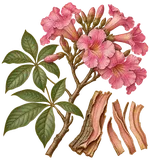
An inner-bark remedy with a South American history, limited human evidence and important toxicity concerns.
Read entryFoods
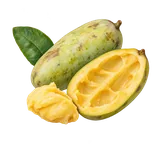
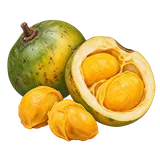
A North American fruit with soft, aromatic pulp eaten fresh or in desserts; remove the seeds and skin, which are not edible.
Read entryReference materials
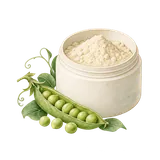
Pea protein isolate supplies protein; its best-known training trial found a muscle-thickness advantage only in an initially weaker subgroup.
Read entryReference materials
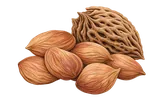
A safety-restricted history of tao ren, the medicinal peach seed kernel. It contains cyanogenic compounds and is not an edible-peach or home-remedy recommendation.
Read entryFoods
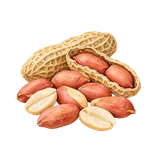
A legume seed eaten roasted or boiled and ground into peanut butter; peanut is a major food allergen, and whole nuts can cause choking.
Read entryFoods
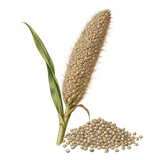
A drought-tolerant Sahelian grain used in porridge, staple dough and breads, with a long farming history across Niger, Mali and Senegal.
Read entryFoods
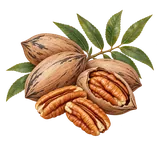
An edible hickory nut strongly associated with southern US orchards and food traditions.
Read entryFoods
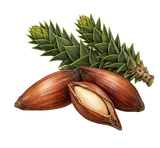
A starchy seed from the pehuén tree of southern Chile and nearby Andes, used in cooked foods and distinct from pine nuts.
Read entryHerbs
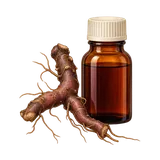
Specific pelargonium-root extracts have traditional use for common-cold symptoms, with important limits to the clinical evidence.
Read entryReference materials
A toxicity reference for pennyroyal, a common name covering two distinct plants. Concentrated oil has caused fatal poisoning; leaf histories are separate and do not establish a safe reproductive remedy.
Read entryFoods
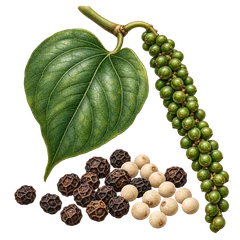
One climbing vine supplies black, white and green peppercorns, processed for different flavors and dishes; concentrated piperine supplements can interact with medicines.
Read entryEssential oils
Peppermint essential oil is a concentrated distillate used in specific digestive, headache and aromatic products; aromatherapy oil must never replace an oral medicine.
Why this matched · reviewed headache reference
Context: Tension-type headache; topical symptom-relief research. Migraine benefit is not established by the cited trial.
Evidence: Limited human evidence; formulation-specific.
Why it appears: Limited research suggests a formulated peppermint-oil skin product may ease tension-type headache. This is not evidence that every peppermint preparation treats headaches.
Exact form: A specific topical peppermint-oil/ethanol product was studied. This is not peppermint tea, swallowed aromatherapy oil or a homemade-mixture instruction.
Caution: Do not swallow aromatherapy oil or apply undiluted essential oil. Avoid eyes, mucosa and young children's faces; skin irritation is possible. Follow a suitable finished product's label; seek advice for children or pregnancy.
Sources: NCCIH: Peppermint oil · Göbel et al. (1996): randomized crossover trial in 41 adults
Read the headache evidence and full cautions →Herbs and tinctures
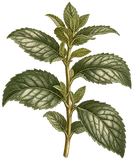
Peppermint leaves bring mint flavor to food and tea, with a European tradition of use for indigestion and gas; distilled oil is different.
Why this matched · reviewed headache reference
Context: Historical external leaf use; benefit unproven.
Evidence: Historical record, not clinical evidence of effectiveness.
Why it appears: Grieve’s 1931 herbal records bruised fresh peppermint leaves applied externally for headache. This documents past use, not clinical effectiveness.
Exact form: External fresh peppermint leaf in a historical account. This does not inherit essential-oil or capsule research and does not establish headache benefit from peppermint tea.
Caution: No established headache benefit for peppermint leaf. Historical recipes are not current treatment or safety guidance; peppermint or menthol allergy matters.
Sources: Maud Grieve: A Modern Herbal (1931), Mints, peppermint section · NCCIH: Peppermint oil and evidence boundaries
Read the headache evidence and full cautions →Reference materials
Peppermint water and gel have been studied for early breastfeeding nipple damage. Results belong to specific formulations and do not validate leaf tea or undiluted oil.
Read entryFoods
A strongly flavored Cerrado fruit used in central Brazilian rice dishes; eat only the prepared pulp and never chew or blend the spiny stone.
Read entryFoods
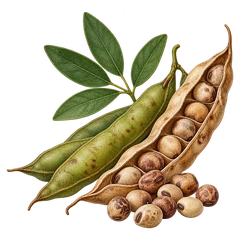
A legume with Indian-subcontinent roots and distinctive Caribbean kitchens: gandules in Puerto Rican rice, pigeon peas in pelau, and split peas in Indian dal.
Read entryFoods
A tropical fruit with Indigenous American cultivation history, used fresh, in drinks, savory dishes, dried foods and preserves.
Read entryFixed oils
Pistachio oil brings nutty flavor to food or softness to skin, depending on its grade; pistachio allergy remains a concern.
Read entryFoods
A green edible kernel commonly identified with the KJV nuts sent as a gift in Genesis.
Read entryReference materials
A historical reference to Pistacia leaf use for skin cancer, with no verified treatment outcome.
Read entryFoods
A tart, dough-like breadfruit food preserved by fermentation in traditions documented in Pohnpei and Kosrae; historical pit methods are not home-safety instructions.
Read entryFoods
A cooking banana used green for starchy dishes or ripe for sweeter ones, with boiling, mashing, roasting and frying traditions across Africa and the Caribbean.
Read entryHerbs and tinctures
Broadleaf plantain has a tradition of use on bites and irritated skin; fresh leaves are not sterile and should stay off broken skin.
Read entry