


Key cautions
- Do not substitute ornamental Tagetes plants, concentrated oils or plants identified only from this description.
- Avoid the product if it causes mouth irritation or an allergic reaction; family membership does not establish individual tolerance.
What’s inside
Leaf secretory structures contain volatile aromatic compounds; the composition of an extracted essential oil differs from that of a garnish or sauce.
Uses in brief

- Aromatic cooking herb
- Flavoring processed foods
History, folklore and reported uses
History, folklore and traditional uses
Regional context: native and cultivated; Peru, Bolivia. These examples describe specific food or material traditions and production settings; they do not establish exclusive ownership, a single continent-wide recipe, or therapeutic effectiveness.
Traditional, historical and reported uses
- Aromatic cooking herb
Food or household practiceWhy this label?
Source documents this specific material, culinary use or attributed practice; no clinical efficacy is inferred.
FAO’s Andean food account names huacatay among aromatic herbs used alongside regional crops. It supplies a distinctive savory aroma in a food context.
- Flavoring processed foods
Food or household practiceWhy this label?
Source documents this specific material, culinary use or attributed practice; no clinical efficacy is inferred.
A Peruvian fisheries-library record documents investigation of huacatay as a flavoring liquid in canned fish. This supports a food-processing role, not a household canning method.
2 bounded uses; regional records do not establish treatment effects.
Historical-use additions reviewed 2026-10-09
Regional reading paths
These sourced notes describe cultivation, trade, food traditions or material history. A regional connection does not claim exclusive origin.
South America
native and cultivated; Peru, Bolivia
Aromatic leaves for cooking.
Identity & detailed reference
Identity
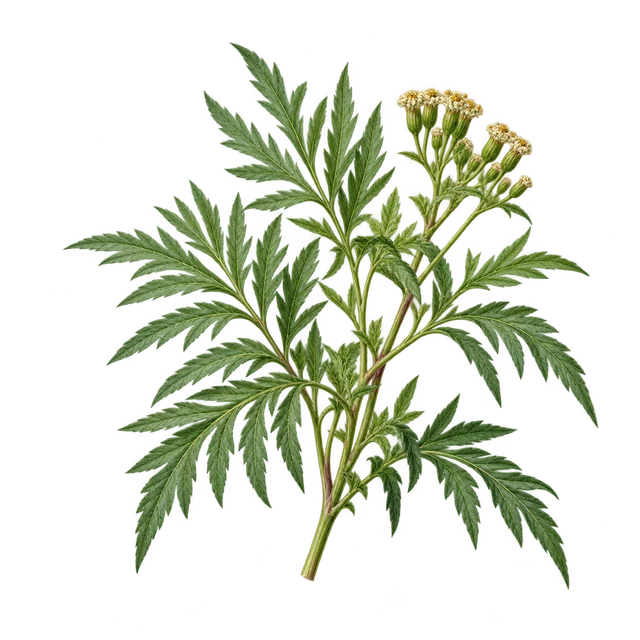
Tagetes minuta; food-grade leaves of huacatay, Tagetes minuta; ornamental marigolds and distilled Tagetes oils are different materials.
Ingredient details, preparation and research
Also known as: Tagetes minuta
Source plant or material
Tagetes minuta
Plant family / material: Asteraceae
Forms and route
Fresh or dried culinary leaves and labeled pastes; mixed pastes may contain chile, oil and salt.
Vitamins and minerals
Small flavoring quantities contribute little food bulk. No serving-specific vitamin or mineral figure is assigned to fresh leaves, dried herb or mixed paste.
Absorption and preparation
A laboratory analysis of leaf structures does not measure absorption from a meal or establish a useful supplement dose.
Practical preparation
Buy a correctly identified culinary product. Rinse fresh leaves before chopping and refrigerate prepared sauces according to their ingredients.
Traditional and reported uses
- Aromatic cooking herb
- Flavoring processed foods
Contraindications and cautions
- Do not substitute ornamental Tagetes plants, concentrated oils or plants identified only from this description.
- Avoid the product if it causes mouth irritation or an allergic reaction; family membership does not establish individual tolerance.
Identity and aroma
INIA maintains identified T. minuta germplasm. Microscopy research documents the leaf structures producing and storing compounds; it cannot demonstrate clinical benefits from an ordinary serving.
Evidence limits
This is a food-form review, not a treatment recommendation. Composition and laboratory findings apply to the material actually studied; no medicinal dose, universal nutrient ranking or preservation guarantee is inferred.
Entry sources
- INIA: Banco de germoplasma de plantas medicinales
- FAO: Cultivos, hierbas aromáticas y alimentación andina
- Foliar structures and histochemistry of Tagetes minuta
- IMARPE: Huacatay as a flavoring liquid in canned fish
Reference entry 424 · Recorded content review: 2026-10-09 · Review scope and dates