


Key cautions
- Soybean tempeh contains soy, and mixed products may contain wheat or other allergens. Fermentation does not reliably remove them.
- A CDC investigation linked unpasteurized tempeh to Salmonella. Follow cooking and storage directions and avoid cross-contamination from uncooked product.
What’s inside
Soy protein, fat and fiber, with fermentation-related changes in the bean matrix. Added grains, marinades and frying oil change the finished food.
Uses in brief

- Cooked bean-cake ingredient
- Fried tempe accompaniment
History, folklore and reported uses
History, folklore and traditional uses
Indonesian material submitted to UNESCO documents community tempe-making using selected fermentation cultures. Official tourism accounts place fried tempe alongside rice and vegetables in Javanese meals; nomination material is not a claim of completed UNESCO inscription.
Traditional, historical and reported uses
- Cooked bean-cake ingredient
Food or household practiceWhy this label?
The cited source documents this material, preparation or cultural practice; it does not establish treatment efficacy.
Finished tempeh is cut and cooked as a substantial part of a meal. The actual bean or grain mixture matters for both flavour and allergens.
- Fried tempe accompaniment
Food or household practiceWhy this label?
The cited source documents this material, preparation or cultural practice; it does not establish treatment efficacy.
Indonesia’s tourism accounts document fried tempe in regional rice meals. Frying supplies additional oil; the meal’s nutrient balance cannot be inferred from fermentation alone.
2 supported featured food or cultural uses; no treatment claim.
Historical-use additions reviewed 2026-10-09
Regional reading paths
These sourced notes describe cultivation, trade, food traditions or material history. A regional connection does not claim exclusive origin.
Asia
Traditional processing: Indonesia; community tempe-making knowledge.
Cooked fermented bean cake used as a substantial food.
Identity & detailed reference
Identity
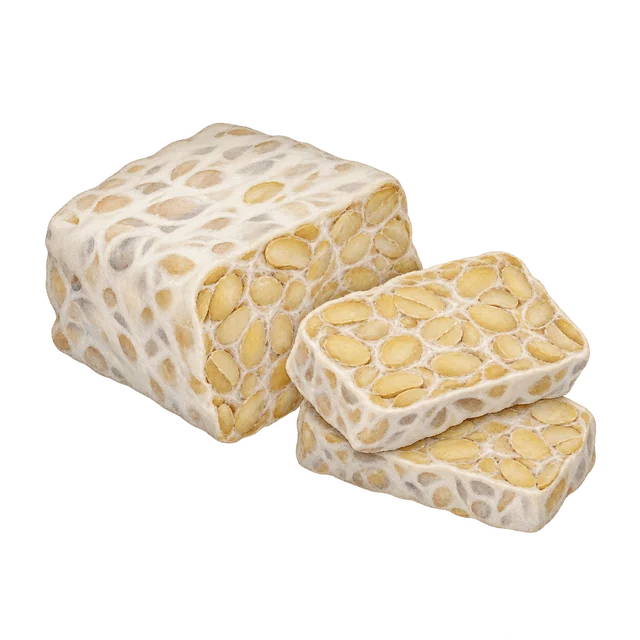
A fermented bean cake, here centred on Glycine max soybeans bound by Rhizopus fungal growth. Other bean or grain tempe products must be identified separately; tempeh is neither plain tofu nor a mushroom.
Ingredient details, preparation and research
Also known as: Tempe; Soybean tempeh; Rhizopus-fermented bean cake
Source plant or material
Glycine max; Rhizopus species fermentation
Plant family / material: Fabaceae for soybean tempeh
Forms and route
Commercial fresh, chilled or frozen cakes, pasteurized products and pre-cooked seasoned foods. Raw/unpasteurized and ready-to-eat forms require different handling.
Vitamins and minerals
The bean cake can contribute protein and fiber, but amounts vary by recipe. Do not rely on unfortified tempeh as a guaranteed vitamin B12 source or equate fried pieces with plain cake.
Absorption and preparation
Fermentation changes the substrate and digestibility, but this card makes no quantitative claim about mineral absorption or a universal probiotic effect.
Practical preparation
Use a reliable commercially produced food cake, keep it cold as directed and cook unless explicitly supplied as ready to eat. Use separate clean utensils for uncooked and prepared food. No home starter or incubation instructions are provided.
Combination notes
Include with vegetables and staple foods as desired; evaluate added sauces, oil and grain ingredients separately.
Traditional and reported uses
- Cooked bean-cake ingredient
- Fried tempe accompaniment
Contraindications and cautions
- Soybean tempeh contains soy, and mixed products may contain wheat or other allergens. Fermentation does not reliably remove them.
- A CDC investigation linked unpasteurized tempeh to Salmonella. Follow cooking and storage directions and avoid cross-contamination from uncooked product.
Controlled culture is not a safety guarantee
The CDC outbreak traced contamination involving unpasteurized tempeh and starter culture. This is evidence for food-handling safeguards, not a claim that properly prepared tempeh is inherently unsafe.
Evidence limits
Finished cooked-food profile; health claims in promotional sources are not adopted and no DIY fermentation method is validated.
Entry sources
- UNESCO, Indonesian nomination materials: Culture of tempe
- Indonesia Ministry of Health: Tempe, traditional fermented soy food
- Indonesia Tourism: Java culinary traditions including fried tempe
- CDC: Gastroenteritis outbreak associated with unpasteurized tempeh
- FDA: Food allergies
Reference entry 364 · Recorded content review: 2026-10-09 · Review scope and dates