


Key cautions
- Contains soy; barley or other grain ingredients may introduce gluten. Fermentation does not guarantee removal of food allergens.
- Miso can contribute considerable sodium. Reduced-salt labels are comparative, not a promise of sodium-free seasoning.
What’s inside
Soy-derived protein and fermentation products including amino acids, together with salt and variable carbohydrate. Grain type and processing determine the product’s exact composition.
Uses in brief

- Miso soup seasoning
- Dressings and sauces
History, folklore and reported uses
History, folklore and traditional uses
MAFF records rice-, barley- and soybean-based traditions in Japan. These represent different processing choices, not a ranking in which the darkest or longest-aged paste is automatically healthiest.
Traditional, historical and reported uses
- Miso soup seasoning
Food or household practiceWhy this label?
The cited source documents this material, preparation or cultural practice; it does not establish treatment efficacy.
Miso is dispersed into prepared soup to provide flavour. Traditional stock may contain fish; choose a plant-based stock and check instant products when the whole dish must be plant-only.
- Dressings and sauces
Food or household practiceWhy this label?
The cited source documents this material, preparation or cultural practice; it does not establish treatment efficacy.
Miso can form part of a dressing with other ingredients. The dressing’s salt, sugar and oil depend on the recipe, so it should not be described nutritionally as plain fermented beans.
2 supported featured food or cultural uses; no treatment claim.
Historical-use additions reviewed 2026-10-09
Regional reading paths
These sourced notes describe cultivation, trade, food traditions or material history. A regional connection does not claim exclusive origin.
Asia
Traditional processing: Japan, with regional rice-, barley- and soybean-koji traditions.
Fermented soybean seasoning paste for soups and sauces.
Identity & detailed reference
Identity
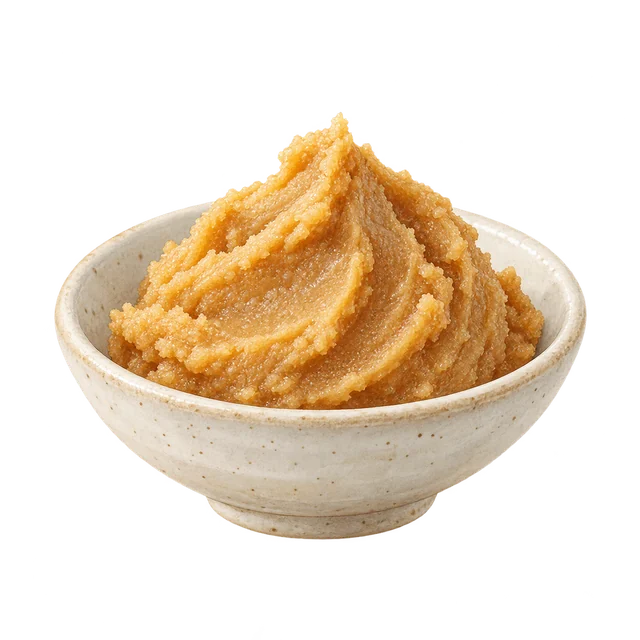
A fermented soybean seasoning paste, commonly made with rice, barley or soybean koji and salt. Miso is a finished processed food, not a botanical species, raw soybean or plain tofu.
Ingredient details, preparation and research
Also known as: Rice miso; Barley miso; Soybean miso; Japanese fermented soybean paste
Source plant or material
Glycine max; rice or barley koji depending on type
Plant family / material: Fabaceae (soybean); Poaceae when rice or barley is included
Forms and route
Commercial rice, barley, soybean or blended miso; lighter and darker styles vary in sweetness, salt and maturation. Instant soup packets and seasoned pastes contain additional ingredients.
Vitamins and minerals
No single protein, sodium or vitamin figure is assigned to all miso. A small seasoning portion differs from a serving of tofu or whole beans, and instant soup adds further ingredients.
Absorption and preparation
Fermentation changes proteins and flavour compounds. It does not establish a guaranteed increase in mineral absorption or a standardized probiotic dose.
Practical preparation
Use commercially prepared paste according to storage directions, often refrigerated after opening, and keep utensils clean. This card gives no home-fermentation starter, salt ratio, incubation time or shelf-stability rule.
Combination notes
Balance miso with other salty ingredients; broth, seaweed and vegetables have their own nutritional and safety considerations.
Traditional and reported uses
- Miso soup seasoning
- Dressings and sauces
Contraindications and cautions
- Contains soy; barley or other grain ingredients may introduce gluten. Fermentation does not guarantee removal of food allergens.
- Miso can contribute considerable sodium. Reduced-salt labels are comparative, not a promise of sodium-free seasoning.
Fermented does not mean one uniform product
MAFF distinguishes miso by substrate and regional processing. Heat treatment, live cultures and nutrient composition differ among products; food-history evidence alone cannot establish clinical benefits from a bowl of soup.
Evidence limits
Finished food seasoning only; no disease-treatment claim or unvalidated fermentation recipe.
Entry sources
- Japan MAFF: Soy sauce, miso and other seasonings
- Namiko Hirasawa Chen: Homemade miso soup
- Namiko Hirasawa Chen: Miso dressing
- FDA: Food allergies
Reference entry 362 · Recorded content review: 2026-10-09 · Review scope and dates