


Key cautions
- Do not apply undiluted peppermint oil or homemade substitutes to nipples.
- LactMed advises removing topical peppermint from nipples before the next feed to avoid direct infant exposure.
What’s inside
The studies concern volatile peppermint oil in water or a gel vehicle. Vehicle ingredients and concentration affect exposure; the plant name alone cannot establish product equivalence.
Uses in brief

- Peppermint-water research (human research).
- Peppermint-gel research (human research).
History, folklore and reported uses
History, folklore and traditional uses
The water-trial authors describe a nipple-care tradition in northwestern Iran. Their study supplied a controlled preparation and excluded participants’ household peppermint water, preserving an important difference between tradition and trial material.
Traditional, historical and reported uses
- Peppermint-water research
Human researchWhy this label?
The source is retained with its design and preparation limits; reported use is not upgraded to clinical effectiveness.
An unblinded randomized trial of 196 first-time mothers reported fewer nipple and areola cracks than expressed breast milk. Its water contained aerial-part distilled oil, not a leaf infusion.
- Peppermint-gel research
Human researchWhy this label?
The source is retained with its design and preparation limits; reported use is not upgraded to clinical effectiveness.
A separate three-arm trial enrolled 216 first-time mothers and reported fewer cracks with a formulated oil gel than with modified lanolin or placebo. It does not establish equivalence to the water formulation.
Includes only uses and context documented for this material. Historical reporting is not proof of benefit; no use-count quota is applied.
Women’s Health: traditions, evidence and cautions
Historical use does not establish benefit or safety. Pregnancy, breastfeeding and fertility care require particular caution: food, tea, essential oil and concentrated extract are not interchangeable. These records are not treatment, dosing or pregnancy-management instructions. Discuss supplements with a qualified clinician or pharmacist; do not delay evaluation of persistent symptoms.
Peppermint topical formulations — research comparison
Mentha × piperita L.
- Plant part / material
- Aerial-part essential oil incorporated into distinct topical research formulations
- Preparation studied or reported
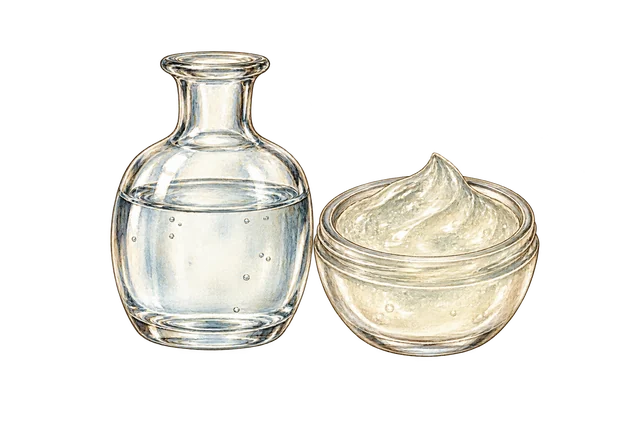
- Qualified comparison of trial peppermint water and peppermint-oil gel. The water used oil from authenticated aerial parts; the gel used 0.2% v/w oil in a manufactured base. These are separate formulations, not one interchangeable product.
This study overview concerns topical formulations of Mentha × piperita oil. It is not peppermint leaf tea, neat essential oil, an oral capsule, a home recipe or any product with a mint fragrance.
The water-trial authors describe a nipple-care tradition in northwestern Iran. Their study supplied a controlled preparation and excluded participants’ household peppermint water, preserving an important difference between tradition and trial material.
Peppermint-water research
Human research
Reported or traditional useAn unblinded randomized trial of 196 first-time mothers reported fewer nipple and areola cracks than expressed breast milk. Its water contained aerial-part distilled oil, not a leaf infusion.
What the evidence supportsThe water study tested prevention in a selected early-postpartum population and had no blinding. The gel study examined another product; the indexed appendix identifies oil, Carbopol 934, glycerine, paraben preservatives and triethanolamine, but this review did not resolve which viscosity formula was selected. Water’s final oil concentration was not numerically stated in its supplement. Neither trial establishes treatment of mastitis, safe infant ingestion, pregnancy use or benefit from neat oil. LactMed describes mixed findings across topical studies; evidence should complement assessment of latch and the cause of pain.
Do not apply undiluted peppermint oil or homemade substitutes to nipples. LactMed advises removing topical peppermint from nipples before the next feed to avoid direct infant exposure. Keep peppermint oil away from an infant’s face and breathing zone. Persistent pain, damaged skin, fever or a red painful breast needs feeding and medical assessment; peppermint is not an infection treatment.
Peppermint-gel research
Human research
Reported or traditional useA separate three-arm trial enrolled 216 first-time mothers and reported fewer cracks with a formulated oil gel than with modified lanolin or placebo. It does not establish equivalence to the water formulation.
What the evidence supportsThe water study tested prevention in a selected early-postpartum population and had no blinding. The gel study examined another product; the indexed appendix identifies oil, Carbopol 934, glycerine, paraben preservatives and triethanolamine, but this review did not resolve which viscosity formula was selected. Water’s final oil concentration was not numerically stated in its supplement. Neither trial establishes treatment of mastitis, safe infant ingestion, pregnancy use or benefit from neat oil. LactMed describes mixed findings across topical studies; evidence should complement assessment of latch and the cause of pain.
Do not apply undiluted peppermint oil or homemade substitutes to nipples. LactMed advises removing topical peppermint from nipples before the next feed to avoid direct infant exposure. Keep peppermint oil away from an infant’s face and breathing zone. Persistent pain, damaged skin, fever or a red painful breast needs feeding and medical assessment; peppermint is not an infection treatment.
One clearly labelled study-formulation comparison. Do not attach reproductive claims to existing leaf or essential-oil cards.
- Do not apply undiluted peppermint oil or homemade substitutes to nipples.
- LactMed advises removing topical peppermint from nipples before the next feed to avoid direct infant exposure.
- Keep peppermint oil away from an infant’s face and breathing zone.
- Persistent pain, damaged skin, fever or a red painful breast needs feeding and medical assessment; peppermint is not an infection treatment.
- Sayyah Melli et al. 2007: Peppermint water randomized trial
- Peppermint water trial: original formulation supplement
- Sayyah Melli et al. 2007: Peppermint gel randomized trial
- Peppermint gel trial: original article appendix, reproduced PDF
- NIH LactMed: Peppermint
Read the complete historical reference and its material distinctions
Identity & detailed reference
Identity
This study overview concerns topical formulations of Mentha × piperita oil. It is not peppermint leaf tea, neat essential oil, an oral capsule, a home recipe or any product with a mint fragrance.
Ingredient details, preparation and research
Also known as: peppermint water research; peppermint oil gel research
Source plant or material
Mentha × piperita L.; Aerial-part essential oil incorporated into distinct topical research formulations
Plant family / material: Lamiaceae
Forms and route
Qualified comparison of trial peppermint water and peppermint-oil gel. The water used oil from authenticated aerial parts; the gel used 0.2% v/w oil in a manufactured base. These are separate formulations, not one interchangeable product.
Absorption and preparation
No absorption-enhancement directions are established for this material. An extract, food, infusion and isolated chemical can deliver different substances; study results do not establish a home preparation.
Traditional and reported uses
- Peppermint-water research: An unblinded randomized trial of 196 first-time mothers reported fewer nipple and areola cracks than expressed breast milk. Its water contained aerial-part distilled oil, not a leaf infusion.
- Peppermint-gel research: A separate three-arm trial enrolled 216 first-time mothers and reported fewer cracks with a formulated oil gel than with modified lanolin or placebo. It does not establish equivalence to the water formulation.
Contraindications and cautions
- Do not apply undiluted peppermint oil or homemade substitutes to nipples.
- LactMed advises removing topical peppermint from nipples before the next feed to avoid direct infant exposure.
- Keep peppermint oil away from an infant’s face and breathing zone.
- Persistent pain, damaged skin, fever or a red painful breast needs feeding and medical assessment; peppermint is not an infection treatment.
Identity and exact material
This study overview concerns topical formulations of Mentha × piperita oil. It is not peppermint leaf tea, neat essential oil, an oral capsule, a home recipe or any product with a mint fragrance. Qualified comparison of trial peppermint water and peppermint-oil gel. The water used oil from authenticated aerial parts; the gel used 0.2% v/w oil in a manufactured base. These are separate formulations, not one interchangeable product.
Evidence and preparation boundaries
The water study tested prevention in a selected early-postpartum population and had no blinding. The gel study examined another product; the indexed appendix identifies oil, Carbopol 934, glycerine, paraben preservatives and triethanolamine, but this review did not resolve which viscosity formula was selected. Water’s final oil concentration was not numerically stated in its supplement. Neither trial establishes treatment of mastitis, safe infant ingestion, pregnancy use or benefit from neat oil. LactMed describes mixed findings across topical studies; evidence should complement assessment of latch and the cause of pain.
Safety and uncertainty
Do not apply undiluted peppermint oil or homemade substitutes to nipples. LactMed advises removing topical peppermint from nipples before the next feed to avoid direct infant exposure. Keep peppermint oil away from an infant’s face and breathing zone. Persistent pain, damaged skin, fever or a red painful breast needs feeding and medical assessment; peppermint is not an infection treatment.
Evidence limits
- The gel appendix was verified through indexed text of a reproduced original paper; the direct mirror file was unavailable. The exact selected gel viscosity formula remains unresolved.
- The water supplement defines an oil-saturated aqueous product without a numeric final oil concentration. This is insufficient for a home formula.
Entry sources
- Sayyah Melli et al. 2007: Peppermint water randomized trial
- Peppermint water trial: original formulation supplement
- Sayyah Melli et al. 2007: Peppermint gel randomized trial
- Peppermint gel trial: original article appendix, reproduced PDF
- NIH LactMed: Peppermint
Reference entry 570 · Recorded content review: 2026-10-11 · Review scope and dates