


Key cautions
- Do not eat apricot kernels as a health remedy: cyanogenic compounds can release cyanide. The kernel warning is distinct from eating the fruit flesh.
- Check dried-fruit labels for sulfites if sensitive, and remove any remaining stone fragments.
What’s inside
Fruit carbohydrates, fiber and carotenoid pigments, with vitamins and minerals affected by variety and processing. Drying concentrates the fruit’s solids by removing water.
Uses in brief

- Fresh and cooked fruit
- Dried apricot tradition
- Freezing and preserves
History, folklore and reported uses
History, folklore and traditional uses
FAO identifies apricot production and drying as important livelihoods in Tajikistan. The fruit also has a wider temperate-world history; this regional connection does not imply that all apricots share one cultivar or drying method.
A closer look at its history
Apricot kernels in the laetrile movement
The National Cancer Institute traces amygdalin's isolation to 1830 and its use as a claimed cancer treatment in Russia to 1845. Laetrile became especially popular in the United States in the 1970s, sometimes promoted as “vitamin B17,” although it is not a recognized vitamin. Some products called laetrile were made from crushed apricot kernels; patented U.S. Laetrile and amygdalin are chemically different. This is the history of a disputed treatment movement, not evidence that kernels treat cancer. Human studies did not establish benefit, and these products can cause cyanide poisoning. These kernel products are separate from edible apricot flesh. Do not use kernels or these products in place of cancer care.
Additional history reviewed 2026-10-11
Traditional, historical and reported uses
- Fresh and cooked fruit
Food or household practiceWhy this label?
The cited source documents this material, preparation or cultural practice; it does not establish treatment efficacy.
Ripe flesh is eaten fresh or incorporated into cooked fruit dishes. Remove the stone completely, and use sound fruit rather than attempting to salvage extensively moldy material.
- Dried apricot tradition
Food or household practiceWhy this label?
The cited source documents this material, preparation or cultural practice; it does not establish treatment efficacy.
Tajikistan’s apricot sector includes dried fruit production. A small weight of dried fruit represents more original fruit than the same weight fresh, so portions and labels matter.
- Freezing and preserves
Food or household practiceWhy this label?
The cited source documents this material, preparation or cultural practice; it does not establish treatment efficacy.
Extension guidance documents freezing and preserving apricots. Home canning requires the complete tested method, not an improvised hot-fill or the assumption that fruit acidity alone guarantees safety.
3 supported featured food or cultural uses; no treatment claim.
Historical-use additions reviewed 2026-10-09
Regional reading paths
These sourced notes describe cultivation, trade, food traditions or material history. A regional connection does not claim exclusive origin.
Asia
Cultivated/traditional processing: Tajikistan and neighbouring Central Asian countries.
Fresh and dried fruit; kernels are not part of this food selection.
Identity & detailed reference
Identity
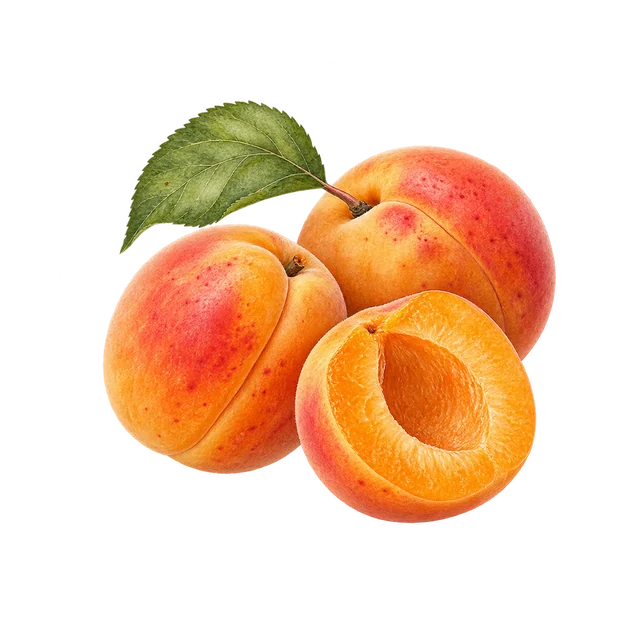
Prunus armeniaca edible fruit flesh and skin. The hard stone and its kernel are separate materials; apricot fruit is not amygdalin, laetrile or a kernel supplement.
Ingredient details, preparation and research
Also known as: Prunus armeniaca; Dried apricot; Apricot fruit
Source plant or material
Prunus armeniaca
Plant family / material: Rosaceae
Forms and route
Fresh ripe fruit, pitted dried apricots, frozen pieces, cooked compotes and properly processed preserves. Sulfited and unsulfited dried products differ in colour and labelling.
Vitamins and minerals
No single nutrient serving is assigned across fresh, dried and syrup-packed forms. Dried fruit concentrates sugars and other solids; syrup or added sugar further changes composition.
Absorption and preparation
Fruit carotenoids do not make apricots equivalent to a vitamin supplement. No required absorption-enhancing combination is established here.
Practical preparation
Wash fresh fruit, remove the stone and refrigerate cut or cooked portions. For freezing or canning, follow current tested preservation guidance appropriate to the product and equipment.
Combination notes
Use fresh or dried fruit in meals according to preference; distinguish naturally dried fruit from sweetened products.
Traditional and reported uses
- Fresh and cooked fruit
- Dried apricot tradition
- Freezing and preserves
Contraindications and cautions
- Do not eat apricot kernels as a health remedy: cyanogenic compounds can release cyanide. The kernel warning is distinct from eating the fruit flesh.
- Check dried-fruit labels for sulfites if sensitive, and remove any remaining stone fragments.
The kernel is not the fruit
EFSA’s cyanide assessment concerns apricot kernels. It does not support kernel-based cancer claims, and it should not be misread as a warning that the ordinary edible fruit flesh contains the same exposure.
Evidence limits
Fruit-only food profile; no kernel use, disease treatment or unvalidated preservation recipe.
Entry sources
- FAO OCOP: Tajikistan apricot
- Utah State University Extension: Preserving apricots
- EFSA: Apricot kernels and cyanide poisoning
Reference entry 356 · Recorded content review: 2026-10-09 · Review scope and dates