


Key cautions
- People avoiding alcohol should use a product whose alcohol status is verified; cooking does not automatically remove it all.
- Discard spoiled or improperly stored products
What’s inside
Fermentation-derived acids and potentially ethanol, residual carbohydrates and a variable microbial community.
Uses in brief

- Fermented maize drink
- Arequipa cooking ingredient
History, folklore and reported uses
History, folklore and traditional uses
This card focuses on the Peruvian jora preparation and an Arequipa dish. Other regions use chicha for different substrates and traditions, so the broad name must not erase local distinctions.
Traditional, historical and reported uses
- Fermented maize drink
Food or household practiceWhy this label?
Source documents this specific material, culinary use or attributed practice; no clinical efficacy is inferred.
Primary microbial studies examine Peruvian chicha de jora as a maize-based beverage. They document fermentation communities rather than a single fixed recipe or alcohol level.
- Arequipa cooking ingredient
Food or household practiceWhy this label?
Source documents this specific material, culinary use or attributed practice; no clinical efficacy is inferred.
PROMPERÚ records chicha de jora in adobo dominical. This is a distinct cooking role within an identified regional dish, not proof that the finished food is alcohol-free.
2 bounded uses; regional records do not establish treatment effects.
Historical-use additions reviewed 2026-10-09
Regional reading paths
These sourced notes describe cultivation, trade, food traditions or material history. A regional connection does not claim exclusive origin.
South America
traditional processing; Peru, including Arequipa
Fermented maize beverage and cooking ingredient; may contain alcohol.
Identity & detailed reference
Identity
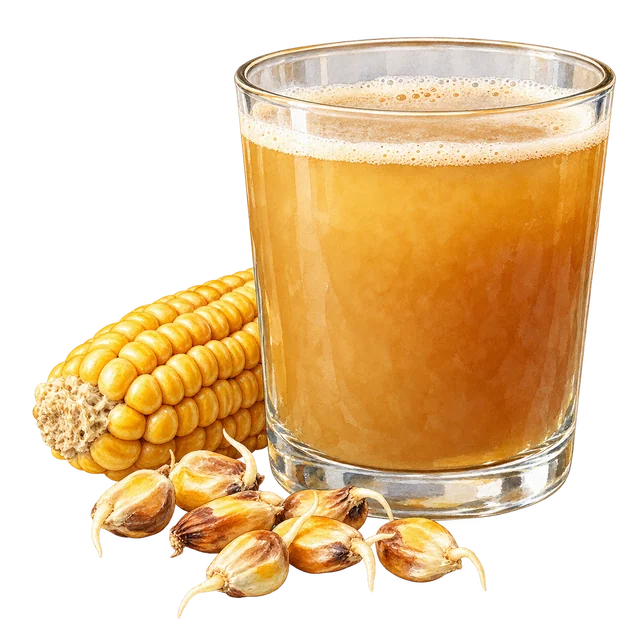
Zea mays; fermented maize preparation; chicha de jora, a fermented preparation based on germinated maize; distinct from non-fermented chicha morada and other beverages called chicha.
Ingredient details, preparation and research
Also known as: Zea mays; fermented maize preparation
Source plant or material
Zea mays; fermented maize preparation
Plant family / material: Poaceae (maize substrate)
Forms and route
Prepared fermented maize beverage and commercially supplied cooking ingredient; alcohol and acidity vary with the actual product.
Vitamins and minerals
Neither sugar nor alcohol content can be inferred from appearance or the name alone. No standardized nutrient serving or probiotic benefit is assigned.
Absorption and preparation
The presence of lactic-acid bacteria does not establish a probiotic effect or survival in the person consuming the drink. Fermentation changes the substrate but does not guarantee safety.
Practical preparation
Purchase a hygienically produced product from a reliable supplier and follow its storage directions. This card provides no spontaneous-fermentation recipe or alcohol-removal guarantee.
Traditional and reported uses
- Fermented maize drink
- Arequipa cooking ingredient
Contraindications and cautions
- People avoiding alcohol should use a product whose alcohol status is verified; cooking does not automatically remove it all.
- Discard spoiled or improperly stored products. Sourness and a traditional name do not prove pathogen control.
Microbes vary by process
Researchers identified bacteria and yeasts in sampled chichas. The results do not standardize every household brew or justify medical claims about digestion, immunity or nutrition.
Evidence limits
This is a food-form review, not a treatment recommendation. Composition and laboratory findings apply to the material actually studied; no medicinal dose, universal nutrient ranking or preservation guarantee is inferred.
Entry sources
- PROMPERÚ: Cuisine of Arequipa
- Microbial populations of Peruvian chicha
- Yeasts responsible for fermentation of Peruvian chicha
Reference entry 469 · Recorded content review: 2026-10-09 · Review scope and dates