Hops
Herbs
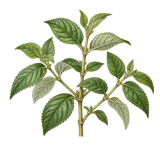
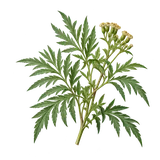
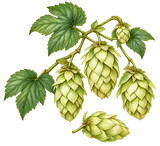
The papery female hop cones used in brewing also have a European sleep-and-stress tradition. Menopause research concerns particular extracts and is still preliminary.
Read entry615 INGREDIENT ENTRIES
Browse A–Z or by category.
Suggest an ingredient to research
Search names, alternate names, identity, indexed growing and reference notes. Exact names and alternate names appear before deeper reference mentions. Health-topic searches are handled separately. Browse the symptom and everyday-topic directory for source-linked meanings and care context. Ingredient references for health topics remain limited to the separately reviewed headache index. This search does not diagnose. Whole words matches “tea”, not “steam”; it still searches the full indexed text. Multiple words narrow ordinary name searches. Browse Health Topics or Men’s Health for sourced research, including no-benefit and safety findings.
Explore copper food sources by form and portion
Nutrient labels point to selected form-specific references, not a richness ranking. An absent label does not mean the food lacks that nutrient. A traditional or research use is not a blanket recommendation.
Food and flavoring: An explicitly recorded food or flavoring use. Check the named edible form, preparation and cautions; this tag is not a blanket edibility recommendation.
Food nutrient references: A named food preparation has serving-specific nutrient data. Small amounts still appear; this is not a high-source claim. The Copper reference index is excluded.
Household and craft: An explicitly recorded material, fragrance, ceremonial, gardening, household or craft application; historical uses may be unsafe to reproduce.
Traditional practices: An attributed traditional or historical practice, not a claim of proven treatment benefit.
Skin and cosmetic: A recorded external skin, hair, mouth-care or cosmetic application; follow the exact form and cautions. This does not imply efficacy or safe DIY use.
Mosquito-repellent research: Preparation-specific mosquito-repellent research or regulated-product context. Growing plants, teas, raw leaves and arbitrary oil mixtures do not inherit results.
Bible connections: A sourced biblical passage or related-name/source-plant connection. Retain the card’s identity uncertainty; this does not prove a modern species identification.
Botanical illustrations are decorative studies, not foraging guides. The dove marks a biblical reference; each card explains its connection and any uncertainty in identification. Original-language notes accompany the KJV quotations.
Read the KJV's own words alongside the plant or material identified today. Each card in this KJV collection shows one or two complete scripture quotations and explains whether the connection is direct, a different preparation of the source plant, a probable identification, or an uncertain related name.
Olive oil is explicitly named. Esther 2:12 refers to oil of myrrh, John 12:3 to ointment of spikenard, and Exodus 30 to a compound anointing oil. These are ancient oils, perfumes and ointments; the passages do not specify modern steam-distilled essential oils.
No vitamins are named as vitamins in the KJV. The nutrient content of biblical foods belongs to modern nutrition and is described separately in the relevant food cards.
Scripture references may concern food, fragrance, worship, trade, poetry or a historical narrative. The context and the exact plant part matter. The cards preserve that context alongside the existing preparation and safety information.
This collection covers herbs, spices, aromatic materials, oils, biblical foods and nuts, with qualified connections to existing cards. It uses the 66-book KJV text.
The History, folklore and traditional uses section follows each ingredient’s story. It covers where ingredients come from, where they grow, their role in different cultures, and recorded home uses. We distinguish folklore, recorded practices, personal reports and research findings, and identify their sources.
Traditional and historical labels describe recorded uses. Reported or anecdotal uses describe claims or personal experiences. They do not promise results. Nutritional roles explain how nutrients help the body work normally. Taking extra supplements does not always help.
Known constituents means chemical compounds found in an ingredient. Not every product will contain them or have an active amount. The amount and how much your body takes in can vary by species, plant part and preparation. Similar items share a named feature. You cannot always use one in place of another.
Vitamins and minerals notes apply to the named edible form and serving size. Estimated nutrient amounts vary with growing conditions and preparation. They do not describe every product or promise how much your body will take in. Daily Value percentages are general guides used on labels, not personal targets. When a recipe uses a little seasoning, each person gets only part of that amount. Essential oils and products used on skin are not food sources of vitamins or minerals.
Check the species, plant part, preparation and how it is meant to be used. A tea, tincture, concentrated extract and essential oil cannot simply replace one another. These notes are general information for adults. They do not tell you what dose to take by mouth or give you a personal treatment plan. Each preparation example explains its purpose, how it is used and its limits. We label home versions of preparations. Evidence applies to the preparation and use studied; findings for one form do not establish the effects of another. Read the cautions along with the uses. Ask a qualified professional about medicines, pregnancy, health conditions and planned surgery.
Keep concentrated products away from children and pets. Do not swallow bottled essential oils or use them undiluted on skin. For a possible poisoning in the United States, call Poison Control at 1-800-222-1222; get emergency care for severe trouble breathing, seizures or collapse.
No matching ingredients. Try another spelling or clear the filters.
Swipe or scroll for more categories
Herbs
The papery female hop cones used in brewing also have a European sleep-and-stress tradition. Menopause research concerns particular extracts and is still preliminary.
Read entryFoods
A sharply peppery leaf used in modern Māori cooking to flavor prepared foods; its pungency can irritate, and seasoning is distinct from medicinal extracts.
Read entryFoods
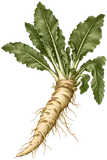
Horseradish is a pungent root grated into condiments, sandwich spreads and cocktail sauce; its sharp fumes can irritate eyes and airways.
Read entryHerbs and tinctures
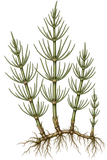
Field horsetail's green shoots have traditional urinary and superficial-wound uses; correct species identification matters, and urinary use is unsuitable when fluids are restricted.
Read entryReference materials
Kamunye leaves appear in Ugandan accounts of contractions and postpartum bleeding. This safety reference preserves the history without recommending pregnancy-related use.
Read entryFoods
A strongly aromatic Andean seasoning herb used in Peru and Bolivia.
Read entryMushrooms
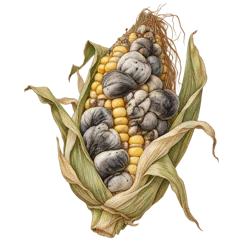
Young, food-grade fungal growths on maize, prized in Mexican quesadillas and soups and also used in pasta and contemporary restaurant dishes.
Read entrySkin care ingredients
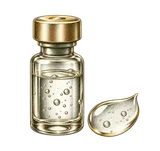
Hyaluronic acid binds water in skin-care formulas and helps hydrate skin; cosmetic serums, oral supplements and medical injections are distinct products.
Read entryBiblical materials
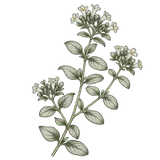
Biblical hyssop appears in Passover and purification rituals; Syrian oregano is a leading candidate, but the ancient plant's exact identity remains uncertain.
Read entryHerbs
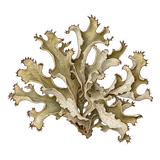
Iceland moss has traditional use for irritated mouth or throat and related dry cough.
Read entryFoods
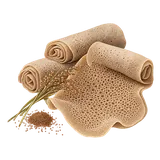
A spongy, tangy Ethiopian and Eritrean flatbread served with meals, made from fermented cereal batter that may include teff, wheat or other grains.
Read entryOther supplements
Inositol is a compound the body makes for cell signaling; supplements have been studied for polycystic ovary syndrome, with limited and uncertain benefits.
Read entryMinerals
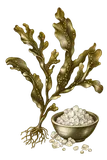
Iodine is a mineral needed to make thyroid hormones; seaweed amounts vary widely, and too much can disturb thyroid function.
Read entryMinerals
Iron replacement can address documented deficiency. Hair loss alone does not establish a need for iron, and excess supplements can be harmful.
Read entryFoods
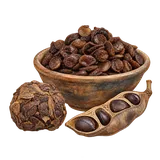
A savory fermented seed condiment from West Africa, used to deepen the flavor of soups, stews and rice dishes.
Read entryHerbs
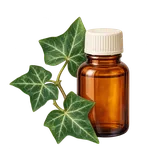
Defined ivy-leaf medicines can help bring up mucus during a chesty cough.
Read entryFoods
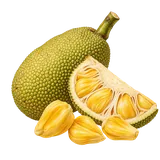
One source plant yields a sweet ripe fruit, a savoury young vegetable and edible cooked seeds.
Read entryFoods
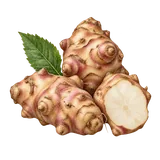
Knobby sunflower tubers eaten raw for crunch or cooked as a vegetable; their fermentable carbohydrates can cause gas and discomfort.
Read entryFoods
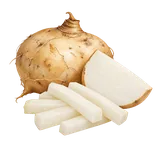
A crisp, mildly sweet Mexican root used peeled in snacks and salads; jicama seeds, pods and other plant parts are poisonous.
Read entryFixed oils
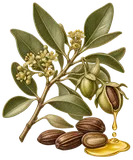
Jojoba is a liquid seed wax used to soften skin, condition hair and carry cosmetic ingredients. It is for external use.
Read entryBiblical materials
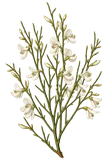
The KJV's juniper shelters Elijah and appears in fuel imagery; white broom is the usual candidate, whose roots must not be eaten.
Read entryFoods
A leafy vegetable whose silky texture thickens soups and sauces across North and tropical Africa, including food traditions in Egypt and Nigeria.
Read entryFoods
A northern Australian native fruit containing vitamin C, used as fresh or frozen pulp and dried ingredients in prepared foods.
Read entryMushrooms
A rain-dependent southern African food fungus with San and Khoekhoe food histories and a seasonal roadside trade.
Read entry