


Key cautions
- Contains wheat/gluten unless an independently validated recipe and label say otherwise.
- Do not taste raw dough; discard spoiled starter or bread rather than trying to rescue it.
What’s inside
Flour starch and proteins, potato-derived solids and fermentation products shape the bread. Baking means the finished loaf is not automatically a live-culture food.
Uses in brief

- Starter-leavened bread
- Meal accompaniment or snack
History, folklore and reported uses
History, folklore and traditional uses
Whiti Hereaka’s Te Ara account identifies her Ngāti Tūwharetoa and Te Arawa connections and documents her own preparation. Attribution respects a living practice without making that version the sole Māori method.
Traditional, historical and reported uses
- Starter-leavened bread
Food or household practiceWhy this label?
Sources document this named food or material use; no therapeutic outcome is claimed.
The documented method uses a potato-derived bug in place of conventional baker’s yeast. The result is a baked wheat bread with a distinct fermentation history.
- Meal accompaniment or snack
Food or household practiceWhy this label?
Sources document this named food or material use; no therapeutic outcome is claimed.
New Zealand’s public food resource describes rēwena with meals, soups or stews and as a snack. Toppings add their own ingredients and nutritional effects.
2 narrowly supported uses; no clinical efficacy or universal preparation is inferred.
Historical-use additions reviewed 2026-10-09
Regional reading paths
These sourced notes describe cultivation, trade, food traditions or material history. A regional connection does not claim exclusive origin.
Australia & Oceania
traditional processing; Māori communities, New Zealand
Leavened bread with potato-derived starter.
Identity & detailed reference
Identity
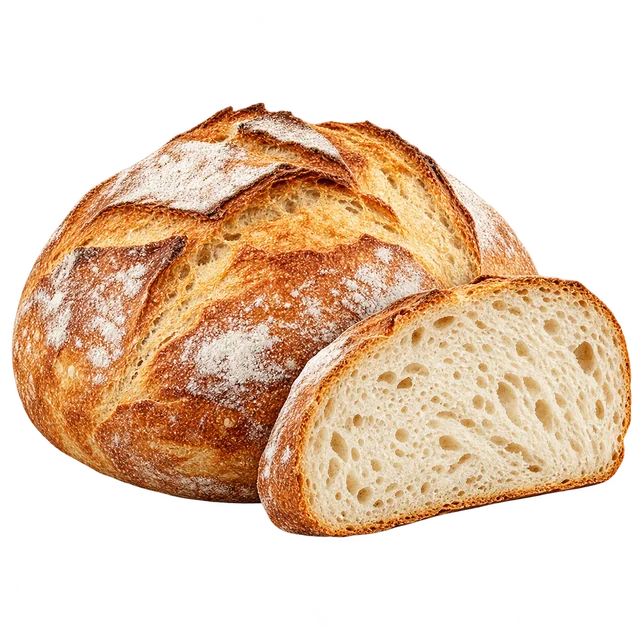
Rēwena bread: wheat-flour bread leavened with a potato-derived starter; not gluten-free potato bread and not simply cooked potato.
Ingredient details, preparation and research
Source plant or material
Rēwena bread: wheat-flour bread leavened with a potato-derived starter; not gluten-free potato bread and not simply cooked potato.
Plant family / material: Poaceae and Solanaceae; fermented bread
Forms and route
Baked loaves made with an established starter or bug; recipe composition varies.
Vitamins and minerals
Nutrient content depends on flour, added sugar, salt and other ingredients. No folate, mineral or resistant-starch value is borrowed from raw potatoes or unrelated sourdough breads.
Absorption and preparation
Fermentation and baking change dough structure, but do not guarantee improved tolerance, nutrient absorption or a benefit for people with gluten-related disorders.
Practical preparation
Use an established, food-safe recipe or trusted prepared loaf. Keep starter and finished bread under appropriate handling conditions; do not taste raw flour dough or use visibly spoiled starter.
Traditional and reported uses
- The documented method uses a potato-derived bug in place of conventional baker’s yeast. The result is a baked wheat bread with a distinct fermentation history.
- New Zealand’s public food resource describes rēwena with meals, soups or stews and as a snack. Toppings add their own ingredients and nutritional effects.
Contraindications and cautions
- Contains wheat/gluten unless an independently validated recipe and label say otherwise.
- Do not taste raw dough; discard spoiled starter or bread rather than trying to rescue it.
Starter is a process, not a supplement
The potato-derived culture supports leavening and flavour. Its presence does not mean the finished loaf contains viable beneficial microbes or reproduces findings from a different sourdough study.
Keep plant ingredients visible
A recipe may contain wheat despite its potato starter, and different flour choices alter composition. Clear labeling is more useful than assuming fermentation removes gluten or makes the bread universally suitable.
Evidence limits
This is a food/material reference, not evidence of disease treatment. Geographic and customary-use records do not establish a medicinal dose. Nutrient quantities are omitted unless a matching food form and serving have been verified.
Entry sources
- Whiti Hereaka / Te Ara: Making rewena bread
- New Zealand Immigration: Māori foods and recipes
- Charles Royal and Jenny Kaka-Scott, Te Ara: Māori foods, kai Māori
Reference entry 516 · Recorded content review: 2026-10-09 · Review scope and dates