


Key cautions
- Do not substitute an essential oil or medicinal concentrate for culinary fruit. Food use does not establish safety of high-dose products, including during pregnancy.
- Check the species and plant part, avoid moldy material, and stop if irritation or an allergic reaction occurs.
What’s inside
Volatile aromatic constituents, fiber, seed lipids and polyphenolic compounds. Studies show that whole fruit, seeds and fruit wall have different measured compositions.
Uses in brief

- Soup and sauce seasoning
History, folklore and reported uses
History, folklore and traditional uses
Native and traded: humid West/Central Africa; documented Cameroon markets.
The Cameroon forest-products inventory records the fruit as a traded product. Buying a named culinary preparation preserves that documented food use without assuming an unknown wild specimen is edible.
Traditional, historical and reported uses
- Soup and sauce seasoning
Food or household practiceWhy this label?
The source supports the named food, cosmetic or material practice; no treatment effect is inferred and the card’s form and safety limits remain attached.
FAO lists Xylopia among West African forest-food spices and condiments. The dried fruit supplies aroma to cooked savory foods; its long history does not establish a therapeutic effect.
1 sourced featured uses; cultural or material records are not clinical efficacy evidence.
Historical-use additions reviewed 2026-10-09
Regional reading paths
These sourced notes describe cultivation, trade, food traditions or material history. A regional connection does not claim exclusive origin.
Africa
Native and traded: humid West/Central Africa; documented Cameroon markets.
Dried aromatic fruits used as a food seasoning.
Identity & detailed reference
Identity
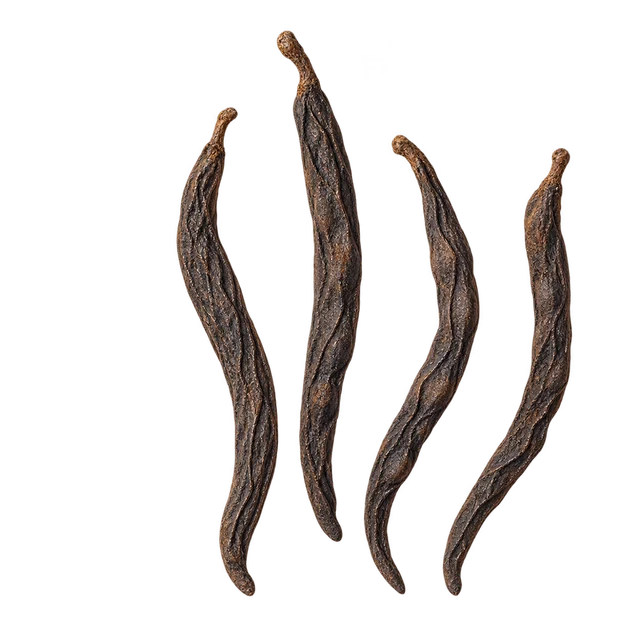
The dried aromatic fruits of Xylopia aethiopica. A fruit consists of both pericarp and seeds; it is not interchangeable with Aframomum melegueta, despite both being called African pepper.
Ingredient details, preparation and research
Source plant or material
Xylopia aethiopica
Plant family / material: Annonaceae
Forms and route
Whole dried fruit pods, broken fruit or ground culinary seasoning. Isolated seed oil, essential oil and concentrated medicinal extracts are distinct preparations.
Vitamins and minerals
Published assays concern particular dry fruit fractions. They cannot predict nutrients in a bowl of soup, especially when whole pods are removed before serving.
Absorption and preparation
What transfers into cooking liquid differs from what is measured in powdered seeds or whole fruit. Mineral content is not a direct measurement of absorption.
Practical preparation
Use a labeled dried food spice, whole or ground as the recipe specifies. If a recipe calls for infusing whole fruit, remove tough pieces before serving.
Traditional and reported uses
- Soup and sauce seasoning
Contraindications and cautions
- Do not substitute an essential oil or medicinal concentrate for culinary fruit. Food use does not establish safety of high-dose products, including during pregnancy.
- Check the species and plant part, avoid moldy material, and stop if irritation or an allergic reaction occurs.
Fruit fractions are chemically different
The original comparative study measured whole fruits, seeds and pericarps separately and found meaningful differences. Its antioxidant and phytochemical discussion does not show disease prevention in humans, and unusual assay values should not become nutrition-label claims.
Evidence limits
No clinical indication or standardized medicinal dose is inferred from compositional work. This card describes the culinary fruit, not a seed-oil supplement.
Entry sources
- FAO: Non-wood forest products in Africa, Cameroon
- FAO: Commonly consumed forest and farm tree foods in the West African humid zone
- Fategbe et al.: Composition of Xylopia whole fruit, seed and pericarp
Reference entry 293 · Recorded content review: 2026-10-09 · Review scope and dates