


Key cautions
- Compounded hing can contain wheat; people avoiding gluten should use a product clearly suitable for their needs.
- Use food-grade culinary products and follow their instructions. Concentrated extracts and medicinal preparations are different from a seasoning; their safe use during pregnancy has not been established here.
What’s inside
Sulfur-containing volatile constituents create the penetrating smell; gum and resin make up other fractions. Diluting ingredients change the composition of compounded hing.
Uses in brief

- Seasoning cooked dishes
- Compounded pantry spice
History, folklore and reported uses
History, folklore and traditional uses
FAO documents trade in Ferula exudates from the Near East to India. The Indian Spices Board identifies the collected underground exudate and its culinary role, rather than treating it as an edible leafy herb.
Traditional, historical and reported uses
- Seasoning cooked dishes
Food or household practiceWhy this label?
The cited source documents this material, preparation or cultural practice; it does not establish treatment efficacy.
Food-grade hing is used in small culinary amounts for a distinctive savoury aroma. Use a recipe appropriate to pure resin or compounded powder because their strengths differ.
- Compounded pantry spice
Food or household practiceWhy this label?
The cited source documents this material, preparation or cultural practice; it does not establish treatment efficacy.
Blending resin into a carrier makes a readily measured seasoning. Check every product for wheat or other declared ingredients rather than assuming the powder is pure resin or gluten-free.
2 supported featured food or cultural uses; no treatment claim.
Historical-use additions reviewed 2026-10-09
Regional reading paths
These sourced notes describe cultivation, trade, food traditions or material history. A regional connection does not claim exclusive origin.
Asia
Traded: Afghanistan and Iran supply resin to Indian food traditions.
Small culinary quantities of gum-resin or compounded hing season pulses.
Identity & detailed reference
Identity
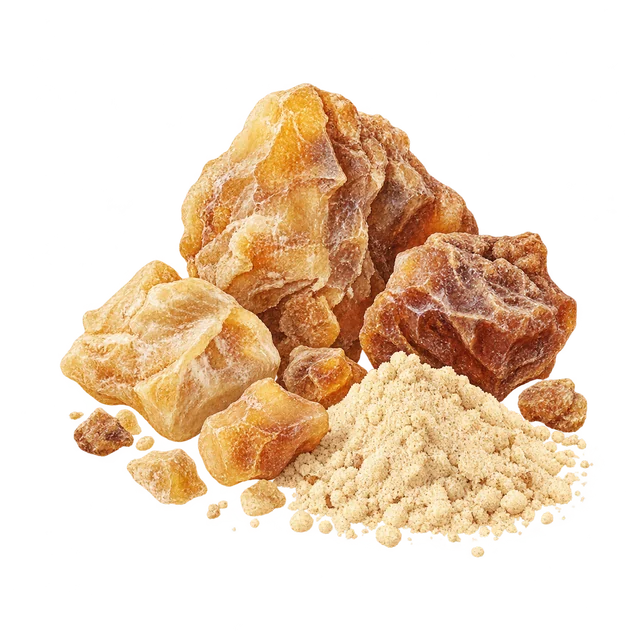
Asafoetida is an oleo-gum-resin from underground parts of authenticated Ferula species. Commercial hing may be compounded with flour or gum; it is not a single universally pure plant powder.
Ingredient details, preparation and research
Also known as: Hing; Asafetida; Ferula gum-resin
Source plant or material
Ferula assa-foetida and other authenticated commercial Ferula sources
Plant family / material: Apiaceae
Forms and route
Food-grade resin tears or lumps and compounded culinary powder. Medicinal tinctures and essential oils are separate preparations.
Vitamins and minerals
A seasoning quantity is not a meaningful way to obtain protein or minerals. Flour-containing blends have a different food composition from unblended resin.
Absorption and preparation
Cooking changes the aroma. It does not prove that hing prevents digestive symptoms or increases absorption from a meal.
Practical preparation
Keep tightly closed to limit moisture and transfer of its strong smell to other foods. Follow the product’s culinary instructions; break or dissolve resin only as directed by a suitable recipe.
Combination notes
Use as a flavour in a cooked dish, not as a replacement for prescribed digestive treatment.
Traditional and reported uses
- Seasoning cooked dishes
- Compounded pantry spice
Contraindications and cautions
- Compounded hing can contain wheat; people avoiding gluten should use a product clearly suitable for their needs.
- Use food-grade culinary products and follow their instructions. Concentrated extracts and medicinal preparations are different from a seasoning; their safe use during pregnancy has not been established here.
Trade names conceal multiple forms
The Spices Board describes exudate from several Ferula species. A historical record of asafoetida use cannot identify an unlabeled modern resin, establish purity or transfer evidence from one extract to a compounded spice.
Evidence limits
No clinical claims or resin dosing. Species and compounded ingredients need product-level verification.
Entry sources
- FAO: Non-wood forest products in the Near East
- Spices Board India: Spices of India
- Spices Board India: Asafoetida
- FSSAI: Food product standards, compounded asafoetida (2022 compilation)
Reference entry 341 · Recorded content review: 2026-10-09 · Review scope and dates