


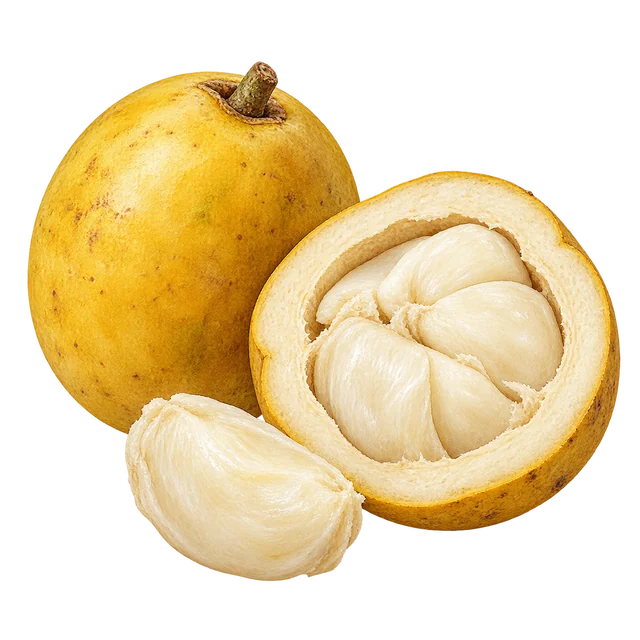
Key cautions
- Do not treat seed fat, latex or rind preparations as substitutes for edible pulp.
- A regional preserve recipe is not a validated shelf-stable canning process; follow tested preservation guidance.
What’s inside
Water, carbohydrate, organic acids and fruit solids; processed powders can contain carriers and differ from fresh pulp.
Uses in brief

- Beverages
- Sweets and frozen desserts
History, folklore and reported uses
History, folklore and traditional uses
Brazilian research describes bacuri as a regional Amazonian fruit with opportunities in managed production and value-added pulp. Economic promise should not be confused with a guarantee that every harvest or supply chain is sustainable.
Traditional, historical and reported uses
- Beverages
Food or household practiceWhy this label?
Source documents this specific material, culinary use or attributed practice; no clinical efficacy is inferred.
Embrapa describes bacuri pulp used in juices and refreshments as its market extends beyond Amazonian local consumption.
- Sweets and frozen desserts
Food or household practiceWhy this label?
Source documents this specific material, culinary use or attributed practice; no clinical efficacy is inferred.
The same agricultural source records sweets and ice cream. Sugar, milk and other ingredients belong to those recipes, not to bacuri’s botanical identity.
2 bounded uses; regional records do not establish treatment effects.
Historical-use additions reviewed 2026-10-09
Regional reading paths
These sourced notes describe cultivation, trade, food traditions or material history. A regional connection does not claim exclusive origin.
South America
native; Brazil, Amazon region
Edible aromatic fruit pulp.
Identity & detailed reference
Identity
Platonia insignis; the edible pulp of Platonia insignis; seed fat, peel, latex and bark are separate materials.
Ingredient details, preparation and research
Also known as: Platonia insignis
Source plant or material
Platonia insignis
Plant family / material: Clusiaceae
Forms and route
Food-grade fruit pulp, frozen pulp, beverages, preserves and frozen desserts.
Vitamins and minerals
No exact vitamin, mineral or fiber value is assigned. A sweet preserve or spray-dried formulation should not inherit the composition of unsweetened fresh pulp.
Absorption and preparation
Removing water concentrates some solids but is not proof of better absorption. Extraction studies on waste fractions do not establish benefits from the fruit.
Practical preparation
Purchase clean fruit or traceable processed pulp. Separate the edible pulp from seeds and rind, and store refrigerated or frozen according to the product.
Traditional and reported uses
- Beverages
- Sweets and frozen desserts
Contraindications and cautions
- Do not treat seed fat, latex or rind preparations as substitutes for edible pulp.
- A regional preserve recipe is not a validated shelf-stable canning process; follow tested preservation guidance.
Powder research concerns formulation
A primary study tests technical feasibility of spray-dried pulp powder. Such work evaluates an industrially prepared ingredient; it cannot establish that any homemade dried pulp has the same quality or shelf life.
Evidence limits
This is a food-form review, not a treatment recommendation. Composition and laboratory findings apply to the material actually studied; no medicinal dose, universal nutrient ranking or preservation guarantee is inferred.
Entry sources
- Embrapa: Estudos físicos e químicos de bacuri, cupuaçu e muruci
- Embrapa: Bacuri, fruta amazônica em ascensão
- Technical feasibility of spray-dried bacuri pulp powder
Reference entry 458 · Recorded content review: 2026-10-09 · Review scope and dates