


Key cautions
- Avoid with allergy to the preparation.
What’s inside
Lipophilic bark extracts contain fatty acids, phytosterols including beta-sitosterol, triterpenes and long-chain alcohols; profiles depend on the extract.
Uses in brief

- Historical use: EMA recognizes a traditional-use role for specified pygeum bark extract for BPH urinary symptoms after serious causes are excluded.
History, folklore and reported uses
History, folklore and traditional uses
EMA records French commercial use of the specified extract since 1969. Older African bark use is source-plant background, not evidence that bark powder matches the finished extract.
Traditional, historical and reported uses
- Finished urinary medicine
Traditional accountWhy this label?
Reported use or research history, with the form and evidentiary limits stated in the entry. This label is not a treatment endorsement.
The EMA monograph concerns a specified manufactured extract, used traditionally for BPH symptoms after serious causes are excluded.
- Earlier bark context
Historical recordWhy this label?
Reported use or research history, with the form and evidentiary limits stated in the entry. This label is not a treatment endorsement.
EMA describes older African urinary uses of bark and later French investigation. The historical raw material and modern extract must remain separate.
Only documented uses and research history are included. Modern study products do not inherit ancient clinical evidence.
Health topics: evidence and cautions
These notes describe a specific research context and preparation. A topic link is not a treatment recommendation.
Prostate health · Traditional reports
Form and route: Specified soft extract, DER 114–222:1, extraction solvent chloroform; finished oral medicine only · oral
EMA recognizes a traditional-use role for specified pygeum bark extract for BPH urinary symptoms after serious causes are excluded.
Evidence: Traditional use; limited clinical certainty
The EMA monograph lists this preparation under traditional use, not established cancer treatment.
Limits
Evidence does not transfer to homemade bark tea or other extraction methods. This is not a recipe or a recommendation to handle extraction solvents.
Cautions
- Avoid with allergy to the preparation.
- Nausea, constipation or diarrhoea may occur.
- Seek care for worsening urinary symptoms.
Identity & detailed reference
Identity
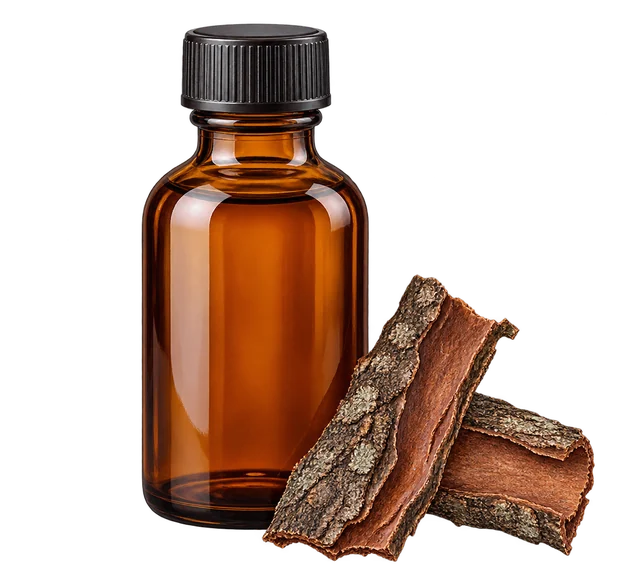
A defined finished soft extract from Prunus africana stem and branch bark. It is not cherry fruit or a homemade bark drink.
Ingredient details, preparation and research
Source plant or material
Prunus africana (syn. Pygeum africanum)
Plant family / material: Rosaceae (rose family)
Forms and route
Specified soft extract, DER 114–222:1, extraction solvent chloroform; finished oral medicine only. Oral route only unless a historical context is expressly separated.
Vitamins and minerals
No universal serving values apply to this formulation. A constituent being present does not establish nutritional adequacy or clinical benefit.
Traditional and reported uses
- EMA recognizes a traditional-use role for specified pygeum bark extract for BPH urinary symptoms after serious causes are excluded.
Contraindications and cautions
- Avoid with allergy to the preparation.
- Nausea, constipation or diarrhoea may occur.
- Seek care for worsening urinary symptoms.
- This is not a home extraction guide. Do not handle extraction solvents.
- Inability to pass urine needs urgent care. Fever, blood in urine or painful urination also need prompt medical assessment.
Similar items and how they compare
- Raw African cherry bark
It is the source material.
Finished extract composition is not reproduced by a bark tea or powder.
Terms used in this card
BPH means benign prostatic hyperplasia, or noncancerous prostate enlargement.
Identity and composition
A defined finished soft extract from Prunus africana stem and branch bark. It is not cherry fruit or a homemade bark drink. Lipophilic bark extracts contain fatty acids, phytosterols including beta-sitosterol, triterpenes and long-chain alcohols; profiles depend on the extract.
What the human evidence can show
The EMA monograph lists this preparation under traditional use, not established cancer treatment. Evidence does not transfer to homemade bark tea or other extraction methods. This is not a recipe or a recommendation to handle extraction solvents.
Safety and limits
Avoid with allergy to the preparation. Nausea, constipation or diarrhoea may occur. Seek care for worsening urinary symptoms. This is not a home extraction guide. Do not handle extraction solvents. Inability to pass urine needs urgent care. Fever, blood in urine or painful urination also need prompt medical assessment.
Evidence limits
- Evidence does not transfer to homemade bark tea or other extraction methods. This is not a recipe or a recommendation to handle extraction solvents.
- A product-specific result cannot establish every commercial preparation.
Entry sources
Reference entry 590 · Recorded content review: 2026-10-11 · Review scope and dates