Familiar ingredients, regional traditions and discoveries worth a closer look.
Six curated lists contain 70 selections each. Antarctica has a shorter, clearly separated research reference. A selection can belong to several regional traditions, so row totals are not unique ingredient totals. Entries receive full journal pages after identity, source and safety review.
Explore plants linked by sources to the Caribbean, Pacific and Atlantic. A plant may appear in more than one collection. Each plant has one ingredient journal.
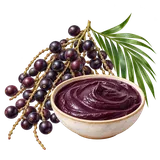
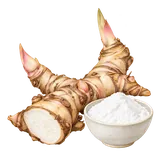
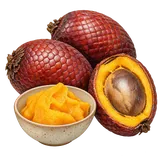
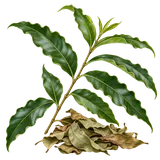
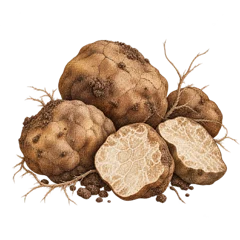
611 of 615 ingredient entries have decorative illustrations. Artwork for the remaining 4 entries is being added in stages. Illustrations are not identification references.
Under each region, Explore more offers a few extra choices. We look for clear sources that link each choice to the region, along with useful history, uses and variety. A list may have fewer than ten items. These lists do not rank items by popularity or health benefits.
Some ingredients fit more than one group. A food may also appear under spices, seeds, fermented foods or cooking herbs. Entries kept only for research do not get extra food labels. Different types of oil stay separate. Sorting changes the order, not the number of choices.
496 regional selections. Ingredients may appear on more than one continent.
No selections match. Try fewer filters.
Africa
70 featured · 8 extras
A curated regional selection based on documented association, historical interest and useful variety. This is not a measured popularity or health ranking. Native origin, introduced cultivation, trade and traditional processing are identified separately.
A curated regional selection based on documented association, historical interest and useful variety. This is not a measured popularity or health ranking. Native origin, introduced cultivation, trade and traditional processing are identified separately.
A curated regional selection based on documented association, historical interest and useful variety. This is not a measured popularity or health ranking. Native origin, introduced cultivation, trade and traditional processing are identified separately.
A curated regional selection based on documented association, historical interest and useful variety. This is not a measured popularity or health ranking. Native origin, introduced cultivation, trade and traditional processing are identified separately.
A curated regional selection based on documented association, historical interest and useful variety. This is not a measured popularity or health ranking. Native origin, introduced cultivation, trade and traditional processing are identified separately.
A curated regional selection based on documented association, historical interest and useful variety. This is not a measured popularity or health ranking. Native origin, introduced cultivation, trade and traditional processing are identified separately.
A bounded 23-item reference, not a top-70 ingredient ranking. Native organisms and geological samples stay research-only. Crops belong to controlled research-station cultivation, not Antarctic food traditions or native flora. No material is listed as suitable for collection, ingestion or self-treatment merely because it occurs here.
✧
Ecology references
Antarctic hair grass
Reference only
Deschampsia antarctica
Native Antarctic flowering plant.
Ecological study; not an edible herb recommendation.
Comparison & sources
Reference only; no food or remedy use established here.