


Key cautions
- Digestive upset, dizziness and headache can occur.
What’s inside
Fruit extracts contain fatty acids and plant sterols; amounts vary by extraction method.
Uses in brief

- Negative evidence: Saw palmetto alone provides little or no relief of urinary symptoms from BPH.
History, folklore and reported uses
History, folklore and traditional uses
EMA records early twentieth-century urinary use and older berry-tonic traditions. Those accounts are not proof that modern capsules work.
Traditional, historical and reported uses
- Urinary-use history
Mixed/contextual sourcesWhy this label?
Reported use or research history, with the form and evidentiary limits stated in the entry. This label is not a treatment endorsement.
EMA records fruit preparations used for urinary complaints. Current NCCIH evidence weighs against a meaningful BPH benefit from saw palmetto alone.
- Other reported uses
Traditional accountWhy this label?
Reported use or research history, with the form and evidentiary limits stated in the entry. This label is not a treatment endorsement.
Older accounts mention cough and skin complaints. These concern historical fruit preparations, not proven uses of today’s oral extract.
- Hair-loss research
Human researchWhy this label?
Reported use or research history, with the form and evidentiary limits stated in the entry. This label is not a treatment endorsement.
Small oral and topical studies exist, but the evidence is too limited for conclusions. Scalp products are outside this oral record.
Only documented uses and research history are included. Modern study products do not inherit ancient clinical evidence.
Health topics: evidence and cautions
These notes describe a specific research context and preparation. A topic link is not a treatment recommendation.
Prostate health · No benefit or possible harm
Form and route: Single-herb oral extracts; extraction methods differ · oral
Saw palmetto alone provides little or no relief of urinary symptoms from BPH.
Evidence: Moderate-to-high certainty of little or no benefit
NIH trials and a 2023 review found no meaningful benefit, even with higher doses. NCCIH also reports no significant benefit for chronic pelvic pain syndrome.
Limits
Combination products cannot establish the effect of saw palmetto alone. This is not evidence of prostate cancer prevention.
Cautions
- Digestive upset, dizziness and headache can occur.
- Do not delay assessment of urinary symptoms.
Hair loss · Symptom support
Form and route: Oral extract; the trial abstract does not fully characterize extraction or standardization · oral
Condition and setting: androgenetic_alopecia
Photographic improvement was reported in 38% with saw palmetto versus 68% with finasteride. NCCIH concludes that the small oral/topical hair-loss studies are too limited for a conclusion.
Evidence: Very limited evidence; NCCIH finds it insufficient for conclusions
Oral Serenoa repens 320 mg/day versus finasteride 1 mg/day for 24 months in an open-label study of 100 men with mild-to-moderate AGA. The abstract does not sufficiently characterize the extract to equate all retail products.
Limits
Open-label comparison and incompletely described extract. Neither whole berries nor topical preparations inherit the result; saw palmetto plus beta-sitosterol trials cannot isolate either ingredient.
Cautions
- Digestive symptoms, dizziness, and headache can occur. Discuss use with a clinician when taking medicines; pregnancy/breastfeeding use may be unsafe. Do not describe it as a proven substitute for finasteride.
Identity & detailed reference
Identity
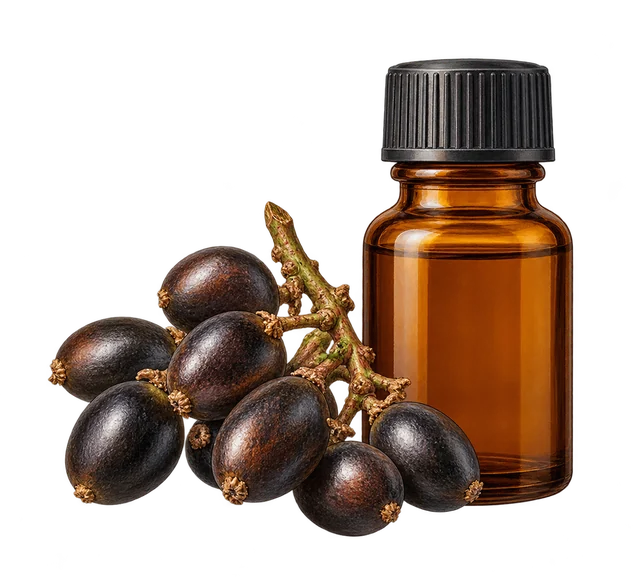
Extracts of Serenoa repens fruit; solvent and chemical profiles differ. Whole berries and topical scalp products are separate forms.
Ingredient details, preparation and research
Source plant or material
Serenoa repens
Plant family / material: Arecaceae (palm family)
Forms and route
Single-herb oral extracts; extraction methods differ. Oral route only unless a historical context is expressly separated.
Vitamins and minerals
No universal serving values apply to this formulation. A constituent being present does not establish nutritional adequacy or clinical benefit.
Traditional and reported uses
- Saw palmetto alone provides little or no relief of urinary symptoms from BPH.
Contraindications and cautions
- Digestive upset, dizziness and headache can occur.
- Do not delay assessment of urinary symptoms.
- Avoid during pregnancy or breastfeeding.
Similar items and how they compare
- Whole saw palmetto berries; topical scalp products
Fruit origin is shared.
Whole-fruit and topical preparations do not reproduce oral-extract trial exposure.
Terms used in this card
BPH means benign prostatic hyperplasia, or noncancerous prostate enlargement. CP/CPPS means chronic prostatitis/chronic pelvic pain syndrome.
Identity and composition
Extracts of Serenoa repens fruit; solvent and chemical profiles differ. Whole berries and topical scalp products are separate forms. Fruit extracts contain fatty acids and plant sterols; amounts vary by extraction method.
What the human evidence can show
NIH trials and a 2023 review found no meaningful benefit, even with higher doses. NCCIH also reports no significant benefit for chronic pelvic pain syndrome. Combination products cannot establish the effect of saw palmetto alone. This is not evidence of prostate cancer prevention.
Safety and limits
Digestive upset, dizziness and headache can occur. Do not delay assessment of urinary symptoms. Avoid during pregnancy or breastfeeding.
Evidence limits
- Combination products cannot establish the effect of saw palmetto alone. This is not evidence of prostate cancer prevention.
- A product-specific result cannot establish every commercial preparation.
Entry sources
Reference entry 594 · Recorded content review: 2026-10-11 · Review scope and dates