


Key cautions
- Use culinary leaves only in ordinary recipe quantities
- Avoid medicinal-dose teas or extracts, especially during pregnancy or for children; traditional use does not establish safety.
What’s inside
Volatile compounds contribute its distinctive aroma; ascaridole is associated with some concentrated oils. Amounts vary with growing conditions and extraction.
Uses in brief

- Bean seasoning
- Milpa cuisine aromatic
History, folklore and reported uses
History, folklore and traditional uses
Mexico City’s community recipe collection includes epazote with cooked beans. Mexican milpa documentation places it among locally meaningful culinary plants; that food role is more specific than an unrestricted herbal-remedy label.
Traditional, historical and reported uses
- Bean seasoning
Food or household practiceWhy this label?
Label describes the stated practice or evidence, not an efficacy grade. Exact form and cautions remain attached.
The SEPI recipe collection uses epazote during bean preparation, then removes it before blending. That records a particular kitchen practice, not proof that the herb neutralizes all bean-related digestive effects.
- Milpa cuisine aromatic
Food or household practiceWhy this label?
Label describes the stated practice or evidence, not an efficacy grade. Exact form and cautions remain attached.
Official milpa documentation includes epazote among Mesoamerican food ingredients, alongside vegetables, chiles and other herbs. Recipes and customary amounts vary locally.
2 supported uses; records describe the named form and are not treatment recommendations.
Historical-use additions reviewed 2026-10-09
Regional reading paths
These sourced notes describe cultivation, trade, food traditions or material history. A regional connection does not claim exclusive origin.
North America
Cultivated/traditional culinary use: Mexico.
Small culinary leaf amounts season beans; essential oil is not a food substitute.
Identity & detailed reference
Identity
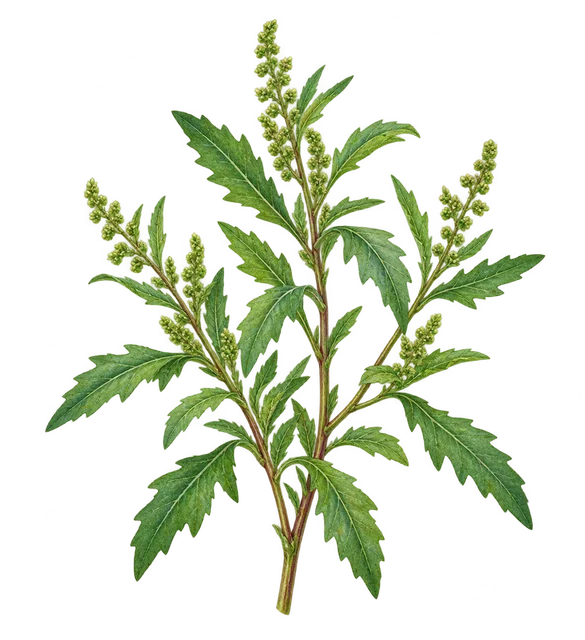
Leaves of Dysphania ambrosioides, also published as Chenopodium ambrosioides. Modern taxonomy places the species in Amaranthaceae.
Ingredient details, preparation and research
Also known as: Mexican tea; Chenopodium ambrosioides
Source plant or material
Dysphania ambrosioides
Plant family / material: Amaranthaceae
Forms and route
Fresh or dried food-grade leaf seasoning. Essential oil, strong medicinal decoctions and hydroalcoholic extracts are separate materials.
Vitamins and minerals
As a small seasoning portion, it should not be advertised as a major nutrient source. Values for concentrated extracts do not describe leaf seasoning.
Absorption and preparation
No clinical evidence here establishes that adding epazote makes bean nutrients more absorbable or reliably prevents gas.
Practical preparation
Buy food-grade leaves, rinse fresh material and use the amount in a trusted food recipe. Remove stems or whole sprigs when the recipe calls for it. Do not distill or concentrate it for home treatment.
Traditional and reported uses
- Bean seasoning
- Milpa cuisine aromatic
Contraindications and cautions
- Use culinary leaves only in ordinary recipe quantities. Do not swallow epazote essential oil or use it as a home dewormer.
- Avoid medicinal-dose teas or extracts, especially during pregnancy or for children; traditional use does not establish safety.
Extract studies do not establish food therapy
An animal study examined a hydroethanolic flower extract, not ordinary leaf-seasoned food. Different parts, solvents and exposure levels prevent transferring its results into a home dose or safety guarantee.
Evidence limits
Regional history and food/material practice do not establish treatment efficacy. Composition depends on the named species, part and preparation; no medicinal dose or universal nutrient ranking is inferred.
Entry sources
- Mexico City SEPI: Sabores y Raíces, community recipe collection
- Mexico City Congress: Alimentos mesoamericanos incluidos en la dieta de la milpa
- Study: Acute/subacute toxicity of Dysphania ambrosioides flower extract
Reference entry 391 · Recorded content review: 2026-10-09 · Review scope and dates