


Key cautions
- Do not prepare or detoxify cycads or unknown palms using a sago recipe.
- Do not use smell or cooking alone to declare improperly stored starch safe.
What’s inside
Predominantly starch after processing; raw pith, extracted starch and mixed dishes are different materials. No single protein or micronutrient profile is assigned.
Uses in brief

- Cooked starch staple
- Food-processing ingredient
History, folklore and reported uses
History, folklore and traditional uses
True sago is important in New Guinea lowland food systems. ACIAR-supported research in Papua New Guinea examined the actual processing and storage chain, showing why cultural importance and food-safety controls must be discussed together.
Traditional, historical and reported uses
- Cooked starch staple
Food or household practiceWhy this label?
Sources document this named food or material use; no therapeutic outcome is claimed.
The palm’s extracted food starch is used as a regional staple. The edible product is processed starch rather than an arbitrary piece of palm tissue.
- Food-processing ingredient
Food or household practiceWhy this label?
Sources document this named food or material use; no therapeutic outcome is claimed.
Prepared sago starch can enter cooked foods as a starch ingredient. Its identity should remain visible in products whose common name could otherwise mean tapioca.
2 narrowly supported uses; no clinical efficacy or universal preparation is inferred.
Historical-use additions reviewed 2026-10-09
Regional reading paths
These sourced notes describe cultivation, trade, food traditions or material history. A regional connection does not claim exclusive origin.
Australia & Oceania
native/cultivated; Papua New Guinea
Processed palm starch staple.
Identity & detailed reference
Identity
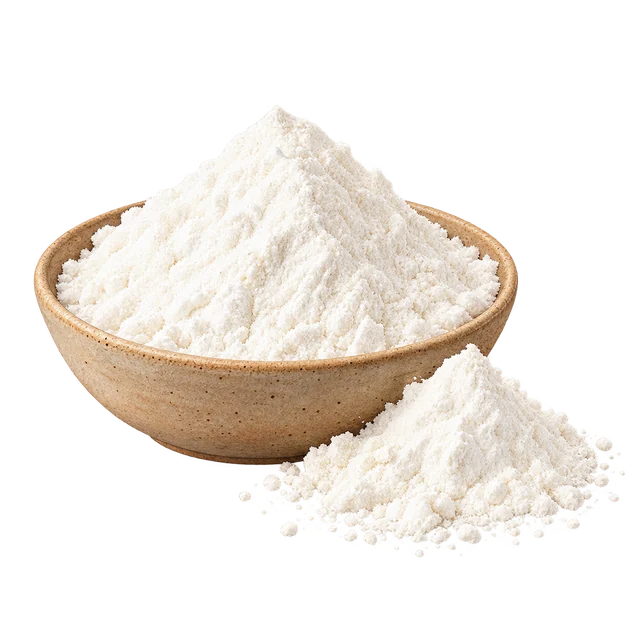
Metroxylon sagu palm starch; true sago, distinct from cycad material and tapioca pearls that are sometimes sold under the same name.
Ingredient details, preparation and research
Source plant or material
Metroxylon sagu palm starch; true sago, distinct from cycad material and tapioca pearls that are sometimes sold under the same name.
Plant family / material: Arecaceae
Forms and route
Professionally or locally safely processed food starch and cooked staple preparations.
Vitamins and minerals
A starch staple is not a complete meal or a guaranteed mineral source. Packaging should state whether a pearl or flour is palm sago or cassava-derived.
Absorption and preparation
Starch gelatinization during cooking changes texture and digestibility; it does not reliably correct unsafe storage or pre-existing contamination.
Practical preparation
Use a trusted food product and follow its cooking/storage directions. Do not attempt pith extraction, prolonged storage or fermentation from this card, and never substitute ornamental cycads.
Traditional and reported uses
- The palm’s extracted food starch is used as a regional staple. The edible product is processed starch rather than an arbitrary piece of palm tissue.
- Prepared sago starch can enter cooked foods as a starch ingredient. Its identity should remain visible in products whose common name could otherwise mean tapioca.
Contraindications and cautions
- Do not prepare or detoxify cycads or unknown palms using a sago recipe.
- Do not use smell or cooking alone to declare improperly stored starch safe.
Storage deserves particular attention
The PNG project identified hazards across processing and emphasized storage/fermentation control points. A historical storage method is not automatically a validated household procedure, and the report does not authorize improvising one here.
Different plants under one market name
The IUCN and FAO records anchor true sago to Metroxylon. That botanical boundary is essential because cycad products have different hazards and must not inherit palm-starch food guidance.
Evidence limits
This is a food/material reference, not evidence of disease treatment. Geographic and customary-use records do not establish a medicinal dose. Nutrient quantities are omitted unless a matching food form and serving have been verified.
Entry sources
- ACIAR: Microbial contaminants associated with sago processing and storage in Papua New Guinea
- IUCN: Metroxylon sagu species assessment
- FAO Ecocrop: Metroxylon sagu
Reference entry 508 · Recorded content review: 2026-10-09 · Review scope and dates