


Key cautions
- Known mango allergy: avoid.
- Sap and peel can irritate sensitized skin.
- Use tested methods for shelf-stable preserves.
What’s inside
Fruit flesh supplies carbohydrate, fiber, vitamin C and carotenoids. Cultivar, ripeness, drying and recipe change the nutrient profile.
Uses in brief

- Fresh fruit and chilled desserts
- Chow, curry and chutney
- Dried fruit and preserves
History, folklore and reported uses
History, folklore and traditional uses
Kew records Mangifera indica’s native range from Assam to southern Yunnan. UF/IFAS describes more than four millennia of Indian cultivation and its spread to the Americas in the eighteenth century.
Its Caribbean story includes dessert fruit as well as green-fruit cookery. Trinidad and Tobago’s school agricultural-science materials name chow, anchar, kuchela, red mango and mango talkarie, preserving a varied local vocabulary of food preparation.
A closer look at its history
An Asian fruit became a Caribbean dooryard crop
UF/IFAS traces mango to the Indo-Burma region and records more than four millennia of cultivation in India. Its global spread accelerated from the sixteenth century, reaching the Americas in the eighteenth. Puerto Rico later developed a locally important industry. Cultivars differ strongly in vigor, flavor and disease response; “mango” is not one uniform orchard tree.
Additional history reviewed 2026-10-10
Traditional, historical and reported uses
- Ripe fresh fruit
Food or household practiceWhy this label?
This records an identified food preparation or material practice, without claiming a medical outcome.
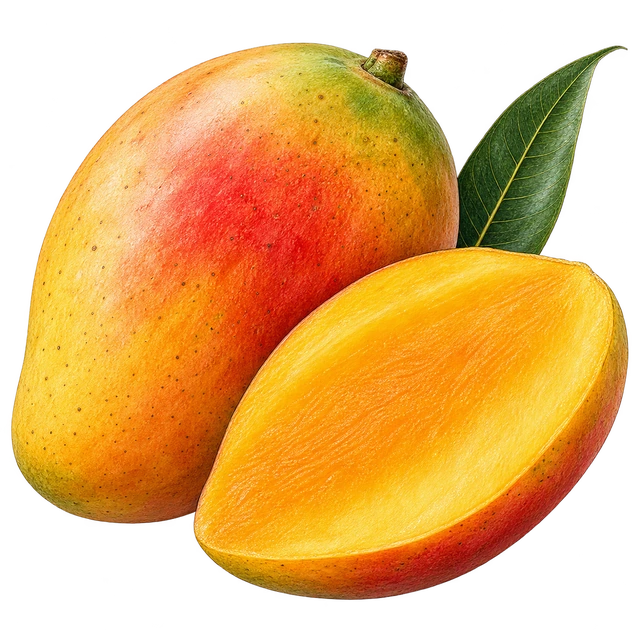
Ripe mango is widely eaten as a fruit, with flesh cut away from its flat pit. Cultivars differ in aroma, fiber and sweetness; skin color alone is not a universal ripeness guide.
- Trinidadian mango chow
Food or household practiceWhy this label?
This records an identified food preparation or material practice, without claiming a medical outcome.
Tourism Trinidad features mango chow, and Ministry of Education materials describe sliced mango with hot pepper, herbs and spices as a chilled preparation. This is savory fruit cookery, not a medicinal mixture.
- Chutney, anchar and kuchela
Food or household practiceWhy this label?
This records an identified food preparation or material practice, without claiming a medical outcome.
Trinidad and Tobago’s curriculum lists these distinct mango condiments. Their existence as regional foods does not validate any improvised storage method; shelf-stable home chutney needs a tested recipe and process.
- Curry mango / mango talkarie
Food or household practiceWhy this label?
This records an identified food preparation or material practice, without claiming a medical outcome.
Mango talkarie appears among the locally documented cooked mango foods. It illustrates the fruit’s role in a savory dish, separate from eating a ripe mango out of hand.
- Red mango and sweet preserves
Food or household practiceWhy this label?
This records an identified food preparation or material practice, without claiming a medical outcome.
The same Trinidadian teaching resource records red or preserved mango alongside jam. Sugar and other additions are part of the finished food, so these preparations should not be counted nutritionally as plain fresh fruit.
- Dried slices and fruit leather
Food or household practiceWhy this label?
This records an identified food preparation or material practice, without claiming a medical outcome.
Mango can be dried as slices or made into fruit leather. University extension guidance separates these products from frozen fruit and canned chutney; follow a suitable drying and storage method.
- Ice cream and frozen fruit preparations
Food or household practiceWhy this label?
This records an identified food preparation or material practice, without claiming a medical outcome.
Mango is used in ice cream, and pieces can also be frozen for later food use. Sweetened frozen desserts and plain frozen pieces are different preparations even when they share the same fruit.
Distinct documented practices are featured without filling a quota. Food, material use and traditional remedy accounts retain separate evidence labels; none is a cure claim.
Historical-use additions reviewed 2026-10-09
Story sources
- Kew POWO: Mangifera indica L.
- UF/IFAS: Mango Growing in the Florida Home Landscape
- Tourism Trinidad: Five Trini Chow Recipes to Try
- Trinidad and Tobago Ministry of Education: What is Agro-Processing?
- Trinidad and Tobago Ministry of Education: Agro-processing examples
- Oregon State University Extension: Preserving fruits, mangoes
- National Center for Home Food Preservation: Mango Chutney
- Calvert et al. (1996): Mango dermatitis, allergic contact dermatitis to Mangifera indica
- Weinstein et al. (2004): Allergic contact dermatitis to mango flesh
- FDA: Selecting and Serving Produce Safely
Growing notes
Mangifera indica, grafted culinary cultivars; Florida evidence requires local climate adaptation.
- Climate and habit
- A frost-sensitive evergreen tree. Choose a low-vigor grafted cultivar for limited space; winter cold can damage flowers even before freezing. A last-frost date alone does not make a climate suitable. [1]
- Sun, soil and water
- Use full sun and a well-drained site. Water establishing trees through dry weather; established trees need much less frequent irrigation. Avoid constantly wet roots. [1]
- Pollination, harvest and pruning
- Insects pollinate flowers. Grafted trees commonly begin bearing in 3–5 years. Harvest mature, filled-out fruit; color varies by cultivar. Prune soon after harvest to maintain a manageable canopy. [1]
- Problems to watch
- Anthracnose and powdery mildew can ruin flowering and fruit set. Choose locally suitable resistant cultivars, allow airflow and monitor before treating. [1]
Growing sources and regional guidance
Growing notes reviewed 2026-10-10
Regional reading paths
These sourced notes describe cultivation, trade, food traditions or material history. A regional connection does not claim exclusive origin.
Asia
Native/cultivated: South Asia; widely grown through tropical Asia.
Ripe fruit and green-fruit culinary preparations.
Identity & detailed reference
Identity
The flesh of cultivated Mangifera indica fruit. This card covers ripe dessert mango and green culinary mango; it does not cover mango bark, leaves, isolated mangiferin or seed extracts.
Ingredient details, preparation and research
Also known as: Mangos; Mangoes; Mangifera indica; Green mango; Ripe mango
Source plant or material
Mangifera indica L.
Plant family / material: Anacardiaceae
Forms and route
Peeled ripe or green fruit, frozen pieces, pulp, dried slices and cooked dishes. Sweetened drinks, dried products and condiments have preparation-specific compositions.
Vitamins and minerals
Mango flesh contributes fiber, vitamin C and carotenoids as well as carbohydrate. A green-mango pickle, fresh ripe portion, juice and sweetened dried mango should not share one nutrient figure. No cultivar-specific copper value or therapeutic serving is assigned.
Absorption and preparation
Carotenoid content varies with cultivar and ripeness. This card does not claim a mango-specific absorption advantage or that fruit supplies the effects of isolated compounds used in experiments.
Practical preparation
Wash before cutting, peel if suitable, and slice the flesh away from the pit using a stable cutting surface. Use firm green fruit when a savory recipe calls for it and ripe fruit for dessert use. Refrigerate cut fruit.
Combination context
No medicinal combination or required nutrient-absorption pairing is established for this food.
Combination notes
Hot pepper, herbs and spices belong to documented chow traditions; cooked condiments and desserts may add substantial salt, oil or sugar. Choose the preparation for the meal rather than a promised treatment effect.
Traditional and reported uses
- Fresh fruit and chilled desserts
- Chow, curry and chutney
- Dried fruit and preserves
Contraindications and cautions
- Avoid mango if you have a diagnosed mango allergy. Sap and skin can cause contact dermatitis; peeling is not a guarantee of safety for an allergic person.
- Remove the hard pit and prepare pieces suitable for the eater. This card does not recommend seed-kernel, bark or leaf preparations.
- Wash before peeling or cutting, use clean utensils and refrigerate cut fruit.
- Use a tested recipe and process for shelf-stable chutney or other home preserves. Sour taste, sugar, oil or spices alone do not establish safe storage.
- Check labels on dried mango, nectars and relishes for added sugar, salt and other ingredients relevant to your diet.
Similar items and how they compare
- Mango leaf or mangiferin extract
May be associated with the same species.
An extract’s concentration, composition and research results do not describe a fruit serving.
- Other Mangifera fruits
The genus includes other edible regional fruits.
This card is specifically Mangifera indica; related species and local names require separate identification.
A skin reaction is not simply dislike of the fruit
Clinical case reports document contact dermatitis after mango sap or skin exposure, and reactions involving flesh have also been reported. Anyone with a known reaction needs individualized allergy advice rather than a promise that peeling solves it.
Preserving requires a tested process
The National Center for Home Food Preservation provides a tested chutney using hard, unripe mango. Its specified ingredients and canning process matter; a cultural description is not a substitute for that safety method.
Evidence limits
Many mango cultivars exist, and this is a species-level food card. No single cultivar nutrient profile, clinical benefit, leaf-tea dose or seed-processing method is established here.
Entry sources
- Kew POWO: Mangifera indica L.
- UF/IFAS: Mango Growing in the Florida Home Landscape
- Tourism Trinidad: Five Trini Chow Recipes to Try
- Trinidad and Tobago Ministry of Education: What is Agro-Processing?
- Trinidad and Tobago Ministry of Education: Agro-processing examples
- Oregon State University Extension: Preserving fruits, mangoes
- National Center for Home Food Preservation: Mango Chutney
- Calvert et al. (1996): Mango dermatitis, allergic contact dermatitis to Mangifera indica
- Weinstein et al. (2004): Allergic contact dermatitis to mango flesh
- FDA: Selecting and Serving Produce Safely
Reference entry 267 · Recorded content review: 2026-10-09 · Review scope and dates