


Key cautions
- Water-related weight gain is common. Discuss use with a clinician when managing kidney disease or other medical conditions; avoid extrapolating healthy-adult safety to everyone.
What’s inside
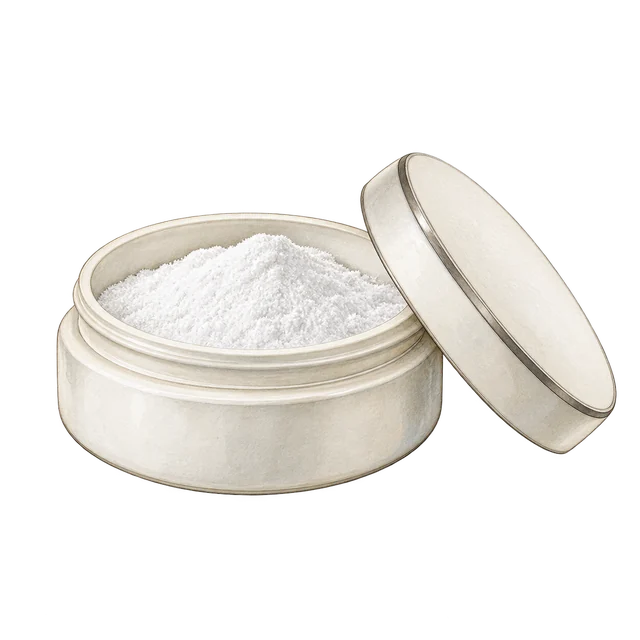
Creatine; the monohydrate form is the specified research preparation.
Uses in brief

- Oral creatine monohydrate can support resistance-training performance and may add to lean-mass gains. Some weight gain is water; it is not guaranteed new muscle.
History, folklore and reported uses
History, folklore and traditional uses
A useful milestone in modern creatine research is a 1992 experiment by Harris, Söderlund and Hultman, associated with the Karolinska Institute. Muscle biopsies showed that taking creatine monohydrate could raise muscle creatine stores. That was a storage-and-uptake experiment, rather than a trial of long-term muscle growth.
Later training studies asked a different question: whether making more creatine available helps people perform repeated high-intensity efforts and adapt to training. This distinction explains why muscle-creatine loading, scale weight, strength and actual muscle size should be read as separate outcomes.
Traditional, historical and reported uses
- A milestone in creatine-loading research
Human researchWhy this label?
Identifies the source-supported production, formulation or dated research context; no additional therapeutic effect is inferred.
The 1992 human experiment studied oral absorption and muscle storage, including the effect of exercise on uptake. It documents an early modern research application of creatine monohydrate.
Source-backed material history, manufacturing or food-use context is separated from efficacy evidence; no additional uses are invented.
Health topics: evidence and cautions
These notes describe a specific research context and preparation. A topic link is not a treatment recommendation.
Hair loss · Safety reference
Form and route: Oral creatine monohydrate; the hair study used 5 g/day for 12 weeks · oral
Condition and setting: supplement_hair_loss_concern_in_healthy_trained_men
A small 12-week trial found no creatine-related difference in measured hair outcomes or DHT compared with placebo.
Evidence: Limited short-term randomized safety evidence
The study recruited 45 resistance-trained men aged 18–40; participants received creatine monohydrate or maltodextrin. Thirty-eight completed; 37 had hair assessments. No significant group-by-time differences appeared in hair metrics or androgen outcomes.
Limits
Short follow-up, small sample and one dose; family history of hair loss was not determined. This neither establishes hair regrowth nor excludes every long-term or individual risk.
Cautions
- New or progressive hair loss still deserves a cause-specific assessment.
- This record addresses a hair-loss concern, not general clearance to use creatine with any condition or medication.
Muscle mass · Support during care
Form and route: Oral creatine monohydrate. ODS describes maintenance amounts of 3–5 g/day, sometimes after a loading phase. These are research/practice context, not an individualized prescription. · oral
Condition and setting: Resistance-training performance and lean-mass outcomes in adults; not unexplained muscle wasting
Oral creatine monohydrate can support resistance-training performance and may add to lean-mass gains. Some weight gain is water; it is not guaranteed new muscle.
Evidence: Training adjunct; established performance evidence, mixed muscle-mass evidence
A double-blind trial randomized 30 men around age 70 to creatine or placebo during 36 resistance-training sessions over 12 weeks; creatine was 0.3 g/kg/day for five days, then 0.07 g/kg/day. The trial reported lean-tissue gains of 3.3 kg with creatine versus 1.3 kg with placebo, alongside larger gains on several leg-performance measures.
Limits
DXA lean mass includes water. A 2026 synthesis of 11 older-adult trials found a small added strength effect but no clear muscle-mass benefit, with low certainty for mass. Do not promise a specific gain or extrapolate to creatine without training.
Cautions
- Water-related weight gain is common. Discuss use with a clinician when managing kidney disease or other medical conditions; avoid extrapolating healthy-adult safety to everyone.
Identity & detailed reference
Identity
Manufactured creatine monohydrate; not a botanical material.
Ingredient details, preparation and research
Also known as: creatine
Source plant or material
Manufactured creatine monohydrate; not a botanical material.
Plant family / material: Not a botanical material.
Forms and route
Oral creatine monohydrate. ODS describes maintenance amounts of 3–5 g/day, sometimes after a loading phase. These are research/practice context, not an individualized prescription.
Vitamins and minerals
This is a preparation-specific supplement reference. No generic food serving, Daily Value badge, or nutrient quantity is assigned; the label and study preparation must be checked.
Absorption and preparation
No special food pairing or absorption-enhancement recipe is established here. Trial findings apply to the specified oral material and cannot be transferred to a tea, whole food or different supplement blend.
Traditional and reported uses
- Oral creatine monohydrate can support resistance-training performance and may add to lean-mass gains. Some weight gain is water; it is not guaranteed new muscle.
Contraindications and cautions
- Water-related weight gain is common. Discuss use with a clinician when managing kidney disease or other medical conditions; avoid extrapolating healthy-adult safety to everyone.
Population, preparation and outcome
A double-blind trial randomized 30 men around age 70 to creatine or placebo during 36 resistance-training sessions over 12 weeks; creatine was 0.3 g/kg/day for five days, then 0.07 g/kg/day. The trial reported lean-tissue gains of 3.3 kg with creatine versus 1.3 kg with placebo, alongside larger gains on several leg-performance measures.
What the result does not establish
DXA lean mass includes water. A 2026 synthesis of 11 older-adult trials found a small added strength effect but no clear muscle-mass benefit, with low certainty for mass. Do not promise a specific gain or extrapolate to creatine without training.
Preparation and safety boundaries
Water-related weight gain is common. Discuss use with a clinician when managing kidney disease or other medical conditions; avoid extrapolating healthy-adult safety to everyone.
The hair-loss concern: a short safety study
A small 2025 randomized trial studied healthy resistance-trained men aged 18–40 taking oral creatine monohydrate, 5 g/day, or maltodextrin for 12 weeks. It found no significant group-by-time differences in measured hair outcomes or DHT. This was one short trial at one dose; it neither demonstrates hair regrowth nor rules out every long-term or individual risk. The amount is a research exposure, not a recommended dose.
Evidence limits
- DXA lean mass includes water. A 2026 synthesis of 11 older-adult trials found a small added strength effect but no clear muscle-mass benefit, with low certainty for mass. Do not promise a specific gain or extrapolate to creatine without training.
- Focused educational review, not a systematic review or a personal supplement plan.
Entry sources
- NIH ODS: Dietary Supplements for Exercise and Athletic Performance
- Chrusch et al. 2001: Creatine supplementation combined with resistance training in older men
- 2026 systematic review: creatine plus resistance training in older adults
- Harris et al. 1992: Oral creatine and muscle creatine stores
- Lak et al. 2025: Creatine and hair, randomized controlled trial
Reference entry 599 · Recorded content review: 2026-10-11 · Review scope and dates