The Herb Notebook™

Know the ingredient.
See the whole story.

A free guide for curious readers, home cooks and gardeners. Learn about herbs, foods and nutrients. Find their traditions, ways to prepare them, evidence and cautions in one place.

Keep personal details out of search. Search words may appear in browser history and hosting logs.

Search help & privacy

Search ingredient names, or use a general topic such as hydration. You can also browse symptoms and everyday topics without typing. This search helps you find information. It cannot diagnose a condition or tell you which treatment to use.

Search words may appear in your browser history and the records kept by our hosting service. When JavaScript is on, the search can spot some health phrases, open a matching topic and remove those words from the web address. It cannot spot or protect every personal detail. When JavaScript is off, your search words stay in the web address.

Topic pages explain the subject and include sources and important cautions. Symptom searches can open these guides. You can also find a headache guide and a group of water-rich foods, with sources, for everyday hydration. Health Topics and Men’s Health offer more reading with sources, safety notes and what the research cannot yet tell us.

615 ingredient entries61 resources
Browse the ingredients

Explore the KJV Bible collection

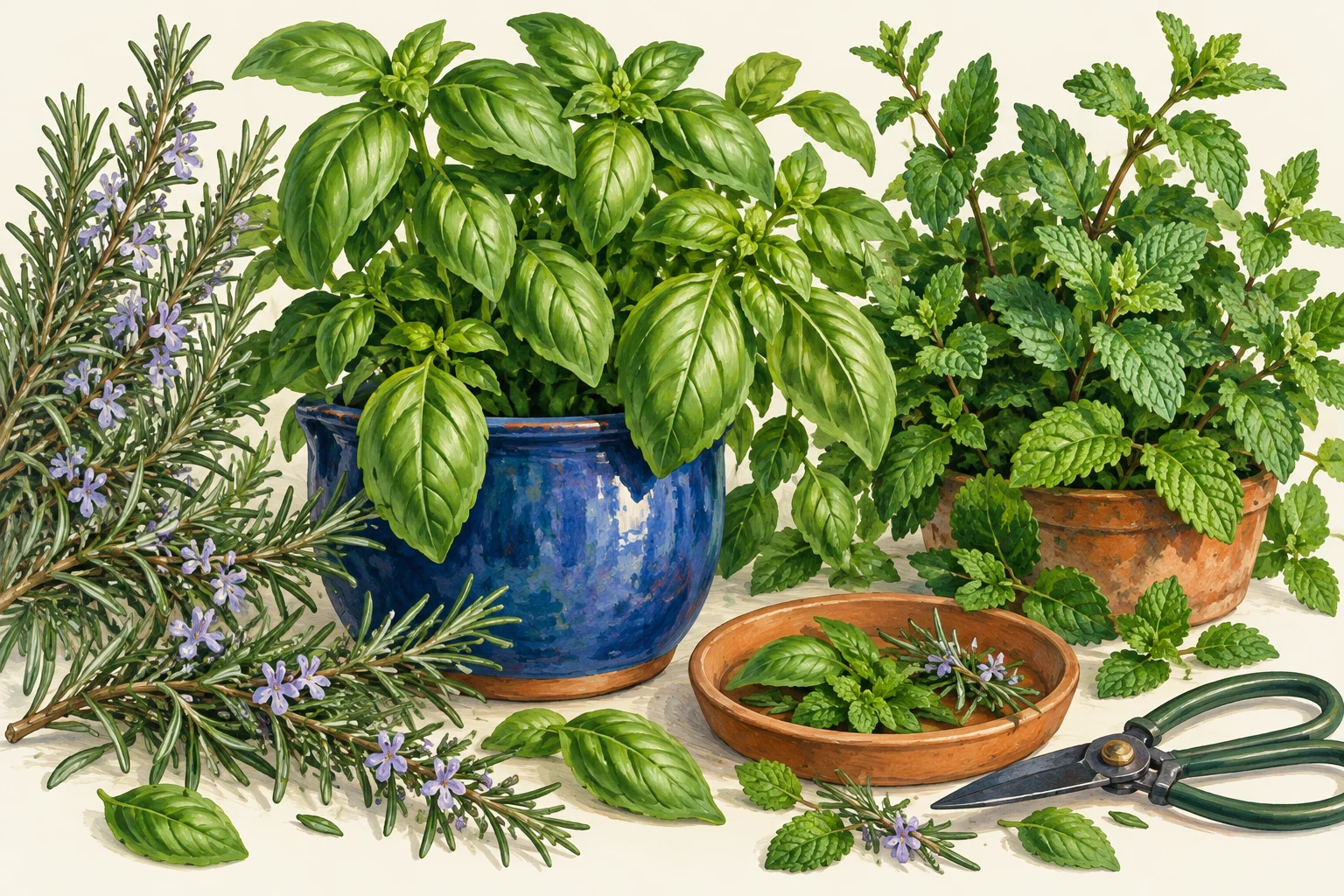
Painted culinary herbs with a cobalt-blue pot, terracotta saucer, and garden snips.
From garden notes to the reference shelf.Illustration

A closer look at rosemary

Rosemary is Salvia rosmarinus, formerly Rosmarinus officinalis, in the mint family. Fresh or dried leaves are not the same preparation as a steam-distilled essential oil.

Plant identity: Kew Plants of the World Online

Read the rosemary entry and cautions

PLANTS, PLACES & TRADITIONS

Explore the world shelf

Compare regional foods, traditions and materials with our ingredient library.

Browse seven continents

AT THE EVERYDAY TABLE

Everyday foods, closer looks

Explore familiar foods by their exact form, preparation and references.

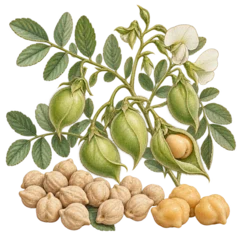
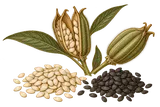
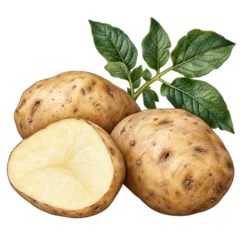
Potato · Chickpea · Sesame · Copper food comparison

FROM GRAIN TO TABLE

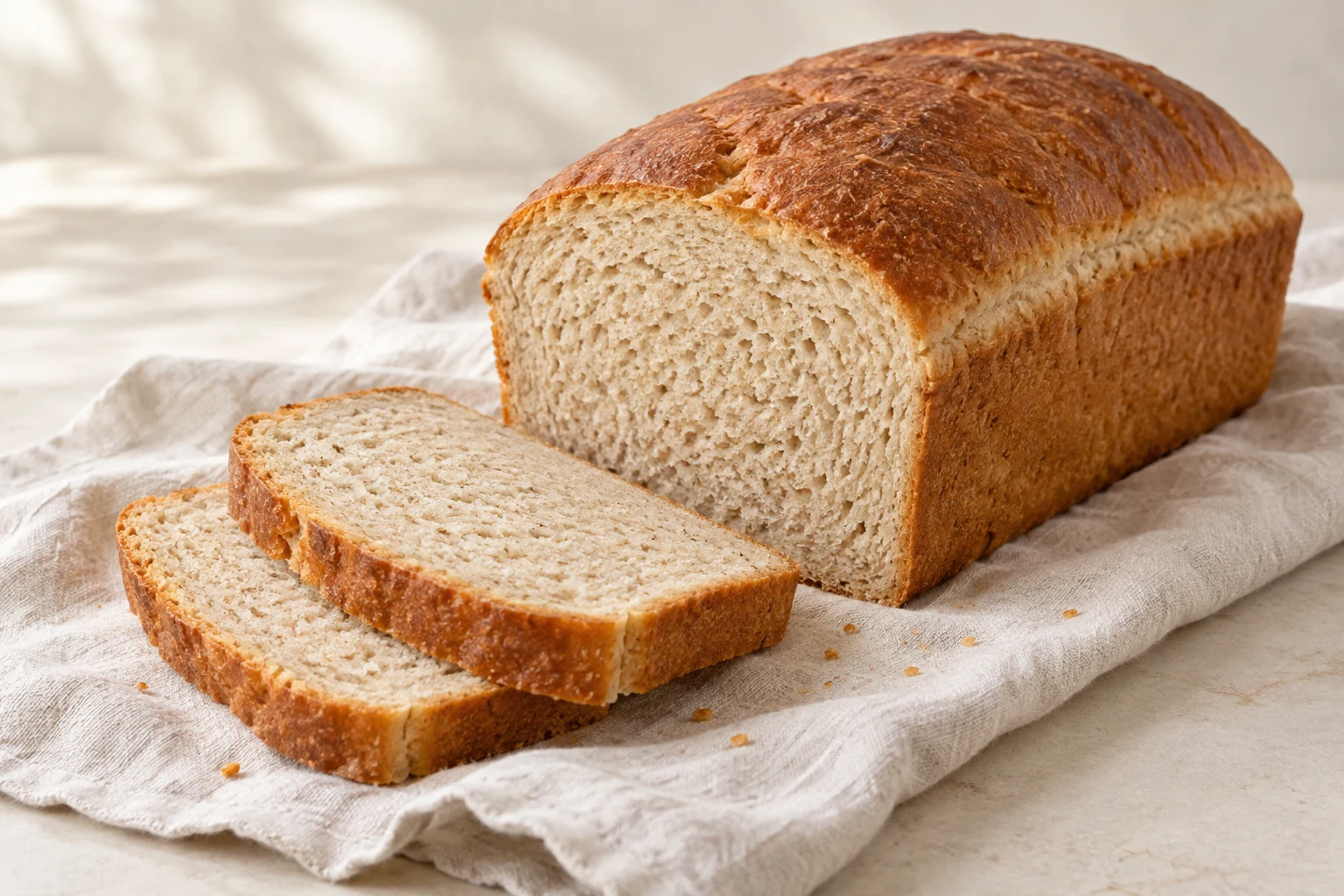
Ezekiel-inspired grain & legume bread

A modern adaptation, not yet kitchen-tested. The illustration shows an approximate appearance.

Read the illustrated recipe →
Approximate illustration of grain-and-legume bread

THE KITCHEN COLLECTION

From the kitchen notebook.

A few familiar leaves.
A whole range of possibilities.

THE SWEET ONE

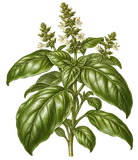
Basil

Ocimum basilicum

Sweet, peppery, and a little like cloves. A handful brings a fresh finish to tomatoes and warm pasta.

TRY IT WITHTomatoes · mozzarella · pasta

At the table

Tear fresh leaves over a tomato salad just before serving.

Growing notes

Choose a sunny position with well-drained soil. Keep moisture steady, and protect this tender herb from frost. Snip young leaves as you need them.

Basil guide · University of Minnesota
Read basil entry and cautions
THE FRESH ONE

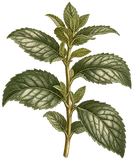
Peppermint leaf

Mentha × piperita

Fresh peppermint leaves bring a cool, fragrant note to the kitchen. This card and its saved entry cover the leaf, not peppermint oil.

TRY IT WITHCucumber · peas · fruit

At the table

Chop a few leaves into cucumber and yogurt with a squeeze of lemon.

Growing notes

Give mint its own container: it spreads vigorously. It tolerates light shade and likes consistent moisture, with drainage so roots do not sit in water.

Herb guide · University of Minnesota
Read peppermint leaf entry and cautions
THE BOLD ONE

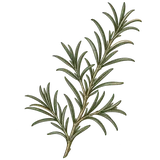
Rosemary

Salvia rosmarinus

Piney, resinous, and full of character. Its assertive flavor is a natural companion to roasted foods.

TRY IT WITHPotatoes · chicken · white beans

At the table

Finely chop a little rosemary and toss with potatoes before roasting.

Growing notes

Provide plenty of sun and excellent drainage. Keep the soil slightly moist rather than soggy, and check before watering. Cold tolerance varies by cultivar.

Herb care · University of Florida
Read rosemary entry and cautions
THE EARTHY ONE

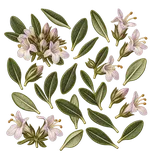
Thyme

Thymus vulgaris

Earthy, gently floral, and savory. Small leaves add depth to soups, beans, and roasted vegetables.

TRY IT WITHMushrooms · lentils · carrots

At the table

Add a sprig to simmering lentils, then remove the woody stem.

Growing notes

Choose a sunny spot and free-draining soil. Let the surface dry between waterings. Thyme is poorly suited to soil that stays wet.

Container guide · University of Maryland
Read thyme entry and cautions
THE BRIGHT ONE

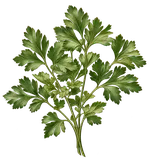
Parsley

Petroselinum crispum

Fresh, green, and lightly peppery. Flat-leaf and curly parsley both have a place beyond the garnish.

TRY IT WITHLemon · grains · chickpeas

At the table

Stir a generous handful into warm grains with lemon and olive oil.

Growing notes

Use a container with room for roots and drainage holes. Keep the soil consistently moist without waterlogging it, and provide good light.

Herb care · University of Florida
Read parsley entry and cautions
THE MILD ALLIUM

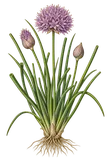
Chives

Allium schoenoprasum

A mild onion flavor in slender green leaves. An easy finishing touch for eggs, potatoes, and creamy dishes.

TRY IT WITHEggs · potatoes · soft cheese

At the table

Snip fresh chives over scrambled eggs just before serving.

Growing notes

Grow in sun or light shade with well-drained soil. Water regularly, and snip leaves as needed. Established clumps can be divided to make new plants.

Herb guide · University of Minnesota
Read chives entry and cautions

A GOOD PLACE TO BEGIN

Small garden.
Good beginnings.

Start with a herb you already love to eat. Give it the right conditions, then get to know it.

01

Find the light

Most culinary herbs need at least six hours of direct sun. A dim room usually needs a grow light; a windowsill alone is not a guarantee.

02

Use pots with drainage

Use pots with drainage holes. Check the soil before watering, and remember: mint and thyme have different moisture needs.

03

Make it local

Planting seasons depend on your climate. Check your local Extension guide before choosing an outdoor planting date.

BEHIND THE NOTEBOOK

The Herb Notebook™

The Herb Notebook brings together ingredient stories, food traditions and research you can check through source links. We help you learn where an idea comes from and what to watch for.

Reference edition 1.64 · Website updated 26 October 2026.
Entries and sections may have different review dates. What the dates mean.