


Key cautions
- Avoid with anise or related Apiaceae allergy; EMA also notes possible anethole sensitivity.
- Do not substitute unidentified star-shaped fruit or drink concentrated anise essential oil. Medicinal preparations need their own label and age precautions.
What’s inside
Trans-anethole contributes the familiar sweet, liquorice-like aroma. Fruits also contain nonvolatile plant material and fixed oil; composition changes with extraction.
Uses in brief

- Culinary flavouring
- Aniseed-flavoured drinks
- Traditional herbal infusion
History, folklore and reported uses
History, folklore and traditional uses
Traditional processing/use: Spain, including Chinchón aniseed-flavoured drinks, and European herbal-tea traditions.
Traditional, historical and reported uses
- Culinary flavouring
Food or household practiceWhy this label?
The linked sources document this material-specific use; no treatment outcome or universal safety is inferred.
NC State identifies the fruits as an aromatic culinary material. Their distinctive sweet scent is useful in prepared foods without implying that a dessert or spice serving is a medicine.
- Aniseed-flavoured drinks
Food or household practiceWhy this label?
The linked sources document this material-specific use; no treatment outcome or universal safety is inferred.
The European geographical-indication record includes Chinchón, Spain. This documents a regional processing tradition; it is not a recommendation to consume alcohol for health.
- Traditional herbal infusion
Traditional accountWhy this label?
The linked sources document this material-specific use; no treatment outcome or universal safety is inferred.
EMA recognises a long-standing European tradition for particular fruit preparations. Traditional-use conclusions should remain separate from claims supported by large clinical trials.
3 supported material-specific uses; practices are not proof of treatment efficacy.
Historical-use additions reviewed 2026-10-09
Women’s Health: traditions, evidence and cautions
Historical use does not establish benefit or safety. Pregnancy, breastfeeding and fertility care require particular caution: food, tea, essential oil and concentrated extract are not interchangeable. These records are not treatment, dosing or pregnancy-management instructions. Discuss supplements with a qualified clinician or pharmacist; do not delay evaluation of persistent symptoms.
Aniseed
Pimpinella anisum L.
- Plant part / material
- Dried fruit, commonly called seed
- Preparation studied or reported
- Food spice and herbal tea; not star anise or dill.
A West Bank survey documented anise during lactation for gas, colds and sleep; its milk-supply reputation is separately summarized by LactMed.
Lactation / milk-supply tradition
Limited human evidence
Reported or traditional useUsed in postpartum digestive/settling traditions and in purported galactagogue mixtures.
What the evidence supportsFew valid trials support increased milk supply. Evidence from mixed teas cannot establish a single-ingredient effect.
Anethole transfers into milk. Excessive fennel/anise-containing tea was associated with newborn toxicity; do not treat concentrated oils or large tea intakes as food-equivalent.
- The cited lactation evidence does not establish medicinal-use safety during pregnancy; postpartum traditions must not be extrapolated to pregnancy.
Regional reading paths
These sourced notes describe cultivation, trade, food traditions or material history. A regional connection does not claim exclusive origin.
Europe
Traditional processing/use: Spain, including Chinchón aniseed-flavoured drinks, and European herbal-tea traditions.
Dried aromatic fruits used in flavouring and herbal preparations.
Identity & detailed reference
Identity
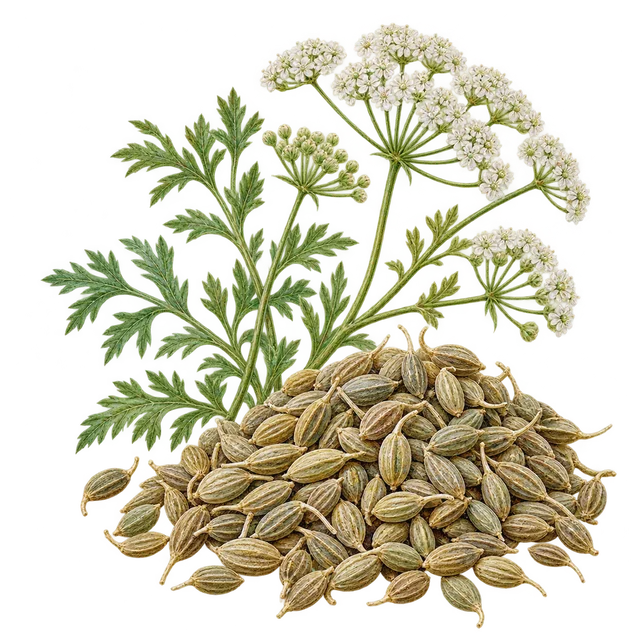
Aniseed is the dried fruit of Pimpinella anisum. It is botanically different from star anise, fennel and the dill called anise in some older English biblical translations.
Ingredient details, preparation and research
Also known as: Anise; Pimpinella anisum
Source plant or material
Pimpinella anisum L.
Plant family / material: Apiaceae
Forms and route
Whole or crushed culinary fruits; labelled herbal infusions. Essential oil, alcoholic extracts and anise-flavoured drinks are distinct preparations.
Vitamins and minerals
Seasoning amounts are small and should not be treated as a significant nutrient intervention. Alcoholic or sweetened anise drinks have their own composition.
Absorption and preparation
Crushing exposes aromatic material for flavour extraction. No required pairing or claim of improved mineral absorption is established here.
Practical preparation
Use correctly identified food-grade fruits in a recipe. Store whole fruits tightly closed and crush as needed. Herbal products should be used according to their own instructions.
Combination notes
Use for its own aroma rather than replacing another anise-scented plant by name alone.
Traditional and reported uses
- Culinary flavouring
- Aniseed-flavoured drinks
- Traditional herbal infusion
Contraindications and cautions
- Avoid with anise or related Apiaceae allergy; EMA also notes possible anethole sensitivity.
- Do not substitute unidentified star-shaped fruit or drink concentrated anise essential oil. Medicinal preparations need their own label and age precautions.
Similar items and how they compare
- Star anise
Both can have an anethole-like aroma.
Illicium verum and Pimpinella anisum are different plants.
Identity prevents false substitutions
Pimpinella belongs to Apiaceae. Star anise comes from Illicium, and culinary fennel is Foeniculum; a similar anethole aroma does not establish interchangeable species or safety.
Preparation-specific evidence
The EMA summary concerns dried or crushed fruit preparations and their associated precautions. It does not authorise applying those conclusions to essential oils, sweets or mixed alcoholic drinks.
Evidence limits
No medicinal dosing or infant-colic recommendation is provided. Flavouring history is not evidence of a disease cure.
Entry sources
- EMA: Anisi fructus
- EU Official Journal: Geographical indications including Chinchón aniseed-flavoured spirit, Spain
- NC State Extension: Pimpinella anisum
Reference entry 370 · Recorded content review: 2026-10-09 · Review scope and dates