


Key cautions
- Buy processed kernels intended for human food. Botanical-family membership cannot establish edibility of other seeds, and this card is not a wild-harvest guide.
- Discard moldy or rancid kernels and store ground meal carefully. Stop if the ingredient causes an allergic reaction or unusual irritation.
What’s inside
Fat, protein and minerals, with a characteristic seed flavor. Boiling and roasting alter measured composition and functional properties rather than simply making every seed form identical.
Uses in brief

- Sauce ingredient
History, folklore and reported uses
History, folklore and traditional uses
Native/traded: Cameroon and Central African Republic.
Cameroon forest-product records document the kernels as a market food. Purchasing a properly processed food product is distinct from trying to identify or crack unknown forest seeds.
Traditional, historical and reported uses
- Sauce ingredient
Food or household practiceWhy this label?
The source supports the named food, cosmetic or material practice; no treatment effect is inferred and the card’s form and safety limits remain attached.
FAO records kernel powder or paste in fish, meat and vegetable dishes. The kernel enriches and flavors cooking; its use does not establish a therapeutic claim.
1 sourced featured uses; cultural or material records are not clinical efficacy evidence.
Historical-use additions reviewed 2026-10-09
Regional reading paths
These sourced notes describe cultivation, trade, food traditions or material history. A regional connection does not claim exclusive origin.
Africa
Native/traded: Cameroon and Central African Republic.
Processed kernels ground to flavor and enrich sauces.
Identity & detailed reference
Identity
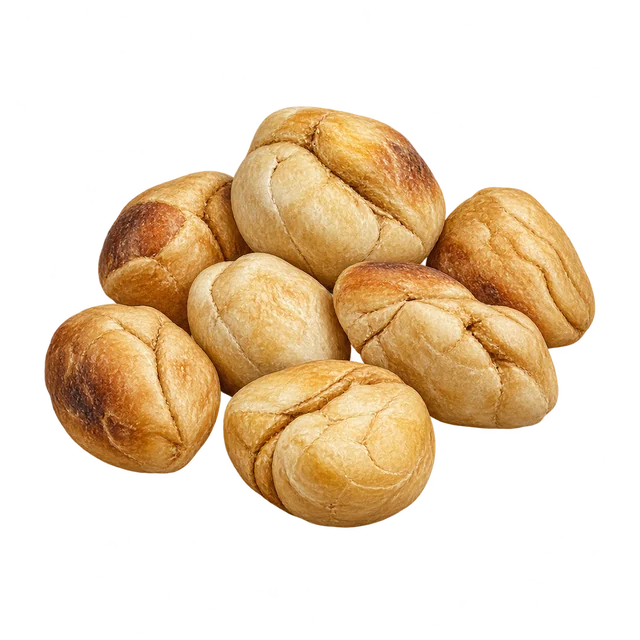
The processed edible kernels of Ricinodendron heudelotii, called njansang, djansang, essessang or akpi. The tough outer fruit and seed coverings are not the culinary kernel; unrelated Euphorbiaceae seeds are not substitutes.
Ingredient details, preparation and research
Source plant or material
Ricinodendron heudelotii
Plant family / material: Euphorbiaceae
Forms and route
Dried processed kernels, ground powder or paste used in cooked dishes. Expressed oil and raw unidentified seeds require separate identification and assessment.
Vitamins and minerals
Njansang adds fat and protein, but the amount actually used in a sauce determines its contribution. Whole-kernel nutrient claims do not apply directly to an extracted oil.
Absorption and preparation
Cooking changes the matrix, while mineral and laboratory digestibility measurements cannot fully predict absorption from a mixed meal. No medicinal pairing is established.
Practical preparation
Use labeled dried culinary kernels or meal in an established cooked recipe. Grind small amounts, keep remaining stock cool and dry, and refrigerate prepared sauces.
Traditional and reported uses
- Sauce ingredient
Contraindications and cautions
- Buy processed kernels intended for human food. Botanical-family membership cannot establish edibility of other seeds, and this card is not a wild-harvest guide.
- Discard moldy or rancid kernels and store ground meal carefully. Stop if the ingredient causes an allergic reaction or unusual irritation.
Processing changes functional properties
A Cameroon study directly compared boiling and roasting effects on djansang seeds. These are food-technology results; they do not prove disease prevention, define a therapeutic intake or certify every traditional processing method.
Evidence limits
A prepared-kernel food profile, not a seed-identification method, oil supplement review or home raw-seed processing protocol.
Entry sources
- FAO: Central African non-wood forest products, njansang
- FAO: Non-wood forest products in Africa, Cameroon
- Effect of boiling and roasting on Djansang seed physicochemical properties
Reference entry 310 · Recorded content review: 2026-10-09 · Review scope and dates