


Key cautions
- Glycyrrhizin can cause hypertension, low potassium and dangerous heart rhythms. Check all medicines and avoid stacking licorice products.
- Medicinal use is not recommended in pregnancy, breastfeeding or children. DGL is different and is not a blanket safety guarantee.
What’s inside
Roots contain glycyrrhizin (a triterpene saponin), liquiritin-related flavonoids and other polyphenols. Species profiles differ; DGL processing removes most glycyrrhizin rather than all constituents.
EMA: Licorice root, final assessment report revision 1, 2026 · NCCIH: Licorice Root
Uses in brief

- Traditional soothing of throat/digestive complaints and help bringing up mucus with a cold-related cough.
- Preliminary human findings apply to specific mouth-rinse or topical products, not every licorice preparation.
History, folklore and reported uses
Coughs and phlegm
Licorice-root extracts in Pontefract were sold for coughs, while Chinese gan cao preparations had a phlegm-clearing and cough-relieving role. NCCIH records respiratory uses, including asthma, across older Mediterranean and Asian medicine; different traditions used different Glycyrrhiza species and preparations.
Wakefield Museums: How liquorice got its roots in Pontefract · NCCIH: Licorice Root · Hong Kong Polytechnic University: Liquorice Root, traditional Chinese medicine profile
Stomach complaints
Medicinal root extracts sold in Pontefract, England, were also used for stomach complaints. This digestive reputation continues in natural-medicine products, although traditional whole-root preparations and modern deglycyrrhizinated licorice are different materials.
Wakefield Museums: How liquorice got its roots in Pontefract · NCCIH: Licorice Root
Weakness and a restorative tonic
Traditional Chinese medicine classifies dried licorice root and rhizome as a tonic for weakness within its framework of qi, or vital energy, and “spleen-and-stomach” patterns. Modern energy-support promotion, noted by NCCIH, echoes this restorative role without being identical to it.
Hong Kong Polytechnic University: Liquorice Root, traditional Chinese medicine profile · NCCIH: Licorice Root
Spasmodic pain
Hong Kong Polytechnic University’s traditional profile records gan cao for cramping pain of the upper abdomen, belly and limbs. The same profile describes its formula role as moderating the actions of other medicines.
Hong Kong Polytechnic University: Liquorice Root, traditional Chinese medicine profile
Sores, wounds and skin complaints
NCCIH records wound-healing uses in licorice’s older medicinal history and modern promotion of topical root products for skin complaints. The Chinese gan cao tradition likewise includes carbuncles and sores in its historical indications.
NCCIH: Licorice Root · Hong Kong Polytechnic University: Liquorice Root, traditional Chinese medicine profile
Pontefract liquorice confectionery
Wakefield Museums traces cultivation in Pontefract, England, to the sixteenth century. Crusaders and Dominican monks appear in competing arrival stories, not a settled origin. Deep soil suited the long roots, and by the eighteenth century even the castle grounds were planted. Apothecary George Dunhill is credited with sweetening medicinal extract in the 1760s, helping turn a pastille into Pontefract Cakes and a confectionery industry.
Wakefield Museums: How liquorice got its roots in Pontefract · Wakefield Museums and Castles: Liquorice farming
Gaziantep meyan sherbet
Türkiye’s culture ministry identifies Glycyrrhiza glabra in Antep meyan şerbeti from Gaziantep, Türkiye, a summer drink also served during Ramadan, the Muslim month of fasting, flavoured with cinnamon, clove and rosewater. Its distribution as charity is also documented.
Türkiye Ministry of Culture and Tourism: Antep Meyan Şerbeti
A name on a sweet is not an identity
Some sweets called licorice are flavoured with anise rather than this plant. Modern deglycyrrhizinated licorice, or DGL, has had most of its glycyrrhizin removed, so it differs from the unchanged historical root.
Health topics: evidence and cautions
These notes describe a specific research context and preparation. A topic link is not a treatment recommendation.
Cardiovascular health · Safety reference
Form and route: Glycyrrhizin-containing oral products · oral
Licorice can worsen high blood pressure and disturb heart rhythm.
Evidence: agency_safety_review
Glycyrrhizin can cause serious cardiac harms, especially with heart or kidney disease.
Limits
DGL has much glycyrrhizin removed and is a different product; neither is a heart treatment.
Cautions
- Avoid using regular licorice to treat cardiovascular symptoms. Check teas and supplements for hidden licorice.
Identity & detailed reference
Identity
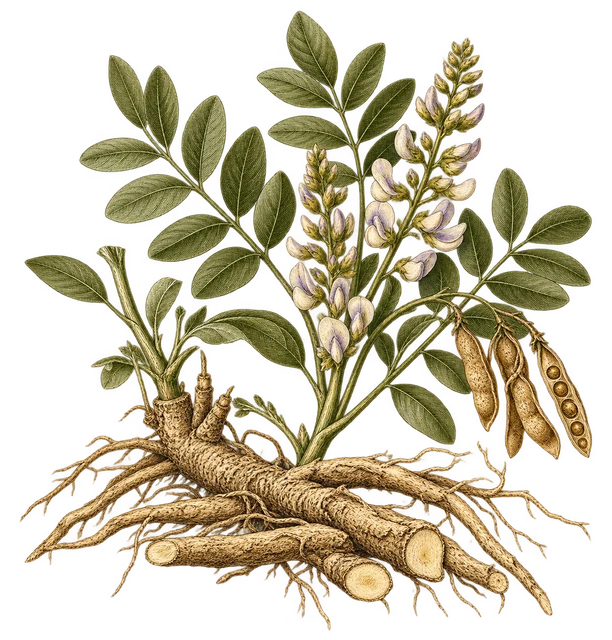
Glycyrrhiza glabra L., G. uralensis Fisch. or G. inflata Bat.; roots and stolons. Glycyrrhizin-containing licorice and deglycyrrhizinated licorice (DGL) are different materials.
Ingredient details, preparation and research
Source plant or material
Glycyrrhiza glabra L., G. uralensis Fisch. or G. inflata Bat.; dried roots and stolons (horizontal stems).
Plant family / material: Fabaceae (legume/pea family).
Forms and route
Oral root tea, specified water extracts, other extracts/tinctures, lozenges and DGL products; separate topical or mouth-rinse preparations. A regular tincture is not DGL unless specified. Some licorice-flavored sweets contain anise rather than licorice.
Vitamins and minerals
Root tea, tinctures and DGL extracts have no dependable generic vitamin/mineral serving. Use a product’s nutrition label if relevant; root grams, teaspoon volumes and glycyrrhizin exposure cannot be interchanged. Licorice can lower blood potassium and should not be treated as a mineral supplement.
Absorption and preparation
After oral use, glycyrrhizin is converted to metabolites including glycyrrhetinic acid that can enter the circulation. Extract composition changes exposure; maximizing absorption is not desirable given blood-pressure and electrolyte risks. DGL is a different formulation, not a method for improving uptake.
Traditional and reported uses
- Traditional use across Chinese, Indian, Mediterranean and other practices for cough and soothing throat/digestive complaints.
- EMA traditional uses for specified oral preparations: digestive burning/dyspepsia and an expectorant role in cold-related cough.
- Preliminary human studies concern particular mouth rinses, lozenges and topical products; benefit cannot be generalized to ordinary root tea.
Contraindications and cautions
- Glycyrrhizin can cause fluid/sodium retention, high blood pressure, low potassium and dangerous heart-rhythm disturbances. Avoid unsupervised use with hypertension, heart/kidney/liver disease or low potassium.
- Important interactions include potassium-lowering diuretics, digoxin/cardiac glycosides, corticosteroids and stimulant laxatives. Licorice may oppose blood-pressure medicines; EMA also flags medicines broken down by the liver enzyme CYP3A4 for review.
- Do not stack licorice medicines with other licorice-containing teas, supplements or foods. Total glycyrrhizin exposure varies and can accumulate.
- DGL removes much of the glycyrrhizin but does not establish product quality, digestive benefit or universal safety.
- Medicinal oral use is not recommended during pregnancy, breastfeeding or under 18. EMA also advises against use in people who could become pregnant and are not using contraception.
- Stop and obtain prompt medical advice for new swelling, weakness or palpitations; severe symptoms need urgent care. Topical products can irritate skin.
Similar items and how they compare
- Marshmallow root
Both roots are used in soothing throat and digestive preparations, including teas and syrups, within long-standing herbal practice.
Licorice has glycyrrhizin-related blood-pressure risks; marshmallow emphasizes water-extracted mucilage and medicine absorption.
- Sweet fennel
Both appear in traditionally flavored digestive or cough mixtures and have a sweet or licorice-like sensory character.
Fennel aroma comes mainly from anethole; licorice sweetness involves glycyrrhizin, with different risks.
Identity, family and forms
Medicinal licorice uses roots and stolons of Glycyrrhiza glabra, G. inflata or G. uralensis, in Fabaceae. EMA’s current monograph covers cut root for oral tea and specified water extracts. Other tinctures, lozenges, DGL, rinses and topical gels need their own assessment; anise-flavored candy may contain no licorice.
Constituents and DGL
Glycyrrhizin is a sweet triterpene saponin; liquiritin-related flavonoids and chalcones are other constituents. Species and processing change the profile. DGL processing removes glycyrrhizin to reduce its characteristic risks, but residual content and product quality matter. A DGL label does not prove effectiveness or suitability for everyone.
Traditional knowledge and evidence boundaries
Chinese and Indian traditions describe soothing throat/cough and digestive uses; Mediterranean and European use also has a long record. EMA’s 2026 indications remain traditional-use ones for dyspepsia/burning digestive symptoms and cold-related cough. Laboratory anti-inflammatory or antimicrobial results do not make licorice tea a proven treatment for infections, ulcers or systemic disease.
Human findings are preparation-specific
Small studies of licorice rinses, gargles, lozenges or topical gels suggest possible benefits for mouth ulcers, sore throat after a breathing tube has been used or some skin symptoms. NCCIH says high-quality evidence is insufficient for a clear health-condition claim and that digestive benefit from licorice alone remains unclear. Results from blends or DGL cannot be assigned unchanged to whole-root tea.
Blood pressure, potassium and total exposure
This is a demonstrated physiological risk, not only a laboratory concern. In a 28-person randomized crossover trial, two weeks of licorice containing 100 mg/day glycyrrhizic acid raised home systolic blood pressure and suppressed renin/aldosterone. That experimental exposure is not a recommended dose or a universal safe limit. EMA warns against combining licorice medication with other licorice products; higher-risk people may react to smaller exposures.
Medicines and health conditions
EMA advises against medicinal use with hypertension, low potassium, cardiovascular, kidney or liver disorders. Diuretics, cardiac glycosides such as digoxin, corticosteroids, stimulant laxatives and other electrolyte-altering medicines can increase risk. Licorice may counter blood-pressure treatment and affect CYP3A4 drug exposure. A pharmacist should review the actual product and medicine list.
Pregnancy, breastfeeding and children
The 2026 EMA monograph does not recommend medicinal use in pregnancy, breastfeeding or people under 18; it also advises avoidance when pregnancy is possible without contraception. Glycyrrhizin has been detected in some breast-milk samples, but infant effects remain unknown. These cautions do not become irrelevant simply because a product is a tea.
Absorption and food-sized nutrition
Human pharmacokinetic work detected glycyrrhetinic acid after oral glycyrrhizin; whole-root extracts and isolated constituents need not behave identically. No absorption-boosting recipe is justified here. Tea, tincture and DGL are not dependable vitamin/mineral sources, and no universal teaspoon weight or nutrient serving is assigned. Use product-specific information rather than treating root weight as glycyrrhizin content.
Similar items
Marshmallow root is another traditional soothing root preparation but relies chiefly on mucilage and has different medicine-absorption considerations. Sweet fennel contributes an anethole-rich aroma rather than glycyrrhizin-related sweetness; it has its own estragole and allergy cautions. These comparisons explain differences, not a recommended blend.
Entry sources
- NCCIH: Licorice Root, updated April 2025
- EMA: Licorice root, final monograph revision 1, adopted 4 March 2026
- Af Geijerstam et al. Daily licorice exposure and home blood pressure, randomized crossover trial, 2024
- Kew Plants of the World Online: Glycyrrhiza and its Fabaceae classification
- EMA: Licorice root, final assessment report revision 1, 2026
- Yamamura et al. Human glycyrrhizin and metabolite pharmacokinetics, 1992
- Cantelli-Forti et al. Interaction of licorice on glycyrrhizin pharmacokinetics, 1994
- EMA: Marshmallow root monograph, mucilage preparations and medicine-absorption precautions
- EMA: Sweet fennel fruit, final monograph revision 1, 31 January 2024
- ESCOP: Herb–drug interaction table
- Egyptian Drug Authority: Licorice monograph, pp. 390–396
- Wakefield Museums and Castles: Liquorice farming
- Türkiye Ministry of Culture and Tourism: Antep Meyan Şerbeti
Reference entry 09 · Recorded content review: 2026-10-05 · Review scope and dates