


Key cautions
- Do not inhale hot steam as cancer treatment.
- Do not delay evaluation of hoarseness, swallowing trouble or a neck lump. The reported preparation has no established clinical safety.
What’s inside
The interview survey did not chemically characterize the reported preparation. No carvacrol or thymol content is assigned from other oregano species.
Uses in brief

- An ethnobotanical record names Origanum jordanicum leaf vapor use for lung and throat cancers; benefit was not tested.
History, folklore and reported uses
History, folklore and traditional uses
The 2016 West Bank survey recorded leaf vapor use for lung and throat cancers. These were informant reports, not verified clinical outcomes.
Traditional, historical and reported uses
- Reported lung and throat use
Traditional accountWhy this label?
Documents this named use; does not support broader disease claims or interchangeable formulations.
The 2016 West Bank survey recorded leaf vapor use for lung and throat cancers. These were informant reports, not verified clinical outcomes.
Only documented uses are included. Historical practice does not establish clinical benefit or safe home use.
Story sources
Health topics: evidence and cautions
These notes describe a specific research context and preparation. A topic link is not a treatment recommendation.
Cancer by type · Traditional reports
Form and route: Historical vapor preparation; not a recommendation · inhalation; historical record only
A West Bank survey recorded use for lung and throat cancers.
Evidence: Ethnobotanical survey only
The word throat was not narrowed to a confirmed site or subtype.
Limits
No measured treatment benefit; not interchangeable with other oregano or thyme species.
Cautions
- Do not inhale hot steam as cancer treatment.
Identity & detailed reference
Identity
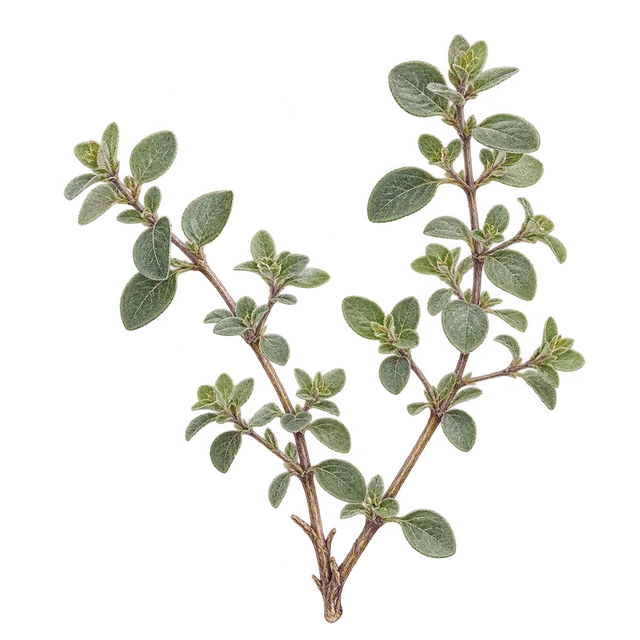
Origanum jordanicum leaves as reported in the West Bank survey. Kew accepts this species; it is not interchangeable with common oregano or culinary thyme.
Ingredient details, preparation and research
Source plant or material
Origanum jordanicum leaves as reported in the West Bank survey. Kew accepts this species; it is not interchangeable with common oregano or culinary thyme.
Plant family / material: Lamiaceae
Forms and route
Historical vapor-use record only; no inhalation recipe or home treatment is recommended.
Absorption and preparation
The survey measured no inhaled dose or absorption. It cannot show that plant vapor reaches or treats a tumor.
Traditional and reported uses
- An ethnobotanical record names Origanum jordanicum leaf vapor use for lung and throat cancers; benefit was not tested.
Contraindications and cautions
- Do not inhale hot steam as cancer treatment.
- Do not delay evaluation of hoarseness, swallowing trouble or a neck lump. The reported preparation has no established clinical safety.
A named species, not generic oregano
Kew recognizes Origanum jordanicum in Lamiaceae. A common label such as thyme or zaatar cannot identify this exact material.
What remains unknown
The survey does not define throat anatomy, cancer stage, delivered chemical exposure or safety. Findings on other Origanum species cannot fill those gaps.
Evidence limits
- No measured treatment benefit; not interchangeable with other oregano or thyme species.
Entry sources
Reference entry 583 · Recorded content review: 2026-10-11 · Review scope and dates