


Key cautions
- Buckwheat can cause food allergy. Naturally gluten-free seed does not guarantee a flour or noodle is free of wheat ingredients or cross-contact.
- Use mature food grain; this card does not establish the safety of large amounts of green plant material or sprouts.
What’s inside
Starch, protein and fiber, with plant phenolics that vary by species and milling. Whole groats and refined or blended flour differ in composition.
Uses in brief

- Cooked groats and regional flour foods
- Breton buckwheat flour
History, folklore and reported uses
History, folklore and traditional uses
FAO records buckwheat among important Nepalese foods. INAO documents Brittany’s blé noir flour tradition, an introduced crop’s regional processing identity rather than a claim of European botanical origin.
Traditional, historical and reported uses
- Cooked groats and regional flour foods
Food or household practiceWhy this label?
The cited source documents this material, preparation or cultural practice; it does not establish treatment efficacy.
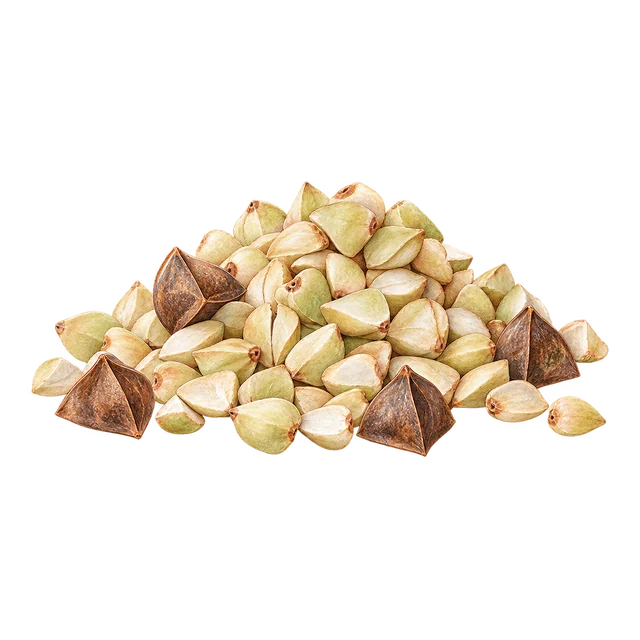
Hulled seeds can be prepared as a grain-like staple or ground for cooking. Himalayan examples include both common and Tartary buckwheat, so the species should be identified when relevant.
- Breton buckwheat flour
Food or household practiceWhy this label?
The cited source documents this material, preparation or cultural practice; it does not establish treatment efficacy.
Brittany’s protected flour tradition is associated with blé noir and galette-style foods. A prepared galette recipe may contain other ingredients; check the full formulation.
2 supported featured food or cultural uses; no treatment claim.
Historical-use additions reviewed 2026-10-09
Regional reading paths
These sourced notes describe cultivation, trade, food traditions or material history. A regional connection does not claim exclusive origin.
Asia
Cultivated/traditional food: Nepal and other Himalayan areas.
Grain-like seeds prepared as flour or cooked groats.
Europe
Introduced/cultivated and traditional processing: Brittany, France, including blé noir flour.
Pseudocereal groats and flour used in galettes and other foods; not a wheat species.
Identity & detailed reference
Identity
Food seeds of Fagopyrum esculentum and F. tataricum. Buckwheat is a pseudocereal, not wheat; common and Tartary buckwheat remain different species within this overview.
Ingredient details, preparation and research
Also known as: Fagopyrum esculentum; Fagopyrum tataricum; Blé noir; Sarrasin
Source plant or material
Fagopyrum esculentum and Fagopyrum tataricum
Plant family / material: Polygonaceae
Forms and route
Hulled groats, roasted groats and flour used in cooked foods. Leaves, flowering tops, sprouts and concentrated rutin preparations are not equivalent to mature edible grain.
Vitamins and minerals
No universal nutrient amount is assigned across common/Tartary species, groats and flour. Added wheat, sugar, butter or sauces change the finished dish.
Absorption and preparation
Cooking makes the starch-containing food digestible. Rutin content or an antioxidant assay does not establish how much is absorbed or a treatment effect.
Practical preparation
Choose groats or food flour from a reliable source, rinse grain as the package directs and cook thoroughly. Store flour dry and protected from rancidity; refrigerate cooked leftovers promptly.
Combination notes
Prepare with savoury or sweet ingredients according to regional recipes, while checking flour blends and allergens.
Traditional and reported uses
- Cooked groats and regional flour foods
- Breton buckwheat flour
Contraindications and cautions
- Buckwheat can cause food allergy. Naturally gluten-free seed does not guarantee a flour or noodle is free of wheat ingredients or cross-contact.
- Use mature food grain; this card does not establish the safety of large amounts of green plant material or sprouts.
A botanical distinction with practical consequences
Kew places common buckwheat in Polygonaceae. That separates it from cereal grasses such as wheat, but taxonomy alone cannot certify the gluten status of a manufactured product.
Evidence limits
Food-grain overview; no supplement, raw-sprout or therapeutic rutin recommendation.
Entry sources
- FAO: Underutilized indigenous food resources in Asia and the Pacific
- INAO: Farine de blé noir de Bretagne
- Kew POWO: Fagopyrum esculentum
- NC State Extension: Buckwheat
Reference entry 353 · Recorded content review: 2026-10-09 · Review scope and dates