

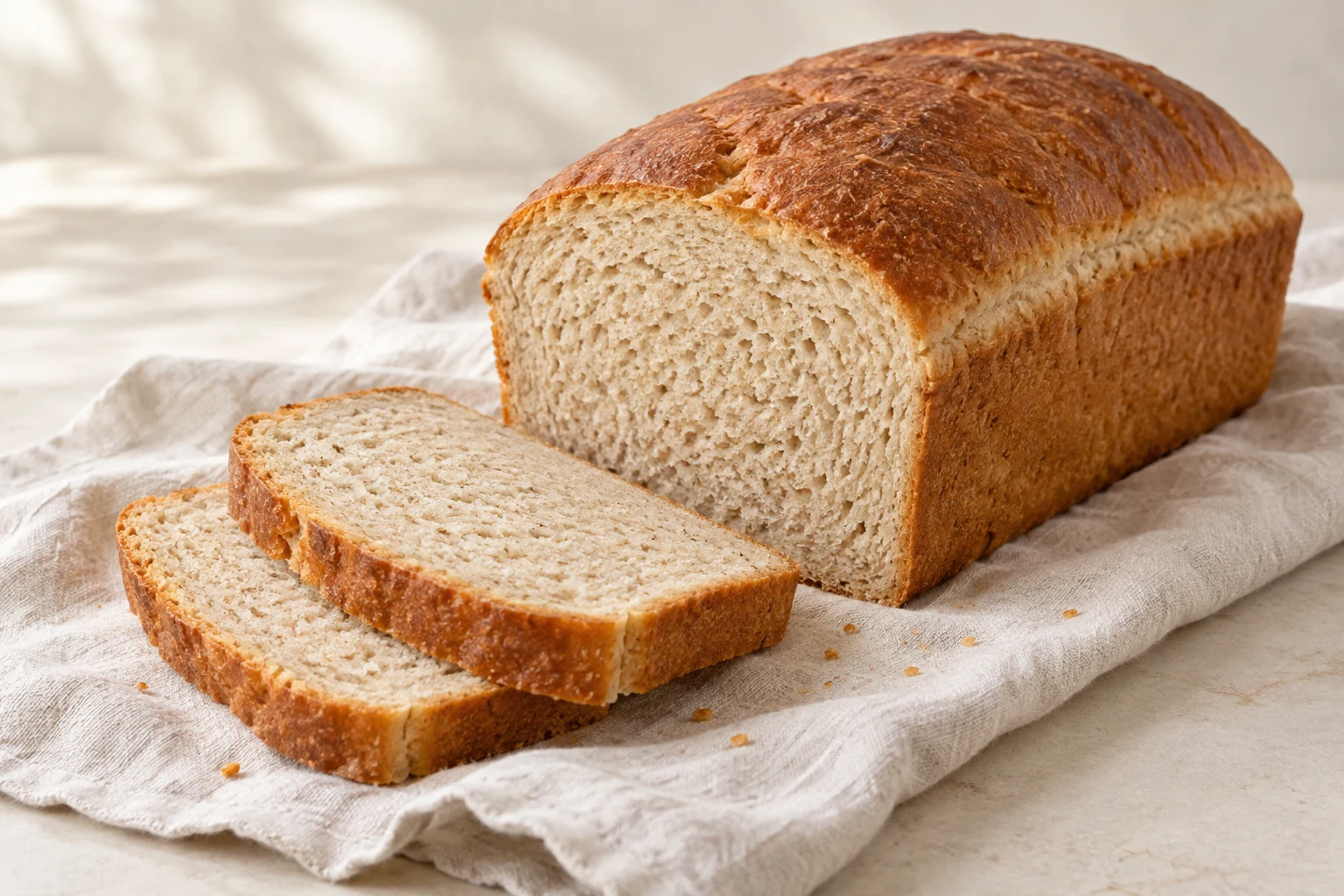
FROM THE RECIPE NOTEBOOK
Ezekiel-inspired grain & legume bread
Modern adaptation · Not yet kitchen-tested. Image shows an approximate appearance.
Read the illustrated recipe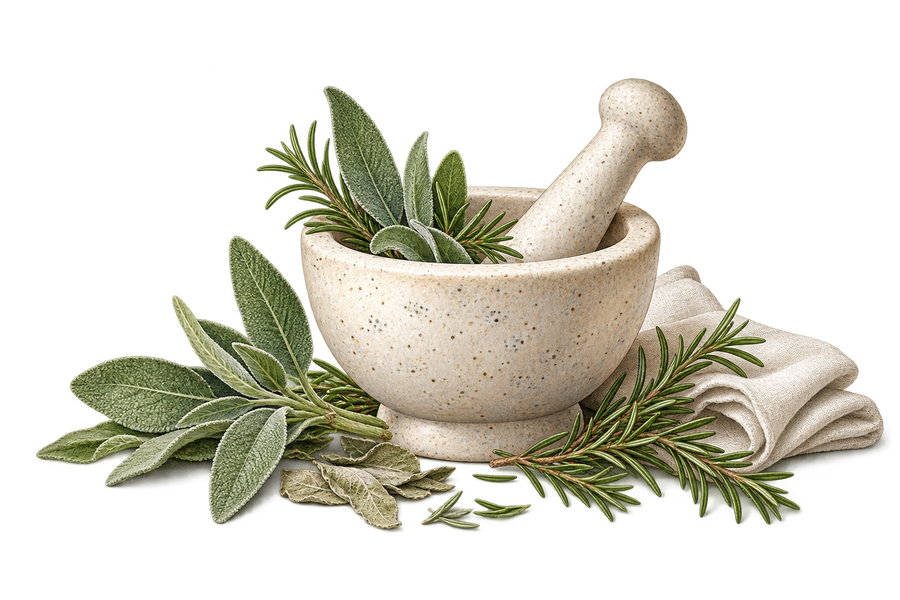
The same ingredient can behave
differently in another form.
FROM THE RECIPE NOTEBOOK
Modern adaptation · Not yet kitchen-tested. Image shows an approximate appearance.
Read the illustrated recipe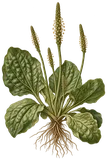 EXTERNAL USEFresh leaf bite poulticePlant identity, preparation steps and skin cautions.View preparation →Close details ↑
A single-use traditional-style poultice for one small, uncomplicated mosquito bite on an adult’s intact skin. NC State Extension records traditional bite-and-sting use of Plantago major leaves. This practical adaptation is not clinically validated; its quantities and contact time are not established medicinal doses.
Gather: about 1 level teaspoon finely chopped fresh broadleaf plantain (Plantago major) leaf, clean gauze and a clean spoon or mortar. Use correctly identified cultivated, unsprayed leaves from a reputable grower; avoid roadsides, treated lawns and animal-fouled ground. This herb is unrelated to banana-like cooking plantain.
1. Wash your hands and utensils. Gently wash the bite with soap and water, then pat dry. Rinse the leaves under clean running water.
2. Finely chop and crush the leaf into a moist mash. Add 2–3 drops of clean drinking water only if needed. Do not chew the leaves or add essential oils, spices or vitamin powders.
3. Place a thin dab over the bite and hold loosely with clean gauze for 5–10 minutes. Remove, rinse gently and pat dry. Discard all the mash immediately; do not store it, leave it on overnight or pack fresh wet leaves into oil for later use.
Optional cooling: before the poultice, apply a cold pack wrapped in a cloth for 10 minutes. Any relief from the poultice may partly come from cool, moist contact; it has not been shown to work better than a plain cold compress.
Cautions: fresh washed leaves are not sterile. Avoid open, weeping, infected or extensively inflamed skin, eyes, mouth and genitals. Avoid known plantain allergy. Stop and rinse if burning, increasing itch, redness, swelling or rash develops; a small test spot cannot rule out delayed allergy. Seek medical advice for increasing heat, pain, spreading redness, pus or fever. Breathing trouble, faintness or sudden mouth/tongue/throat swelling requires emergency help. This poultice is not for tick bites, venomous bites or serious reactions.
Start with washing and a cold pack wrapped in cloth for 10 minutes. If you choose the plantain tradition, the saved small, brief, single-use method is a sensible household example. There is no need to make it stronger.
Use a 5 mL measuring teaspoon for the leaf volume; no leaf weight or active-ingredient dose is implied. The saved quantities, water drops and 5–10-minute contact time are practical household choices, not a tested medicinal regimen. This adult example does not establish safety in pregnancy or breastfeeding. Washing leaves does not make a sterile dressing.
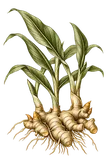 FOOD & DRINKGinger–fennel culinary teaIngredients, kitchen method and form-specific cautions.View preparation →Close details ↑
Purpose and scope: a warm, lightly aromatic drink for an adult who enjoys ginger and fennel after food. Ginger has a folk digestive tradition; sweet-fennel fruit has documented European traditional use for mild cramps, bloating and gas. This particular two-ingredient cup is a culinary adaptation, not a clinically tested combination or a validated medicinal dose.
What you need: 1 level teaspoon finely minced fresh ginger rhizome (Zingiber officinale); ½ level teaspoon whole dried sweet-fennel fruit, commonly called seed (Foeniculum vulgare subsp. vulgare var. dulce); and 350 mL (about 12 US fluid ounces) drinking water. Buy food-grade ingredients from a traceable supplier. Use a 5 mL measuring teaspoon; the fennel is measured before crushing. No spoon-to-gram conversion is assumed.
Equipment and yield: a clean knife and board, spoon or mortar, kettle, heatproof mug of at least 400 mL capacity, lid or saucer, and fine tea strainer. Makes one large cup, a little less than 350 mL after straining.
1. Wash your hands and utensils. Rinse the fresh ginger under running water, peel if desired, and mince it finely. Lightly crack the measured fennel with the spoon or mortar.
2. Put both ingredients in the strainer in the mug. Bring the measured water to a rolling boil, pour it over the herbs, and cover. Steep for 10 minutes. Follow a packaged ingredient’s preparation instructions if they require a longer steep.
3. Lift out the strainer and let the drink cool to a comfortable sipping temperature. Drink it freshly made. Discard the spent herbs and any leftover tea after this serving; this pilot assigns no refrigerated or room-temperature storage life.
Quantity basis: dietitian Nichole Dandrea-Russert’s published culinary tea uses 1 teaspoon each of fresh minced ginger and dried fennel seed (variety unspecified) in 12 US fluid ounces, about 355 mL, of water, with chamomile and optional lemon. This version omits chamomile and lemon, specifies sweet fennel, uses half as much fennel by volume, lightly cracks it and rounds the water to 350 mL. These are transparent culinary adaptations, not evidence-based dose adjustments or a demonstrated safe estragole threshold.
My pick: keep it as an occasional cup for its flavor and warmth, without turning it into a daily digestive treatment. A tea cannot digest lactose or make a milk-containing meal lactose-free; lactose management uses food choices and, where appropriate, lactase.
General cautions and advisory: avoid with ginger or fennel allergy, known Apiaceae-family allergy (for example celery or coriander), anethole allergy, or mugwort-pollen allergy. Ginger can cause heartburn or mouth/stomach irritation; stop if the drink causes irritation or a rash. This pilot is for adults and is not recommended during pregnancy or breastfeeding. Check with a pharmacist before using herbs medicinally alongside medicines; seek assessment for persistent or worsening digestive symptoms.
Fennel-specific note: the adopted February 2026 EU medicinal entry retains traditional fennel use and says to minimize estragole exposure. EFSA’s separate July 2025 food-risk draft could not establish a safe exposure level. Estragole varies between batches, so this occasional culinary recipe has no certified safe-dose threshold. Keep it occasional rather than concentrated or prolonged; the draft assessment is not an adopted ban on ordinary culinary use.
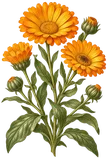 EXTERNAL USEFresh calendula skin compressPreparation notes and limits for external use.View preparation →Close details ↑
Purpose and scope: a freshly brewed flower infusion for a small area of an adult’s intact, mildly irritated skin. Calendula has a documented European skin-care tradition. This household guide narrows the EMA traditional-use dressing to intact skin; it is not a sterile wound-care product.
What you need: 1.0 g dried, cut Calendula officinalis flowers and 150 mL (about 5 US fluid ounces) drinking water. Use clearly labeled flowers intended for herbal infusions from a traceable supplier. Pot marigold is the intended plant; ornamental Tagetes marigolds and calendula seed oil are different materials.
Equipment and yield: a scale suitable for weighing 1 g (ideally reading to 0.1 g), or one labeled 1 g calendula-only sachet; a measuring jug, kettle, heatproof cup and lid, fine strainer, clean small bowl, and clean gauze or a freshly laundered soft cloth. Makes slightly less than 150 mL, enough for one small compress session. No universal teaspoon weight is supplied for these fluffy flowers.
1. Wash your hands and clean the equipment. Put the weighed flowers in the heatproof cup. Pour over 150 mL freshly boiling water, cover, and steep for 10 minutes, unless the labeled product specifies otherwise.
2. Strain into the clean bowl and allow to cool, covered, until comfortably lukewarm or cool. Check the temperature before skin contact. Boiling-water preparation reduces contamination; it does not turn this into a sterile infusion.
3. Wet a fresh piece of gauze or the clean cloth with the cooled infusion, squeeze gently, and lay it loosely on the small area. Remove after 30 minutes, or immediately if it stings, itches more or causes redness or swelling. Do not cover it with an airtight dressing or leave it on overnight.
4. Pat the area dry gently. Discard the flowers, used gauze and all remaining infusion at the end of the session; launder a reusable cloth before reuse. Do not put a used cloth back into the infusion. Make a new batch if used again rather than storing this unpreserved water preparation.
Quantity and timing basis: 1 g in 150 mL is the lower end of EMA’s 1–2 g traditional dressing preparation. EMA says to remove the dressing after 30–60 minutes of skin contact; this guide uses 30 minutes. The 10-minute steep fits EMA’s general 5–15-minute infusion method. Adult-only, intact-skin use, cooling and immediate discard are practical household boundaries; this is not a clinically validated home recipe.
My pick: use a small single-flower batch, weighed or preweighed, for someone specifically wanting to try the calendula tradition. For ongoing skin care, a finished product with clear directions is more convenient than repeatedly making and storing tea.
General cautions and advisory: avoid known calendula or Asteraceae-family allergy. Keep it away from eyes, mouth, genitals and broken, blistered, weeping or infected skin. Stop for a reaction; a small test area cannot exclude delayed allergy. Pregnancy/breastfeeding use is not recommended. Obtain advice if the skin worsens or remains irritated beyond a week, and sooner for spreading redness, warmth, pain, pus or fever.
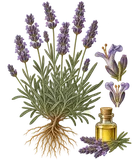 REFERENCE GUIDEAroma constituents: linaloolA constituent reference with sources and cautions.Read guide →Close details ↑
Linalool is a floral-scented monoterpene alcohol found in many aromatic plants. Examples include lavender flowering tops, coriander seed, clary sage, and linalool-rich types of sweet basil and thyme. Oregano and sweet marjoram can also contain it; lemon balm may contain only small amounts. Coriander leaves have a different aromatic profile from the seeds. Species, variety, chemotype (a chemically distinct plant type), plant part, growing conditions and extraction all affect composition. A percentage measured in distilled essential oil does not tell you the amount in a whole herb, tea or tincture. Shared linalool chemistry does not establish interchangeable medicinal uses or a proven calming effect. Air exposure can convert linalool into hydroperoxides that trigger allergic contact dermatitis. Avoid products containing it if you have a diagnosed allergy, and use only appropriately formulated skin products. Do not swallow cosmetic or aromatherapy essential oils.
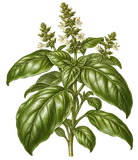 REFERENCE GUIDEHerbs, tinctures and extractsCompare plant parts, solvents and intended routes.Read guide →Close details ↑
A tincture is a plant extract, usually made with alcohol and water. Glycerites are extracts made with glycerin. These extracts use different liquids and can differ in strength and chemical compounds. The same amount of one cannot simply replace another.
Leaves, roots, flowers, seeds and bark may have different uses and risks. Use each product only in the way it is meant to be used. Oils made for beauty care and oils with added plant material are not always safe to eat.
REFERENCE GUIDESkin and scalp preparationsRead the ingredients, forms and preparation notes.Read guide →Close details ↑An oil-only blend and a water-containing serum need different design. Carrier oils can blend with compatible oil-soluble ingredients. Adding aloe juice, rosewater, brewed tea or dissolved hyaluronic acid introduces water. Niacinamide and sodium ascorbyl phosphate also belong in an appropriate water phase. Shaking does not make these additions dissolve into oil or produce a stable emulsion. Choose a tested formula for the exact ingredients and intended use.
Stored water-containing products need effective protection against bacteria, yeast and mold. This normally means a suitable broad-spectrum preservative system, confirmed in the finished formula. Vitamin E can slow oil oxidation; it does not replace antimicrobial preservation. Neither refrigeration, distilled water, a clean bottle nor a short guessed storage period establishes safety. A preservative already present in an ingredient may not adequately protect a new diluted mixture. Oil-only products have less opportunity for microbial growth, but water introduced by wet fingers or bathroom use changes the risk. Do not assign a shelf life without suitable stability and microbial testing.
Use cosmetic ingredients from a traceable supplier, follow their documentation, and measure by weight. Drops and pinches cannot reliably define an active ingredient concentration. Check the final pH, solubility, processing temperature, packaging and preservative compatibility. Ascorbic acid and sodium ascorbyl phosphate have different formulation requirements; a recipe cannot swap them casually. Changing an ingredient, adding water or combining finished products can undermine stability and preservation. A preservative brand name alone does not identify a suitable system or a validated recipe.
Essential oils do not dissolve in water, rosewater or aloe simply by shaking. An appropriate solubilizer or emulsifier is needed where a formula combines them; safe use also depends on the specific oil, amount and exposure. Avoid casual drop-count mixtures, undiluted essential oils, ingestion and spraying toward eyes or the face. Keep concentrates away from children and pets. Try a finished skin product on a small area as directed, and stop if irritation occurs. Tolerance testing cannot detect microbes or guarantee against future allergy. Persistent scalp inflammation or sudden hair loss deserves assessment rather than stronger homemade mixtures.
 REFERENCE GUIDESupplement combinations and labelsCheck product forms, overlapping ingredients and cautions.Read guide →Close details ↑
A formula listing K2, D3, calcium, magnesium, zinc, manganese, silicon and boron contains eight distinct ingredients. Their presence together does not establish that the blend is appropriate or that all eight are needed as supplements. Record each form and the amount per full serving, then check overlap with other products. The mineral entries explain different medicine interactions and safety limits. Silicon and boron do not have established human dietary requirements. K2 still matters with warfarin; D3 and calcium do not become unlimited because they share a formula.
Shared uses do not prove synergy or safe combined use. Garlic, turmeric/curcumin and willow should not be labeled an automatically compatible pain-relief group: garlic supplements can increase bleeding risk, willow has salicylate-related precautions, and turmeric products vary in strength and safety. Enhanced-absorption curcumin products have also been associated with liver injury. A medication and product-label review is more useful than grouping by an ‘anti-inflammatory’ label alone.