


Key cautions
- For external use only; avoid eyes and follow the product’s body-area and age instructions.
- Do not apply a skin-protectant product to deep puncture wounds, serious burns or other areas excluded by its label. Seek care if a rash worsens or persists.
What’s inside
Zinc and oxygen form ZnO. Finished preparations also contain bases, preservatives or other ingredients; inspect the complete label.
Uses in brief

- Labeled skin-protectant preparations
- Tested sunscreen formulas
- Limited underarm-odor research
History, folklore and reported uses
History, folklore and traditional uses
The same chemical name can span very different material worlds. Zinc oxide belongs both to skin-product history and to zinc-white painting practice; shared chemistry does not make their grades or uses interchangeable.
The 1949 Melbourne paint symposium examined how manufacturing changes altered pigment behavior. That historical concern remains a useful lesson for a reference library: a named substance is not the whole formulation.
Traditional, historical and reported uses
- Protective skin preparations
Mixed/contextual sourcesWhy this label?
Product-specific topical use or separately labeled historical pigment context; no cross-route inference.
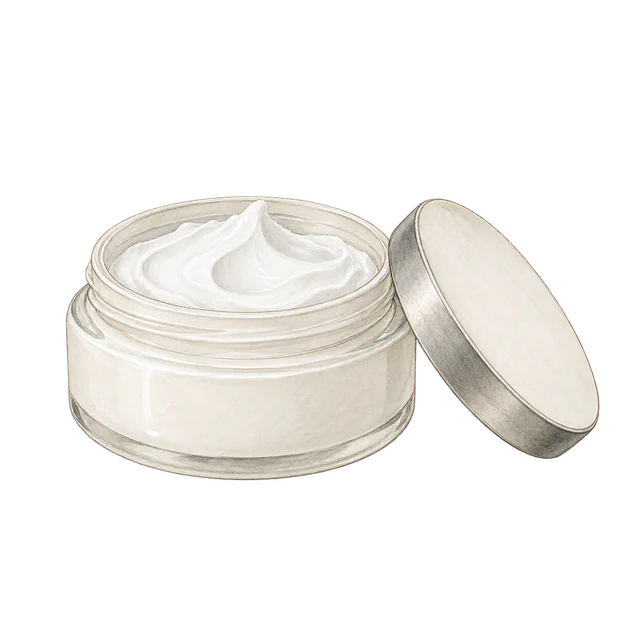
Certain labeled zinc-oxide ointments help prevent or treat diaper rash and address weeping poison-ivy-type irritation. These are product-specific skin-protectant uses, not permission to apply any powder or cream to every rash.
- Sunscreen active ingredient
Mixed/contextual sourcesWhy this label?
Product-specific topical use or separately labeled historical pigment context; no cross-route inference.
Zinc oxide appears among FDA-listed sunscreen actives. The finished product’s tested label, broad-spectrum coverage and correct use matter; mixing powder into household lotion does not establish protection.
- Zinc white in painting
Mixed/contextual sourcesWhy this label?
Product-specific topical use or separately labeled historical pigment context; no cross-route inference.
Zinc oxide has a separate pigment history. A Smithsonian conservator revisited a 1949 Melbourne symposium about changes in zinc-white oil paints and how processing affected cracking and aging. Paint grades and binders are not skin-care materials.
Three distinct additional uses are documented without inventing folklore. Painting is historical material context, not a cosmetic or medicinal recommendation.
Health topics: evidence and cautions
These notes describe a specific research context and preparation. A topic link is not a treatment recommendation.
Body odor · Symptom support
Form and route: Topical study preparation; not oral zinc tablets or zinc-rich foods · topical
Condition and setting: Underarm malodor in healthy volunteers
A small trial found reduced self-rated underarm odor with topical zinc oxide.
Evidence: Limited human evidence
Thirty healthy volunteers used zinc oxide on one underarm and placebo on the other for 13 days; odor ratings favored zinc oxide.
Limits
One short study does not establish long-term benefit, every product, or oral-zinc effectiveness.
Cautions
- Use only a finished product intended for the relevant skin area.
- Do not swallow topical products or assume nutritional zinc is interchangeable.
Identity & detailed reference
Identity
Zinc oxide (ZnO), an inorganic compound, in finished topical preparations. It is different from elemental zinc, oral zinc supplements, and unregulated pigment or industrial powders.
Ingredient details, preparation and research
Also known as: zinc oxide; ZnO; topical zinc; zinc-white pigment context
Source plant or material
Not a plant; inorganic zinc compound.
Plant family / material: Not applicable
Forms and route
Labeled skin-protectant ointments or creams; tested sunscreen products; separately studied deodorant formulations. Product concentration, base and intended use differ. Raw powder is not a finished medicine or a reliable homemade sunscreen.
Vitamins and minerals
This topical card is not a dietary zinc source or a recommendation for oral supplementation. Nutritional zinc has a separate entry.
Absorption and preparation
Do not infer dietary benefits from skin application. Absorption and safety depend on the finished product, route and condition of the skin.
Nutritional role and uses
- Product-specific skin protection in labeled topical preparations.
- Ultraviolet protection as an active ingredient in tested sunscreen formulas.
- Limited human research on a topical preparation for underarm odor; this does not establish every zinc product as a deodorant.
Contraindications and cautions
- For external use only; avoid eyes and follow the product’s body-area and age instructions.
- Do not apply a skin-protectant product to deep puncture wounds, serious burns or other areas excluded by its label. Seek care if a rash worsens or persists.
- Do not swallow topical products or substitute artists’ pigment, industrial powder or oral tablets.
- A zinc-oxide ingredient alone does not establish SPF. Choose a finished, tested sunscreen and combine sun protection with shade and clothing.
Similar items and how they compare
- Zinc
Related element with a separate nutritional entry.
Oral nutrient forms and topical products have different purposes and routes.
Underarm-odor study
A randomized, blinded split-underarm trial in 30 healthy volunteers compared topical zinc oxide with placebo for 13 days. Self-rated odor favored zinc oxide. This short study does not prove sustained effectiveness or benefits from oral zinc.
Sunscreen is a finished-product claim
FDA lists zinc oxide as a sunscreen active ingredient. Select a labeled broad-spectrum sunscreen and use other sun-protection measures; a skin-protectant ointment is not automatically a sunscreen.
Evidence limits
- The odor evidence is short-term and preparation-specific. No claim is made that ordinary zinc supplements prevent odor.
- Historical pigment evidence does not validate medical use of industrial or artists’ materials.
Entry sources
- DailyMed: Zinc oxide 20% skin-protectant label
- FDA: Sunscreen and sun protection
- Ågren et al. 2020: Topical zinc oxide and underarm odor
- Rogala 2019: Historical zinc oxide oil-paint symposium
Reference entry 607 · Recorded content review: 2026-10-11 · Review scope and dates