Mango
Foods
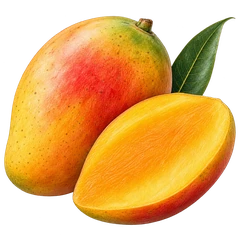
Mango moves easily between sweet ripe fruit and tart savory food.
Read entry615 INGREDIENT ENTRIES
Browse A–Z or by category.
Suggest an ingredient to research
Search names, alternate names, identity, indexed growing and reference notes. Exact names and alternate names appear before deeper reference mentions. Health-topic searches are handled separately. Browse the symptom and everyday-topic directory for source-linked meanings and care context. Ingredient references for health topics remain limited to the separately reviewed headache index. This search does not diagnose. Whole words matches “tea”, not “steam”; it still searches the full indexed text. Multiple words narrow ordinary name searches. Browse Health Topics or Men’s Health for sourced research, including no-benefit and safety findings.
Explore copper food sources by form and portion
Nutrient labels point to selected form-specific references, not a richness ranking. An absent label does not mean the food lacks that nutrient. A traditional or research use is not a blanket recommendation.
Food and flavoring: An explicitly recorded food or flavoring use. Check the named edible form, preparation and cautions; this tag is not a blanket edibility recommendation.
Food nutrient references: A named food preparation has serving-specific nutrient data. Small amounts still appear; this is not a high-source claim. The Copper reference index is excluded.
Household and craft: An explicitly recorded material, fragrance, ceremonial, gardening, household or craft application; historical uses may be unsafe to reproduce.
Traditional practices: An attributed traditional or historical practice, not a claim of proven treatment benefit.
Skin and cosmetic: A recorded external skin, hair, mouth-care or cosmetic application; follow the exact form and cautions. This does not imply efficacy or safe DIY use.
Mosquito-repellent research: Preparation-specific mosquito-repellent research or regulated-product context. Growing plants, teas, raw leaves and arbitrary oil mixtures do not inherit results.
Bible connections: A sourced biblical passage or related-name/source-plant connection. Retain the card’s identity uncertainty; this does not prove a modern species identification.
Botanical illustrations are decorative studies, not foraging guides. The dove marks a biblical reference; each card explains its connection and any uncertainty in identification. Original-language notes accompany the KJV quotations.
Read the KJV's own words alongside the plant or material identified today. Each card in this KJV collection shows one or two complete scripture quotations and explains whether the connection is direct, a different preparation of the source plant, a probable identification, or an uncertain related name.
Olive oil is explicitly named. Esther 2:12 refers to oil of myrrh, John 12:3 to ointment of spikenard, and Exodus 30 to a compound anointing oil. These are ancient oils, perfumes and ointments; the passages do not specify modern steam-distilled essential oils.
No vitamins are named as vitamins in the KJV. The nutrient content of biblical foods belongs to modern nutrition and is described separately in the relevant food cards.
Scripture references may concern food, fragrance, worship, trade, poetry or a historical narrative. The context and the exact plant part matter. The cards preserve that context alongside the existing preparation and safety information.
This collection covers herbs, spices, aromatic materials, oils, biblical foods and nuts, with qualified connections to existing cards. It uses the 66-book KJV text.
The History, folklore and traditional uses section follows each ingredient’s story. It covers where ingredients come from, where they grow, their role in different cultures, and recorded home uses. We distinguish folklore, recorded practices, personal reports and research findings, and identify their sources.
Traditional and historical labels describe recorded uses. Reported or anecdotal uses describe claims or personal experiences. They do not promise results. Nutritional roles explain how nutrients help the body work normally. Taking extra supplements does not always help.
Known constituents means chemical compounds found in an ingredient. Not every product will contain them or have an active amount. The amount and how much your body takes in can vary by species, plant part and preparation. Similar items share a named feature. You cannot always use one in place of another.
Vitamins and minerals notes apply to the named edible form and serving size. Estimated nutrient amounts vary with growing conditions and preparation. They do not describe every product or promise how much your body will take in. Daily Value percentages are general guides used on labels, not personal targets. When a recipe uses a little seasoning, each person gets only part of that amount. Essential oils and products used on skin are not food sources of vitamins or minerals.
Check the species, plant part, preparation and how it is meant to be used. A tea, tincture, concentrated extract and essential oil cannot simply replace one another. These notes are general information for adults. They do not tell you what dose to take by mouth or give you a personal treatment plan. Each preparation example explains its purpose, how it is used and its limits. We label home versions of preparations. Evidence applies to the preparation and use studied; findings for one form do not establish the effects of another. Read the cautions along with the uses. Ask a qualified professional about medicines, pregnancy, health conditions and planned surgery.
Keep concentrated products away from children and pets. Do not swallow bottled essential oils or use them undiluted on skin. For a possible poisoning in the United States, call Poison Control at 1-800-222-1222; get emergency care for severe trouble breathing, seizures or collapse.
No matching ingredients. Try another spelling or clear the filters.
Swipe or scroll for more categories
Foods
Mango moves easily between sweet ripe fruit and tart savory food.
Read entryEssential oils
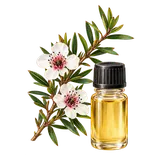
A New Zealand aromatic oil distilled from mānuka foliage for formulated personal-care products; it is different from edible mānuka honey and must not be swallowed.
Read entryFoods
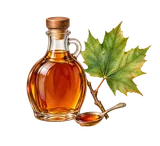
Concentrated maple-tree sap used as a sweetener for the table and other foods; pure maple syrup differs from maple-flavored blends.
Read entryHerbs and tinctures
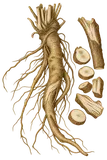
Marshmallow root releases a soothing, gel-like material traditionally used for irritated throats and mild digestive discomfort; it may affect other medicines' absorption.
Read entryFoods
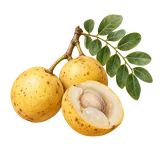
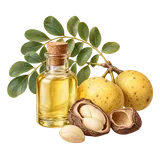
A Southern African fruit eaten ripe or made into juice and jelly, with a separate tradition of fermented drinks and kernel oil.
Read entryFixed oils
An oil pressed from marula kernels, used in Namibian cooking and skin care; food-grade and cosmetic products serve different purposes.
Read entryFoods
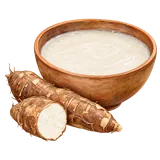
A fermented cassava drink from the Peruvian Amazon that may contain alcohol; controlled processing is essential because inadequately prepared cassava can be hazardous.
Read entryFoods
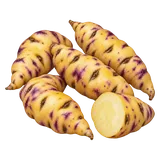
A pungent Andean tuber eaten cooked or made into food-grade flour, distinct from the flowers and leaves of ornamental nasturtiums.
Read entryMushrooms
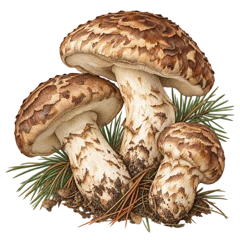
An aromatic autumn mushroom prized in Japanese rice and clear soups, with a history of tribute gifts and managed-forest harvests.
Read entryFoods
A Mapuche-associated blend of smoked chile, toasted coriander seed and salt, adding smoky heat and aroma to savory foods.
Read entryHerbs and tinctures
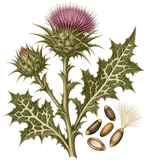
Milk thistle's ripe fruits, often called seeds, have a digestive and liver-care tradition; research on concentrated extracts remains inconclusive.
Read entryFoods
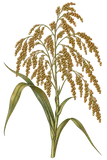
Millet names several grains used in porridge, flatbreads and cooked dishes; Ezekiel mentions millet, though the ancient species remains uncertain.
Read entryHerbs
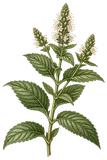
Mint appears among biblical tithed herbs, without a confirmed species; identified culinary mints flavor food and drinks and have digestive traditions.
Read entryFoods
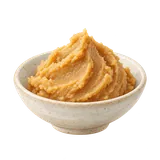
A Japanese fermented soybean paste used in soups, dressings and sauces, with regional styles that vary in sweetness, salt and aging.
Read entryFoods
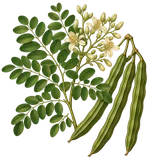
A tropical food tree whose leaves and young pods are eaten.
Read entryReference materials
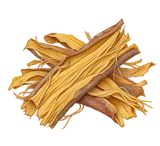
Moso-oi inner bark appears in a Samoan account of difficult childbirth and spirit-framed illness. It is a cultural and safety reference, separate from flower aromatherapy.
Read entryFoods
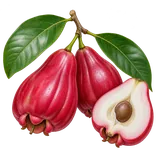
A crisp, juicy tropical fruit with long Pacific cultivation and a Polynesian introduction to Hawaiʻi, enjoyed for its fresh edible flesh.
Read entryFoods
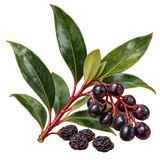
A southeastern Australian plant whose berries and leaves bring hot, aromatic flavor to food, with each part offering a different texture and intensity.
Read entryOther supplements
MSM is a sulfur-containing supplement studied for joint discomfort; small trials suggest possible modest benefit, while long-term effectiveness and safety remain uncertain.
Read entryFoods
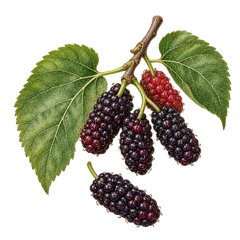
Juicy tree-grown fruits with a blackberry-like shape, mulberries bring sweet-tart flavor to fresh eating and preserves.
Read entryHerbs and tinctures
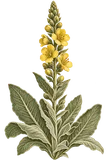
Mullein flower is a traditional European soothing tea for a sore throat with dry cough.
Read entryHerbs
An aromatic Andean herb used for culinary leaves and traditional preparations; its concentrated essential oil is hazardous and should not be swallowed.
Read entryFoods
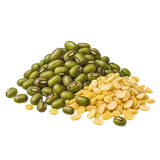
A versatile Asian pulse used in cooked savoury foods and sweet soups.
Read entryFoods
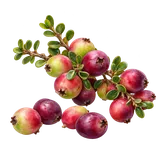
Small fleshy fruits grown as a southern Australian native-food crop, supplied fresh or frozen and used in prepared fruit products.
Read entry