

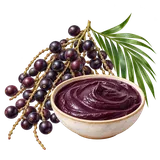
Euterpe oleracea
native and harvested/cultivated; northern Brazil
Processed fruit pulp beverage or food.
Comparison & sources
No equivalent source-material card in the 291-entry inventory.
Library entry 456. Read its cautions.
THE WORLD REFERENCE SHELF
Familiar ingredients, regional traditions and discoveries worth a closer look.
Six curated lists contain 70 selections each. Antarctica has a shorter, clearly separated research reference. A selection can belong to several regional traditions, so row totals are not unique ingredient totals. Entries receive full journal pages after identity, source and safety review.
Read the cautions firstISLANDS & REGIONAL TRADITIONS
Explore plants linked by sources to the Caribbean, Pacific and Atlantic. A plant may appear in more than one collection. Each plant has one ingredient journal.
611 of 615 ingredient entries have decorative illustrations. Artwork for the remaining 4 entries is being added in stages. Illustrations are not identification references.
Under each region, Explore more offers a few extra choices. We look for clear sources that link each choice to the region, along with useful history, uses and variety. A list may have fewer than ten items. These lists do not rank items by popularity or health benefits.
Some ingredients fit more than one group. A food may also appear under spices, seeds, fermented foods or cooking herbs. Entries kept only for research do not get extra food labels. Different types of oil stay separate. Sorting changes the order, not the number of choices.
78 regional selections in this complete continental list.
No selections match. Try fewer filters.
A curated regional selection based on documented association, historical interest and useful variety. This is not a measured popularity or health ranking. Native origin, introduced cultivation, trade and traditional processing are identified separately.
Euterpe oleracea
native and harvested/cultivated; northern Brazil
Processed fruit pulp beverage or food.
No equivalent source-material card in the 291-entry inventory.
Library entry 456. Read its cautions.
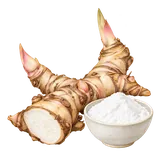
Canna indica (syn. Canna edulis)
native and cultivated; Colombia, Peru
Rhizome starch for cooking.
No equivalent source-material card in the 291-entry inventory.
Library entry 455. Read its cautions.
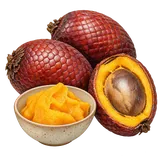
Mauritia flexuosa
native and harvested; Peru, Brazil
Edible fruit pulp.
Whole fruit pulp differs materially from extracted buriti oil.
Library entry 460. Read its cautions.
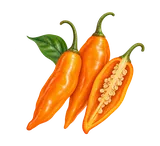
Capsicum baccatum
cultivated; Peru
Pepper for sauces and stews.
Not interchangeable with existing C. chinense or C. annuum pepper cards.
Library entry 421. Read its cautions.
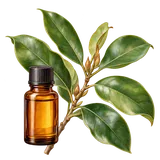
Aniba rosaeodora
native and distilled; Brazil; source also documents the Guianas
Perfumery material; conservation-conscious traceability essential.
No equivalent source-material card in the 291-entry inventory.
Library entry 444. Read its cautions.
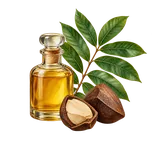
Carapa guianensis
native and traditional processing; Brazil, Amazonas
Fixed seed oil used as a topical-product material.
Not a culinary-oil or ingestion recommendation; route and quality need explicit labeling.
Library entry 441. Read its cautions.
Spices · Plant foods
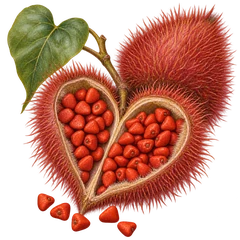
Bixa orellana
native and cultivated; Brazil, Peru
Seed coating used for culinary coloring.
Already in the library; the South American regional connection is included here.
Library entry 281. Read its cautions.
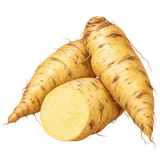
Arracacia xanthorrhiza
native and cultivated; Colombia, Ecuador, Peru
Cooked storage roots.
No equivalent source-material card in the 291-entry inventory.
Library entry 452. Read its cautions.
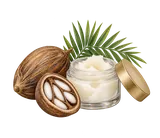
Attalea speciosa (syn. Orbignya phalerata)
native and traditional processing; northern/northeastern Brazil
Kernel oil for food-grade or manufactured products.
No equivalent source-material card in the 291-entry inventory.
Library entry 443. Read its cautions.
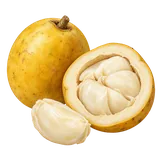
Platonia insignis
native; Brazil, Amazon region
Edible aromatic fruit pulp.
No equivalent source-material card in the 291-entry inventory.
Library entry 458. Read its cautions.
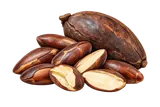
Dipteryx alata
native; Brazil, Cerrado
Processed edible seed.
No equivalent source-material card in the 291-entry inventory.
Library entry 439. Read its cautions.
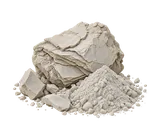
Smectite-rich clay, commonly montmorillonite
geological; Argentina, Río Negro
Absorbent and industrial material; no ingestion endorsement.
No equivalent source-material card in the 291-entry inventory.
Library entry 396. Read its cautions.
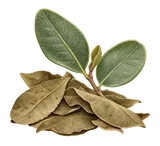
Peumus boldus
native; Chile
Documented traditional herbal preparation; medical-safety review required.
No equivalent source-material card in the 291-entry inventory.
Library entry 430. Read its cautions.
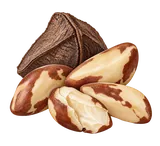
Bertholletia excelsa
native and harvested; Brazil, Bolivia, Peru
Edible forest seed, traded as a nut.
No equivalent source-material card in the 291-entry inventory.
Library entry 436. Read its cautions.
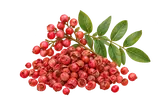
Schinus terebinthifolia
native and cultivated; Brazil
Dried fruits used as seasoning.
Distinct from Piper nigrum and Schinus molle; verify species and allergy suitability.
Library entry 425. Read its cautions.
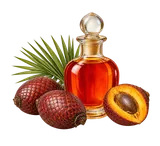
Mauritia flexuosa
native and processed; Brazil, Cerrado
Fruit-derived fixed oil; verify intended product grade.
Distinct extracted lipid material from whole aguaje/buriti pulp.
Library entry 442. Read its cautions.
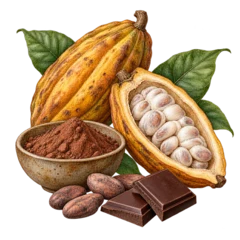
Plant foods
Theobroma cacao
native and cultivated; tropical South America, Ecuador, Brazil
Processed cacao seeds and chocolate.
Existing source-plant card already covers fermented seed processing; avoid a redundant fermented-cacao card.
Library entry 246. Read its cautions.
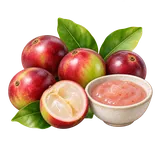
Myrciaria dubia
native; Peru, Amazon region
Sour fruit pulp for processed foods.
No equivalent source-material card in the 291-entry inventory.
Library entry 461. Read its cautions.
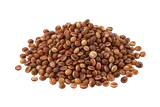
Chenopodium pallidicaule
native and cultivated; Peru, Bolivia
Roasted grain and flour.
No equivalent source-material card in the 291-entry inventory.
Library entry 433. Read its cautions.
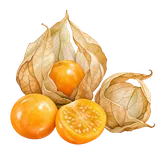
Physalis peruviana
native and cultivated; Colombia, Peru
Ripe fruit.
No equivalent source-material card in the 291-entry inventory.
Library entry 466. Read its cautions.
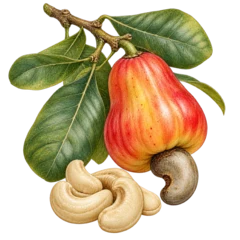
Plant foods
Anacardium occidentale
native and cultivated; Brazil
Safely processed kernel; shell is excluded.
Already in the library; the South American regional connection is included here.
Library entry 240. Read its cautions.
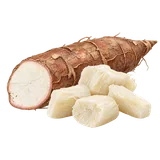
Manihot esculenta
native domesticate and cultivated; Peru, Brazil
Starchy roots requiring appropriate cyanide-reducing processing.
No equivalent source-material card in the 291-entry inventory.
Library entry 335. Read its cautions.
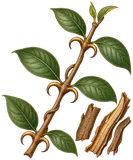
Herbs
Uncaria tomentosa; Uncaria guianensis
native; Amazonian South America, including Peru
Traditional bark preparations; clinical benefit remains unproven.
Existing card already distinguishes species and safety. Regional selection does not authorize treatment.
Library entry 195. Read its cautions.
Mushrooms
Reference only
Ramaria spp. (edible locally identified taxa)
native; southern Chile
Locally gathered food fungi; genus is not an edibility rule.
Research species-level identification before a consumer food card; not all Ramaria are edible.
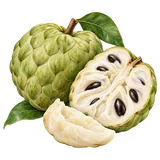
Annona cherimola
cultivated; Peru, Andean valleys
Ripe fruit flesh; seeds excluded.
No equivalent source-material card in the 291-entry inventory.
Library entry 463. Read its cautions.
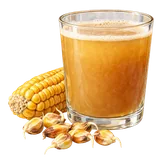
Zea mays; fermented maize preparation
traditional processing; Peru, including Arequipa
Fermented maize beverage and cooking ingredient; may contain alcohol.
Distinct fermentation tradition; not non-fermented chicha morada.
Library entry 469. Read its cautions.
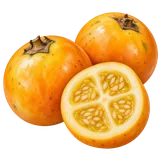
Solanum sessiliflorum
native and cultivated; Peru, Amazon region
Fruit for juices and sauces.
No equivalent source-material card in the 291-entry inventory.
Library entry 464. Read its cautions.
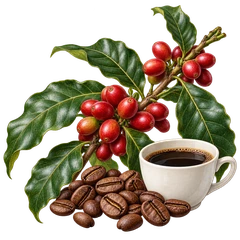
Plant foods
Coffea arabica; Coffea canephora
introduced/traded and cultivated; Colombia, Brazil
Roasted seed beverage.
Already in the library; the South American regional connection is included here.
Library entry 288. Read its cautions.
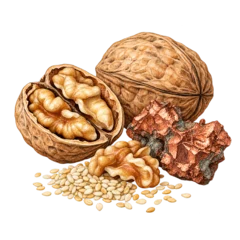
Minerals
Cu
geological and industrial; Chile
Industrial metal; ore is not a dietary supplement.
Already in the library; the South American regional connection is included here.
Library entry 239. Read its cautions.
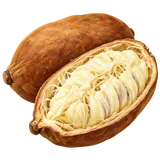
Theobroma grandiflorum
native; Brazil, Amazon region
Fruit pulp for processed foods.
No equivalent source-material card in the 291-entry inventory.
Library entry 457. Read its cautions.
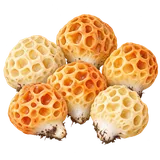
Cyttaria espinosae
native; southern Chile
Regionally gathered food fungus; expert identification required.
No equivalent source-material card in the 291-entry inventory.
Library entry 447. Read its cautions.
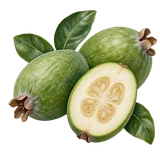
Acca sellowiana
native; southern Brazil, Uruguay
Aromatic fruit pulp.
No equivalent source-material card in the 291-entry inventory.
Library entry 467. Read its cautions.
Plant foods
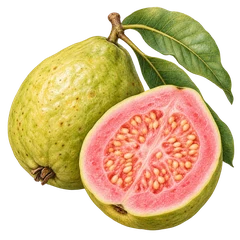
Psidium guajava
cultivated; Brazil
Fruit and guava paste.
Already in the library; the South American regional connection is included here.
Library entry 272. Read its cautions.
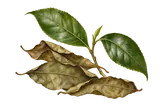
Ilex guayusa
native and cultivated; Ecuador, Napo Kichwa communities
Caffeinated leaf beverage; community-specific cultural practice.
No equivalent source-material card in the 291-entry inventory.
Library entry 427. Read its cautions.
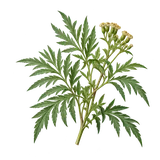
Tagetes minuta
native and cultivated; Peru, Bolivia
Aromatic leaves for cooking.
No equivalent source-material card in the 291-entry inventory.
Library entry 424. Read its cautions.
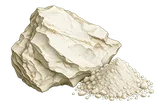
Clays
Kaolinite-rich clay; Al2Si2O5(OH)4 principal mineral
geological; Brazil, Rio Capim
Industrial ceramics and paper; no ingestion endorsement.
Already in the library; the South American regional connection is included here.
Library entry 99. Read its cautions.
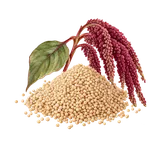
Amaranthus caudatus
native and cultivated; Peru
Grain for popped foods and flour.
No equivalent source-material card in the 291-entry inventory.
Library entry 434. Read its cautions.
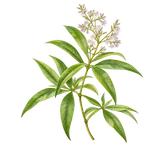
Aloysia citrodora
cultivated; Chile, Ecuador
Aromatic leaf infusions; distinct from distilled oil.
No equivalent source-material card in the 291-entry inventory.
Library entry 428. Read its cautions.
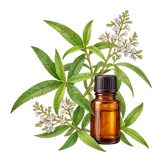
Aloysia citrodora
cultivated and distilled; Ecuador
Aromatic distillate; not equivalent to leaf tea.
No equivalent source-material card in the 291-entry inventory.
Library entry 446. Read its cautions.
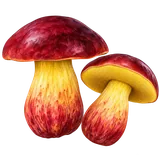
Butyriboletus loyo
native; southern Chile
Regional food fungus; conservation and identification matter.
No equivalent source-material card in the 291-entry inventory.
Library entry 448. Read its cautions.
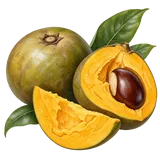
Pouteria lucuma
native and cultivated; Peru
Fruit pulp for desserts.
No equivalent source-material card in the 291-entry inventory.
Library entry 462. Read its cautions.
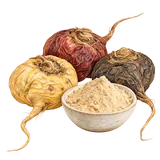
Lepidium meyenii
native and cultivated; Peru
Processed hypocotyl/root food, not a hormone treatment.
No equivalent source-material card in the 291-entry inventory.
Library entry 454. Read its cautions.
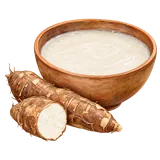
Manihot esculenta; fermented cassava preparation
traditional processing; Shawi study community, Peruvian Amazon
Fermented cassava beverage; hygiene and safe processing essential.
Community attribution is local to the study, not all Amazonian peoples; no home-fermentation protocol.
Library entry 470. Read its cautions.
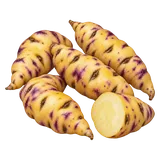
Tropaeolum tuberosum
native and cultivated; Peru, Bolivia
Cooked tubers.
No equivalent source-material card in the 291-entry inventory.
Library entry 451. Read its cautions.
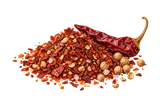
Capsicum annuum; mixed seasoning
traditional processing; Mapuche producers, Chile
Smoked-chile seasoning blend; recipes vary.
A culturally specific processed blend, not another generic cayenne card.
Library entry 423. Read its cautions.
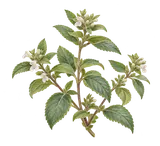
Minthostachys mollis
native and cultivated; Peru
Aromatic Andean herb; no concentrated-oil ingestion advice.
No equivalent source-material card in the 291-entry inventory.
Library entry 429. Read its cautions.
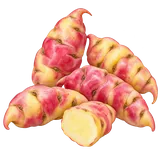
Oxalis tuberosa
native and cultivated; Peru, Bolivia
Cooked tubers.
No equivalent source-material card in the 291-entry inventory.
Library entry 449. Read its cautions.
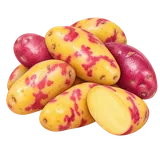
Ullucus tuberosus
native and cultivated; Peru, Bolivia
Cooked tubers.
No equivalent source-material card in the 291-entry inventory.
Library entry 450. Read its cautions.
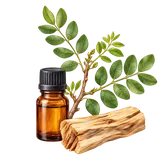
Bursera graveolens
native and distilled; Ecuador, Manabí
Aromatic distillate studied chemically; no medicinal efficacy inference.
No equivalent source-material card in the 291-entry inventory.
Library entry 445. Read its cautions.
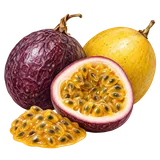
Passiflora edulis
cultivated; Brazil
Fruit pulp and juice.
Not the medicinal Passiflora incarnata aerial-herb card (doc 12).
Library entry 468. Read its cautions.
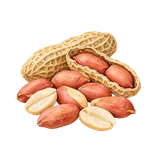
Arachis hypogaea
native domesticate and cultivated; Brazil, Argentina, Bolivia
Seeds used in foods and pastes.
No equivalent source-material card in the 291-entry inventory.
Library entry 418. Read its cautions.
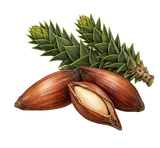
Araucaria araucana
native and harvested; Chile
Edible seed; sustainable collection matters.
Distinct from Pinus pine nuts and Brazilian Araucaria angustifolia seeds.
Library entry 438. Read its cautions.
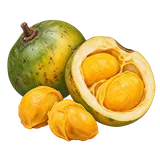
Caryocar brasiliense
native; Brazil, Cerrado
Pulp for regional rice dishes; avoid spiny stone.
No equivalent source-material card in the 291-entry inventory.
Library entry 459. Read its cautions.
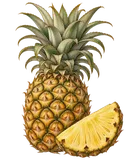
Plant foods
Ananas comosus
native and cultivated; tropical South America, Brazil
Fresh fruit and juice.
Already in the library; the South American regional connection is included here.
Library entry 172. Read its cautions.
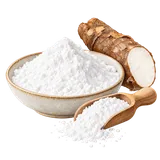
Manihot esculenta; fermented cassava starch
traditional processing; Brazil, Minas Gerais
Sour cassava starch for baked foods.
Fermented starch is distinct from cassava root and liquid tucupi; not automatically probiotic.
Library entry 472. Read its cautions.
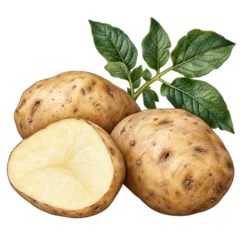
Plant foods
Solanum tuberosum and cultivated Andean relatives
native domesticate; Peru, Bolivia
Cooked tubers.
Already in the library; the South American regional connection is included here.
Library entry 244. Read its cautions.
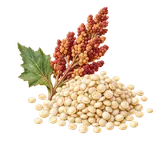
Chenopodium quinoa
native and cultivated; Peru, Bolivia
Cooked pseudocereal.
No equivalent source-material card in the 291-entry inventory.
Library entry 432. Read its cautions.
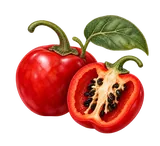
Capsicum pubescens
cultivated; Peru, especially Arequipa
Hot pepper used in stuffed rocoto.
No equivalent source-material card in the 291-entry inventory.
Library entry 422. Read its cautions.
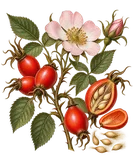
Food & carrier oils
Rosa spp., including Rosa rubiginosa and Rosa canina
introduced/traded and processed; Chile
Fixed seed oil in cosmetic products.
Expand existing multi-species oil card with Chilean production; do not split by regional name.
Library entry 31. Read its cautions.
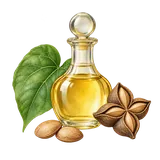
Plukenetia volubilis
cultivated and processed; Peru
Food-grade fixed seed oil.
Distinct separated lipid product from the whole-seed food; not essential oil.
Library entry 440. Read its cautions.
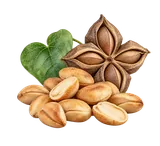
Plukenetia volubilis
native and cultivated; Peru
Properly processed roasted seeds.
Whole processed seed is meaningfully distinct from its separated fixed oil; not raw-seed advice.
Library entry 437. Read its cautions.
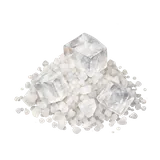
Sodium chloride, NaCl
geological and traditional processing; Peru, Maras
Food-grade salt for seasoning; raw deposits need qualification.
No equivalent source-material card in the 291-entry inventory.
Library entry 311. Read its cautions.
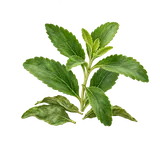
Stevia rebaudiana
native; Paraguay, southeastern Brazil
Sweet leaf; distinct from purified steviol-glycoside additives.
No equivalent source-material card in the 291-entry inventory.
Library entry 431. Read its cautions.
Plant foods
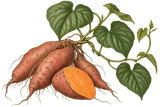
Ipomoea batatas
cultivated native American crop; Peru
Cooked storage root.
Already in the library; the South American regional connection is included here.
Library entry 163. Read its cautions.
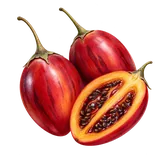
Solanum betaceum
native and cultivated; Peru, Ecuador
Fruit for sauces and beverages.
No equivalent source-material card in the 291-entry inventory.
Library entry 465. Read its cautions.
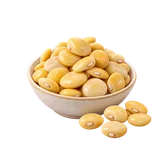
Lupinus mutabilis
native and cultivated; Peru, Bolivia, Ecuador
Legume requiring validated debittering before food use.
Not an ordinary ready-to-eat seed; alkaloid-removal controls are essential.
Library entry 435. Read its cautions.
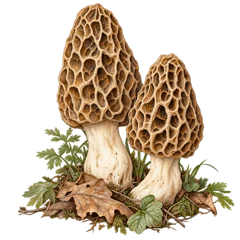
Mushrooms
Morchella spp.
harvested; Chile
Commercial food mushrooms; expert identification and cooking required.
Already in the library; the South American regional connection is included here.
Library entry 220. Read its cautions.
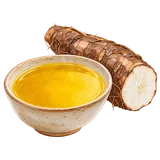
Manihot esculenta; fermented and cooked cassava liquid
traditional processing; Brazil, Pará
Sauce/broth ingredient after controlled fermentation and cooking.
Cyanogenic raw liquid is unsafe; fermentation alone does not establish safety.
Library entry 471. Read its cautions.
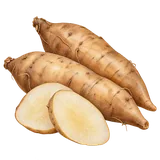
Smallanthus sonchifolius
native and cultivated; Peru, Bolivia
Edible storage roots.
No equivalent source-material card in the 291-entry inventory.
Library entry 453. Read its cautions.
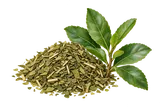
Ilex paraguariensis
native and cultivated; Argentina, Paraguay, Brazil
Caffeinated leaf infusion with Guaraní historical roots.
No equivalent source-material card in the 291-entry inventory.
Library entry 426. Read its cautions.
8 more choices with sources that link them to this region.
Plant foods
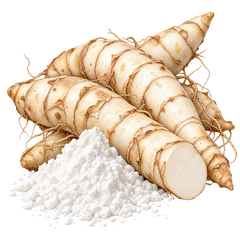
Maranta arundinacea L.
Native tropical American starch plant; a Bahia Produtiva food-plant guide archived by Embrapa records traditional cultivation in Brazil’s Recôncavo Baiano.
Processed rhizome starch is a culinary thickener and baking ingredient.
Adds Brazilian starch-crop heritage beyond the already selected cassava and achira, using the exact existing Maranta card. Already present in the library before this supplemental selection.
Library entry 258. Read its cautions.
Plant foods
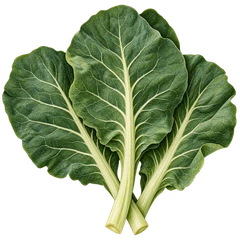
Brassica oleracea L., collard types
Introduced and cultivated in Brazil; finely sliced couve has a specifically documented place in Minas Gerais cuisine.
Leaves are sautéed, cooked or added to soups and farofa.
Adds a familiar everyday green and a documented Brazilian preparation tradition absent from the original selection. Already present in the library before this supplemental selection.
Library entry 263. Read its cautions.
Plant foods
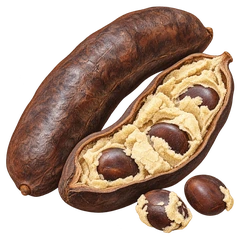
Hymenaea courbaril L.
Native to tropical South America; Brazilian Amazon research documents fruit material collected in Moju, Pará.
Ripe pods supply dry, sweet, farinaceous pulp; retain the food card’s separation of pulp from seeds, shell, bark and resin.
Adds a distinctive forest fruit texture and a Brazilian research connection instead of another ordinary juice fruit. Already present in the library before this supplemental selection.
Library entry 256. Read its cautions.
Plant foods
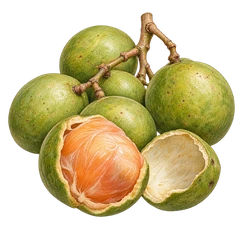
Melicoccus bijugatus Jacq.
Native in northern South America; USDA records native occurrence in Venezuela, Colombia and Brazil.
Ripe fruit aril is eaten fresh; separate and discard the large seed.
Links the existing Caribbean-named card back to its South American origin and adds a distinct Sapindaceae fruit. Already present in the library before this supplemental selection.
Library entry 257. Read its cautions.
Plant foods
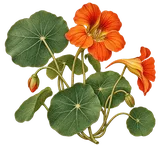
Tropaeolum majus L.
South American botanical connection; Embrapa documents capuchinha among Brazil’s traditional, less-common vegetables.
Food-grown flowers, leaves and buds provide a peppery culinary accent.
Adds edible flowers and leafy seasoning, a useful category gap beside the region’s many fruits, grains and tubers. Already present in the library before this supplemental selection.
Library entry 183. Read its cautions.
Herbs
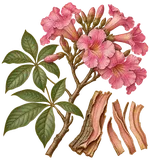
Handroanthus impetiginosus (Mart. ex DC.) Mattos; trade material needs species verification
Native across parts of tropical South America, including Brazil, Bolivia, Paraguay and northwestern Argentina; associated with regional bark-based herbal traditions.
Historical inner-bark herbal reference. Laboratory findings do not establish treatment efficacy, and bleeding and other safety concerns preclude a casual-use recommendation.
Adds an important existing regional herbal-history card while keeping its identity uncertainty, weak clinical evidence and cautions visible. Already present in the library before this supplemental selection.
Library entry 196. Read its cautions.
Plant foods
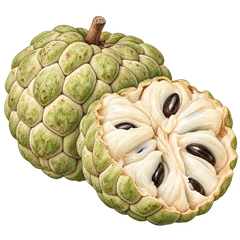
Annona squamosa L.
Cultivated in Brazil, where agricultural literature documents pinha, fruta-do-conde and ata; do not assert an exclusively Brazilian origin.
Eat the ripe soft pulp; seeds and leaves are not included in the food use.
Adds an existing, locally named Brazilian orchard fruit distinct from cherimoya and soursop. Already present in the library before this supplemental selection.
Library entry 269. Read its cautions.
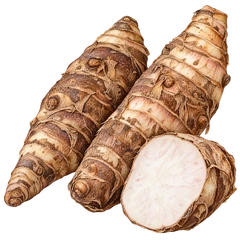
Plant foods
Cultivated Xanthosoma spp.; Xanthosoma sagittifolium (L.) Schott is a principal named crop
Tropical American crop; Kew places Xanthosoma sagittifolium from Costa Rica into southern tropical South America.
Identified food-grade cormels are thoroughly cooked; raw aroids and unidentified ornamental plants are unsafe.
Adds the New World aroid crop missing from the regional root-food selection; use the existing identity-qualified card rather than asserting every local name is one species. Already present in the library before this supplemental selection.
Library entry 266. Read its cautions.