A curated regional selection based on documented association, historical interest and useful variety. This is not a measured popularity or health ranking. Native origin, introduced cultivation, trade and traditional processing are identified separately.
Plant foods
Added in this update
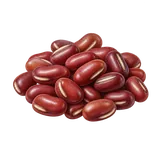
Vigna angularis
Cultivated/traditional processing: Japan, including the Lake Shinji region.
Cooked red beans and sweet an paste; also rice dishes.
Comparison & sources
No equivalent material/preparation entry found in the 291-item inventory.
Library entry 355. Read its cautions.
Plant foods
Added in this update
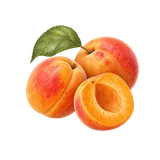
Prunus armeniaca
Cultivated/traditional processing: Tajikistan and neighbouring Central Asian countries.
Fresh and dried fruit; kernels are not part of this food selection.
Comparison & sources
No equivalent material/preparation entry found in the 291-item inventory.
Library entry 356. Read its cautions.
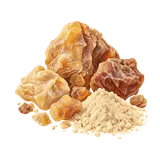
Spices · Plant foods
Added in this update
Ferula assa-foetida and other authenticated commercial Ferula sources
Traded: Afghanistan and Iran supply resin to Indian food traditions.
Small culinary quantities of gum-resin or compounded hing season pulses.
Comparison & sources
New resin-spice identity; unrelated to existing galbanum and other biblical resins. Compounded products may contain wheat.
Library entry 341. Read its cautions.
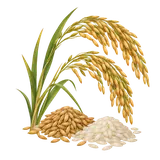
Plant foods
Added in this update
Oryza sativa
Cultivated: South, Southeast and East Asia; staple examples include India, Vietnam and Indonesia.
Cooked grain and rice flour in staple foods.
Comparison & sources
No equivalent material/preparation entry found in the 291-item inventory.
Library entry 352. Read its cautions.
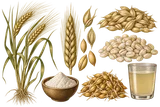
Hordeum vulgare
Cultivated/traditional food: Tibetan Plateau, Nepal and wider West/Central Asia.
Cooked grain and roasted-grain flour; retain species-level overview.
Comparison & sources
Same material and preparation as the existing inventory entry; add regional indexing without duplicating.
Library entry 142. Read its cautions.
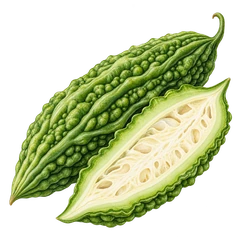
Momordica charantia
Cultivated: Chinese and Indian varieties; Southeast Asian household gardens.
Immature fruit cooked as a vegetable.
Comparison & sources
Same material and preparation as the existing inventory entry; add regional indexing without duplicating.
Library entry 247. Read its cautions.
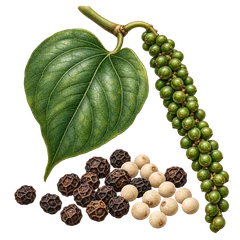
Piper nigrum
Cultivated: southern India; regional spice trade.
Dried berries season food.
Comparison & sources
Same material and preparation as the existing inventory entry; add regional indexing without duplicating.
Library entry 274. Read its cautions.
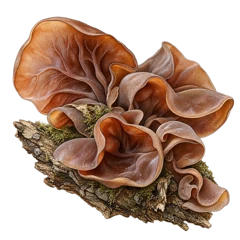
Auricularia heimuer
Cultivated: China, with longstanding wood-ear food production.
Rehydrated and cooked mushroom valued for texture.
Comparison & sources
Same material and preparation as the existing inventory entry; add regional indexing without duplicating.
Library entry 210. Read its cautions.
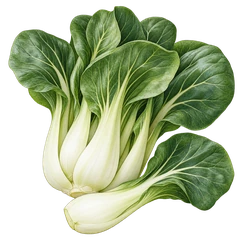
Brassica rapa Chinensis Group
Cultivated and traditional food: China and Southeast Asia, including Singapore.
Leaves and succulent stems boiled or stir-fried.
Comparison & sources
Same material and preparation as the existing inventory entry; add regional indexing without duplicating.
Library entry 285. Read its cautions.
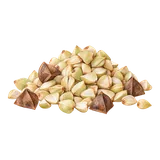
Plant foods
Added in this update
Fagopyrum esculentum and Fagopyrum tataricum
Cultivated/traditional food: Nepal and other Himalayan areas.
Grain-like seeds prepared as flour or cooked groats.
Comparison & sources
New pseudocereal; distinguish common and Tartary buckwheat when expanding.
Library entry 353. Read its cautions.
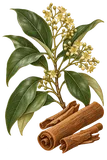
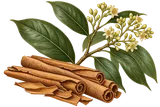
Cinnamomum aromaticum Nees (widely called C. cassia); related traded Cinnamomum barks require separate identification
Cultivated and traded: Chinese cassia and related Southeast Asian commercial barks.
Bark seasoning; identify species rather than treating every cinnamon as equivalent.
Comparison & sources
Already covered by entry 119, which distinguishes modern Chinese cassia from other traded barks and uncertain ancient identifications.
Library entry 119. Read its cautions.
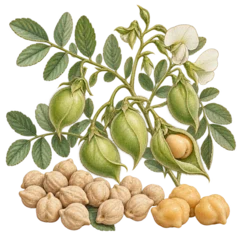
Cicer arietinum
Cultivated/traditional processing: India and West Asia.
Cooked pulses and flour in savoury foods and breads.
Comparison & sources
Same material and preparation as the existing inventory entry; add regional indexing without duplicating.
Library entry 243. Read its cautions.
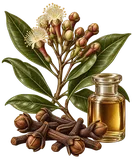
Syzygium aromaticum
Cultivated source plant: Indonesia and India; distillation yields a distinct concentrated material.
Fragrance and regulated formulated uses; no ingestion or neat-skin recommendation.
Comparison & sources
Same material and preparation as the existing inventory entry; add regional indexing without duplicating.
Library entry 38. Read its cautions.
Syzygium aromaticum
Cultivated: Indonesia and southern India.
Unopened dried flower buds used as spice.
Comparison & sources
Same material and preparation as the existing inventory entry; add regional indexing without duplicating.
Library entry 88. Read its cautions.
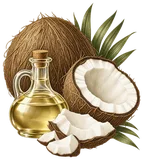
Cocos nucifera
Traditional processing and cultivation: Sri Lanka and tropical Asia.
Fixed kernel oil used for cooking and manufactured products.
Comparison & sources
Same material and preparation as the existing inventory entry; add regional indexing without duplicating.
Library entry 27. Read its cautions.
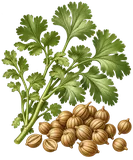
Coriandrum sativum
Cultivated: India and Iraq; long-established South and West Asian ingredient.
Seeds season cooked dishes; fresh leaves supply a different aroma.
Comparison & sources
Same material and preparation as the existing inventory entry; add regional indexing without duplicating.
Library entry 95. Read its cautions.
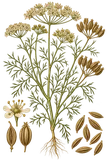
Cuminum cyminum
Cultivated and traditional use: India; wider West and South Asian cooking.
Whole or ground fruits season curries and spice blends.
Comparison & sources
Same material and preparation as the existing inventory entry; add regional indexing without duplicating.
Library entry 122. Read its cautions.
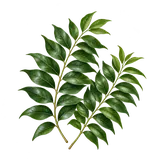
Herbs · Plant foods
Added in this update
Bergera koenigii (syn. Murraya koenigii)
Cultivated and traditional use: Singapore and South Asian food traditions.
Leaves flavour curries, dal, soups and snacks.
Comparison & sources
No equivalent material/preparation entry found in the 291-item inventory.
Library entry 345. Read its cautions.
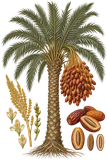
Phoenix dactylifera
Cultivated: Arabian Peninsula, Iran, Iraq and Pakistan; long-established arid-region crop.
Fresh or dried fruit and processed date foods.
Comparison & sources
Same material and preparation as the existing inventory entry; add regional indexing without duplicating.
Library entry 145. Read its cautions.
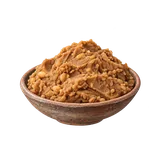
Fermented plant foods · Plant foods
Added in this update
Glycine max; mixed microbial fermentation
Traditional processing: Korea; part of household jang-making culture.
Fermented soybean paste for soups, stews and seasonings.
Comparison & sources
Distinct Korean meju-based process and culinary tradition; do not merge with miso merely because both use soy.
Library entry 366. Read its cautions.
Plant foods
Added in this update
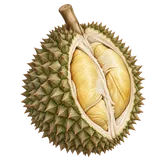
Durio zibethinus
Native: Sumatra and Borneo; cultivated across Southeast Asia.
Ripe edible arils, fresh or in desserts.
Comparison & sources
No equivalent material/preparation entry found in the 291-item inventory.
Library entry 358. Read its cautions.
Plant foods
Added in this update
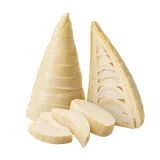
Phyllostachys edulis, Dendrocalamus asper and other authenticated food species
Cultivated/traditional processing: China and Thailand.
Properly processed and thoroughly cooked young shoots; not raw juice.
Comparison & sources
Use a food-species overview; raw shoots may release cyanide. Do not imply arbitrary bamboo species are edible.
Library entry 361. Read its cautions.
Plant foods
Added in this update
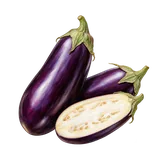
Solanum melongena
Cultivated: South and Southeast Asia, including Singapore.
Cooked fruit used as a vegetable.
Comparison & sources
No equivalent material/preparation entry found in the 291-item inventory.
Library entry 360. Read its cautions.
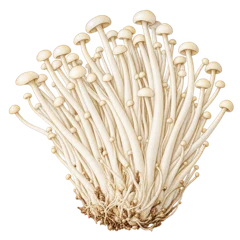
Flammulina filiformis
Cultivated/traditional use: East Asia, including Japan.
Cook thoroughly for soups and cooked dishes.
Comparison & sources
Exact existing food; preserve modern East Asian F. filiformis identification. Older MAFF references use F. velutipes broadly.
Library entry 211. Read its cautions.
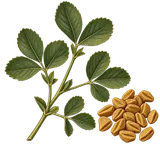
Trigonella foenum-graecum
Cultivated and traded: Indian spice crop and South Asian ingredient.
Seeds used in spice mixtures; distinguish culinary leaf forms.
Comparison & sources
Same material and preparation as the existing inventory entry; add regional indexing without duplicating.
Library entry 90. Read its cautions.
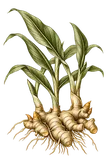
Zingiber officinale
Cultivated: India; long-established Asian culinary crop.
Fresh or dried rhizome seasoning.
Comparison & sources
Same material and preparation as the existing inventory entry; add regional indexing without duplicating.
Library entry 6. Read its cautions.
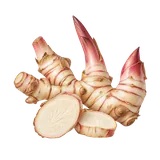
Spices · Plant foods
Added in this update
Alpinia galanga
Cultivated and traditional use: Southeast Asia, including Singapore, Malaysia and Thailand.
Rhizome flavours cooked curries and aromatic pastes.
Comparison & sources
No equivalent material/preparation entry found in the 291-item inventory.
Library entry 344. Read its cautions.
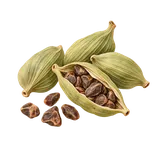
Spices · Plant foods
Added in this update
Elettaria cardamomum
Native and cultivated: Western Ghats, India.
Aromatic dried capsules and seeds.
Comparison & sources
No equivalent material/preparation entry found in the 291-item inventory.
Library entry 339. Read its cautions.
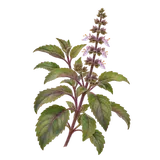
Herbs · Plant foods
Added in this update
Ocimum tenuiflorum
Native/cultivated: tropical and subtropical Asia; sacred in Hindu traditions.
Aromatic culinary leaf and culturally important herb; no extract efficacy claim.
Comparison & sources
Distinct species from existing sweet basil doc 96.
Library entry 346. Read its cautions.
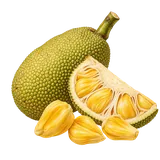
Plant foods
Added in this update
Artocarpus heterophyllus
Native/cultivated: tropical Asia; established in South and Southeast Asian cuisines.
Ripe flesh as fruit; young flesh and cooked seeds in foods.
Comparison & sources
No equivalent material/preparation entry found in the 291-item inventory.
Library entry 357. Read its cautions.
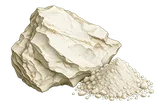
Kaolinite-rich clay; principally Al2Si2O5(OH)4
Geological/traditional processing: Jingdezhen, China, and its porcelain-making deposits.
Ceramic and manufactured external-use material; no ingestion recommendation.
Comparison & sources
Same kaolin as doc 99; add geological and craft heritage, not a new edible or mineral-supplement claim.
Library entry 99. Read its cautions.
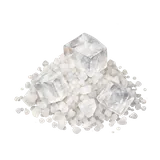
Minerals
Added in this update
Halite; chiefly sodium chloride, NaCl
Geological: Salt Range, Punjab, Pakistan; Khewra mining heritage.
Mineral and material reference; food-grade salt is a seasoning, not a trace-mineral cure.
Comparison & sources
New sodium-chloride geological material, not equivalent to iodine, potassium citrate or baking soda. No intake, detox or salt-lamp health recommendation.
Library entry 311. Read its cautions.
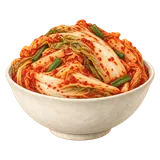
Fermented plant foods · Plant foods
Added in this update
Brassica rapa Pekinensis Group, Raphanus sativus and other vegetables
Traditional processing: Korea; kimjang is the communal preservation tradition.
Fermented vegetables served as a side dish.
Comparison & sources
Many traditional formulations contain seafood. For this plant-food collection include explicitly seafood-free variants, without implying all kimchi is vegan.
Library entry 365. Read its cautions.
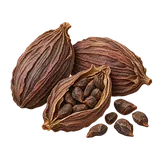
Spices · Plant foods
Added in this update
Amomum subulatum
Cultivated: Himalayan Sikkim and Darjeeling, India.
Dried aromatic capsules in savoury spice preparations.
Comparison & sources
No equivalent material/preparation entry found in the 291-item inventory.
Library entry 340. Read its cautions.
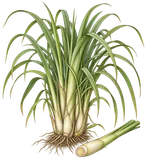
Cymbopogon citratus
Cultivated/traditional use: Southeast Asia, including Singapore; precise wild origin is uncertain.
Leaf sheaths and leaves flavour soups and cooked dishes.
Comparison & sources
Same material and preparation as the existing inventory entry; add regional indexing without duplicating.
Library entry 201. Read its cautions.
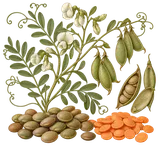
Lens culinaris
Cultivated and traditional food: India and Bangladesh, with wider West Asian use.
Cooked whole or split pulses in dal and soups.
Comparison & sources
Same material and preparation as the existing inventory entry; add regional indexing without duplicating.
Library entry 149. Read its cautions.
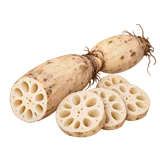
Plant foods
Added in this update
Nelumbo nucifera
Native/cultivated: Asia; established Chinese vegetable use.
Underground stem cooked in soups and stir-fries.
Comparison & sources
Distinct edible organ from lotus seeds; the common name root refers botanically to a rhizome.
Library entry 359. Read its cautions.
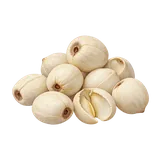
Seeds · Plant foods
Added in this update
Nelumbo nucifera
Native/cultivated: Asia; Chinese lotus-seed paste tradition.
Cooked seeds or paste in soups and pastries.
Comparison & sources
Seed food differs meaningfully from lotus rhizome by plant part, composition and cooking use.
Library entry 349. Read its cautions.
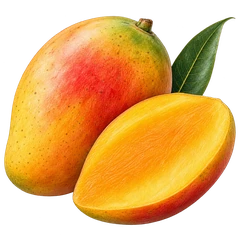
Mangifera indica
Native/cultivated: South Asia; widely grown through tropical Asia.
Ripe fruit and green-fruit culinary preparations.
Comparison & sources
Same material and preparation as the existing inventory entry; add regional indexing without duplicating.
Library entry 267. Read its cautions.
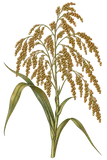
Multiple cereal taxa, including Panicum miliaceum, Setaria italica and Eleusine coracana; historical biblical identity unresolved
Cultivated: India and Himalayan Asia; some species were introduced from Africa.
Cooked grains or flour for regional staple foods.
Comparison & sources
Links to entry151 only as the modern millet group overview. Pearl millet, finger millet and Australian native-millet selections remain separately identified species or research records; do not transfer species-specific composition or preparation across the group.
Library entry 151. Read its cautions.
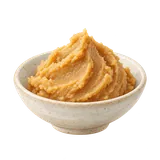
Fermented plant foods · Plant foods
Added in this update
Glycine max; rice or barley koji depending on type
Traditional processing: Japan, with regional rice-, barley- and soybean-koji traditions.
Fermented soybean seasoning paste for soups and sauces.
Comparison & sources
Distinct process/product from unfermented tofu and from Korean doenjang.
Library entry 362. Read its cautions.
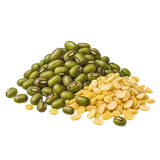
Plant foods
Added in this update
Vigna radiata
Cultivated: Thailand, Laos and other South/Southeast Asian countries.
Cooked pulses for savoury dishes and sweets.
Comparison & sources
Whole mature pulse is not equivalent to the existing generic edible-sprouts overview doc 286.
Library entry 354. Read its cautions.
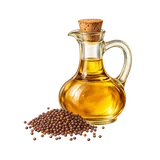
Food & carrier oils
Added in this update
Brassica juncea and other identified edible-oil mustard sources
Traditional processing/use: India, notably West Bengal.
Regional fixed cooking oil; use only products sold as food where permitted.
Comparison & sources
Distinct extracted fixed oil from doc 129 mustard seed/plant; not volatile mustard oil. Erucic-acid content and local food standards need full-card caution.
Library entry 350. Read its cautions.
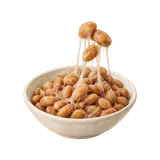
Fermented plant foods · Plant foods
Added in this update
Glycine max; Bacillus subtilis var. natto fermentation
Traditional processing: Japan, including regional natto traditions.
Fermented whole soybeans, commonly eaten with rice.
Comparison & sources
No equivalent material/preparation entry found in the 291-item inventory.
Library entry 363. Read its cautions.
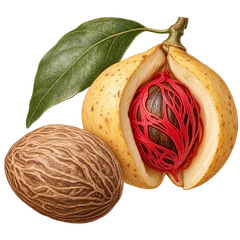
Myristica fragrans
Native: Indonesian Moluccas; cultivated in India.
Seed kernel used sparingly as spice.
Comparison & sources
Same material and preparation as the existing inventory entry; add regional indexing without duplicating.
Library entry 276. Read its cautions.
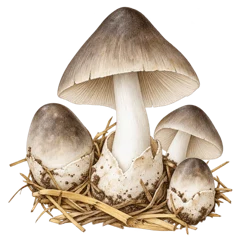
Volvariella volvacea
Cultivated: Thailand and other Southeast Asian countries.
Cooked cultivated mushroom in regional meals.
Comparison & sources
Same material and preparation as the existing inventory entry; add regional indexing without duplicating.
Library entry 217. Read its cautions.
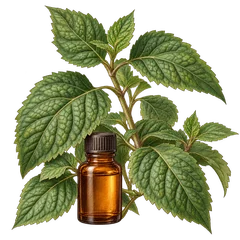
Pogostemon cablin
Cultivated/processed: Southeast Asia, including Malaysia and Indonesia.
Leaf-derived volatile oil used in perfumery.
Comparison & sources
Same material and preparation as the existing inventory entry; add regional indexing without duplicating.
Library entry 206. Read its cautions.
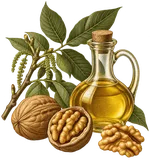
Juglans regia
Native/cultivated: Kyrgyzstan walnut-fruit forests and regional food economies.
Kernels eaten as food or used in confectionery.
Comparison & sources
Same material and preparation as the existing inventory entry; add regional indexing without duplicating.
Library entry 156. Read its cautions.
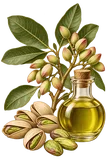
Pistacia vera
Native/cultivated: Iran, Afghanistan and Central Asia.
Edible kernels eaten plain or incorporated in foods.
Comparison & sources
Same material and preparation as the existing inventory entry; add regional indexing without duplicating.
Library entry 153. Read its cautions.
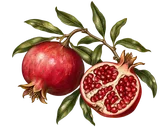
Punica granatum
Cultivated: Iran, including Saveh and other longstanding orchard regions.
Fresh arils and tart fruit sauces.
Comparison & sources
Same material and preparation as the existing inventory entry; add regional indexing without duplicating.
Library entry 154. Read its cautions.
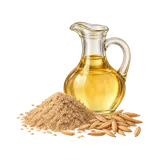
Food & carrier oils
Added in this update
Oryza sativa
Traditional/commercial processing: Asian rice-producing regions, including India and Japan.
Oil separated from stabilized bran for culinary use.
Comparison & sources
Distinct rice milling fraction and extracted fixed oil, not another grain variety.
Library entry 351. Read its cautions.
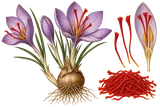
Crocus sativus
Cultivated: Iran, including the Gonabad qanat-based farming system.
Dried stigmas provide colour and fragrance in food.
Comparison & sources
Same material and preparation as the existing inventory entry; add regional indexing without duplicating.
Library entry 134. Read its cautions.
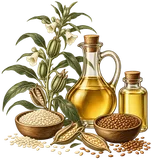
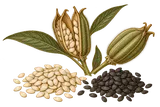
Sesamum indicum
Traditional processing: roasted seeds pressed for oil in China, Japan and Korea.
Fixed culinary oil for seasoning and cooking.
Comparison & sources
Same material and preparation as the existing inventory entry; add regional indexing without duplicating.
Library entry 66. Read its cautions.
Sesamum indicum
Cultivated/traditional processing: China, Japan and Korea; wider Asian seed crop.
Whole seeds used as food and garnish; separate from extracted oil.
Comparison & sources
Same material and preparation as the existing inventory entry; add regional indexing without duplicating.
Library entry 161. Read its cautions.
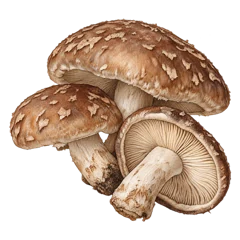
Lentinula edodes
Cultivated/traditional use: China and Japan.
Cooked fresh or dried mushroom in savoury dishes.
Comparison & sources
Same material and preparation as the existing inventory entry; add regional indexing without duplicating.
Library entry 207. Read its cautions.
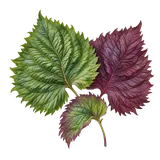
Herbs · Plant foods
Added in this update
Perilla frutescens var. crispa
Cultivated/traditional use: Japan.
Green leaves garnish food; red leaves colour pickles.
Comparison & sources
No equivalent material/preparation entry found in the 291-item inventory.
Library entry 347. Read its cautions.
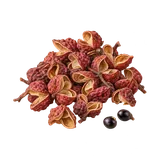
Spices · Plant foods
Added in this update
Zanthoxylum bungeanum and Zanthoxylum armatum
Cultivated and traditional use: China, especially Sichuan.
Aromatic fruit husks give characteristic tingling; not Piper peppercorns.
Comparison & sources
Distinct genus, material and culinary effect from doc 274 peppercorn.
Library entry 343. Read its cautions.
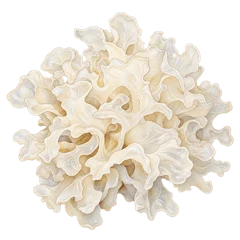
Tremella fuciformis
Traditional food preparation: China.
Cooked until gelatinous in sweet soups, often with pear.
Comparison & sources
Same material and preparation as the existing inventory entry; add regional indexing without duplicating.
Library entry 213. Read its cautions.
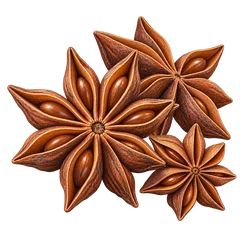
Illicium verum
Native/cultivated: southeastern China; established in Chinese five-spice mixtures.
Culinary dried fruit; exclude toxic Japanese star anise.
Comparison & sources
Same material and preparation as the existing inventory entry; add regional indexing without duplicating.
Library entry 278. Read its cautions.
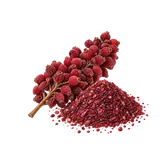
Spices · Plant foods
Added in this update
Rhus coriaria
Traditional processing/use: Palestine and neighbouring West Asian cuisines.
Ground dried fruit provides tartness, including in Palestinian musakhan.
Comparison & sources
No equivalent material/preparation entry found in the 291-item inventory.
Library entry 342. Read its cautions.
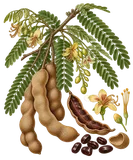
Tamarindus indica
Introduced/traded and traditional use: Singapore and Malaysia; not claimed as Asian-native.
Sour-sweet fruit pulp flavours sauces and dishes.
Comparison & sources
Same material and preparation as the existing inventory entry; add regional indexing without duplicating.
Library entry 110. Read its cautions.
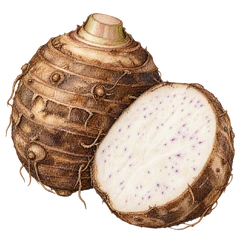
Colocasia esculenta
Native/cultivated: tropical Asia; longstanding Asian corm-food traditions.
Properly cooked corm; never treat raw taro as ready to eat.
Comparison & sources
Same species/material as Dasheen doc 265. Expand Asian connections rather than duplicating under taro.
Library entry 265. Read its cautions.
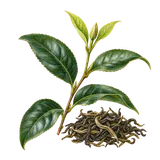
Herbs · Plant foods
Added in this update
Camellia sinensis
Cultivated: China, India, Japan and Korea; longstanding tea-processing traditions.
Infused processed leaves, including green and black teas.
Comparison & sources
Green tea extract doc 81 is related but is not equivalent to ordinary brewed tea. Keep beverage and concentrated extract clearly distinct.
Library entry 348. Read its cautions.
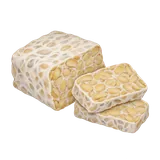
Fermented plant foods · Plant foods
Added in this update
Glycine max; Rhizopus species fermentation
Traditional processing: Indonesia; community tempe-making knowledge.
Cooked fermented bean cake used as a substantial food.
Comparison & sources
Distinct mold-fermented bean structure and preparation from tofu, natto and seasoning pastes.
Library entry 364. Read its cautions.
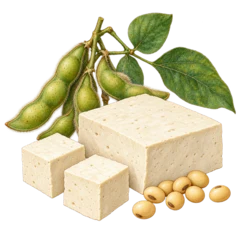
Glycine max
Traditional processing: tofu developed in China and spread to Japan and elsewhere in Asia.
Cooked soybeans and coagulated soy milk foods; ordinary tofu is not fermented.
Comparison & sources
Same material and preparation as the existing inventory entry; add regional indexing without duplicating.
Library entry 242. Read its cautions.
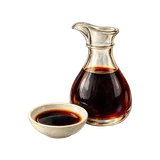
Fermented plant foods · Plant foods
Added in this update
Glycine max and usually Triticum aestivum; koji, yeast and bacterial fermentation
Traditional processing: China and Japan; Japanese shoyu has multiple regional styles.
Fermented liquid seasoning; distinguish from chemically hydrolysed imitations.
Comparison & sources
A distinct brewed condiment, not a duplicate of tofu or whole soybeans. Many styles contain wheat.
Library entry 367. Read its cautions.
Cinnamomum verum
Native: Sri Lanka; cultivated in southern India.
Dried inner bark flavours food.
Comparison & sources
Same material and preparation as the existing inventory entry; add regional indexing without duplicating.
Library entry 121. Read its cautions.
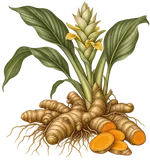
Curcuma longa
Cultivated: India, including southern and northeastern states.
Rhizome supplies culinary colour and flavour.
Comparison & sources
Same material and preparation as the existing inventory entry; add regional indexing without duplicating.
Library entry 17. Read its cautions.
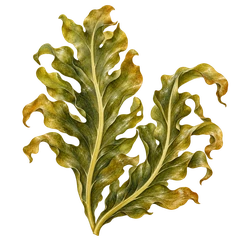
Undaria pinnatifida
Cultivated/traditional processing: Japan, Korea and China.
Edible brown seaweed in soups and other foods.
Comparison & sources
Same material and preparation as the existing inventory entry; add regional indexing without duplicating.
Library entry 290. Read its cautions.
Triticum aestivum and Triticum durum
Domesticated/cultivated: West Asia, with longstanding spread across Central and South Asia.
Flour, grain and regional breads or noodles.
Comparison & sources
Same material and preparation as the existing inventory entry; add regional indexing without duplicating.
Library entry 157. Read its cautions.
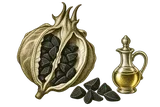
Nigella sativa
Native and cultivated: Kew places the native range from southeastern Europe into western and southwestern Iran; ICAR documents cultivation in India and use in breads, pickles and curries.
Food-grade ripe seeds used sparingly as a culinary seasoning; black-seed oil and extracts are separate preparations.
Comparison & sources
Adds a western Asian seed spice absent from the main selection and resolves the “black cumin” name without duplicating true cumin. Already present in the library before this supplemental selection.
Library entry 123. Read its cautions.
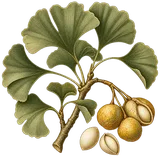
Ginkgo biloba
Native source tree: China; long cultivation and cultural history also extend to Japan and Korea. Tree heritage is separate from modern leaf-extract use.
Botanical and herbal reference. Leaf extracts and the potentially toxic seeds are different materials, and the tree’s cultural symbolism is not a treatment claim.
Comparison & sources
Adds an exceptionally distinctive East Asian tree and its cultivation history without implying that modern leaf supplements reproduce ancient seed preparations. Already present in the library before this supplemental selection.
Library entry 25. Read its cautions.
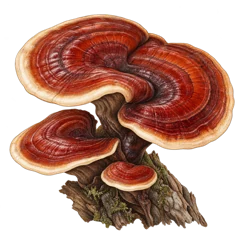
Ganoderma sichuanense / G. lingzhi, East Asian cultivated red lingzhi; nomenclature remains disputed
Cultural and cultivated: Chinese lingzhi appears in a Ming-dynasty textile with longevity characters; taxonomic research distinguishes cultivated Chinese lingzhi from European G. lucidum sensu stricto.
Cultural and herbal-history reference, including auspicious art. Longevity symbolism is not evidence of longer life or a recommendation to eat wild fungi.
Comparison & sources
Adds museum-grounded non-food mushroom history and an important identity distinction, complementing the main shelf’s culinary fungi. Already present in the library before this supplemental selection.
Library entry 208. Read its cautions.
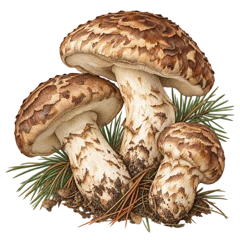
Tricholoma matsutake
Food tradition and forest stewardship: Japan’s agriculture ministry documents matsutake rice in Kyoto and woodland management supporting the harvest.
Properly identified, commercially supplied matsutake cooked in seasonal rice and other dishes. A regional listing is not a wild-mushroom identification guide.
Comparison & sources
Adds a distinctive seasonal Japanese food and forest relationship rather than another interchangeable cultivated mushroom. Already present in the library before this supplemental selection.
Library entry 215. Read its cautions.
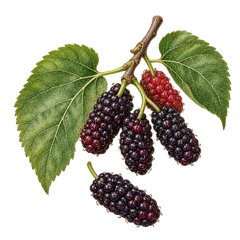
Morus spp.; regional example Morus alba
Native and cultivated regional example: white mulberry, Morus alba, is native to China and is widely cultivated there. Other species in the linked fruit card have different origins.
Ripe, identified mulberry fruit eaten fresh, dried or in preserves. Silk production is source-tree context using leaves, not a use of the fruit.
Comparison & sources
Adds a temperate Asian fruit and the useful fruit-versus-silkworm-leaf distinction without assigning one origin to every mulberry. Already present in the library before this supplemental selection.
Library entry 289. Read its cautions.
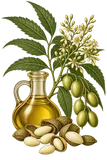
Azadirachta indica; seed-kernel fixed oil
Native source plant and practical tradition: Assam to Indo-China; National Research Council documentation describes neem-oil soap-making and lubrication in India.
Non-culinary fixed oil with soap, cosmetic and technical uses. Do not ingest neem oil or substitute a pesticide product for a skin preparation.
Comparison & sources
Adds a clearly non-food oil and practical Indian manufacturing history, with plant part and safety kept explicit. Already present in the library before this supplemental selection.
Library entry 74. Read its cautions.
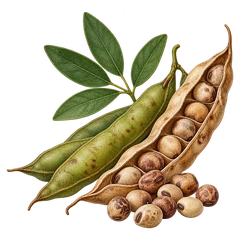
Cajanus cajan
Domesticated and culinary: genetic research supports primary domestication in India, and ICRISAT describes pigeonpea / toor dal as an Indian-subcontinent staple.
Cooked split pigeon peas in dal and other pulse dishes; distinct from mung bean, chickpea and lentil.
Comparison & sources
Adds a major South Asian pulse omitted from the main list, with stronger agricultural evidence than a generic popularity claim. Already present in the library before this supplemental selection.
Library entry 261. Read its cautions.
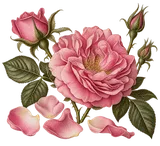
Floral waters & hydrosols
Rose-flower aqueous distillate, commonly Rosa × damascena
Cultural and traded: a late-eighteenth-century Mughal Indian rosewater sprinkler documents perfumed hospitality; a later Indian-market vessel records related trade.
Aqueous floral fragrance used in hospitality and perfuming. Rosewater is a hydrosol, not concentrated rose essential oil.
Comparison & sources
Adds a distinct aromatic-water preparation with two concrete museum objects, rather than relabelling an essential oil. Already present in the library before this supplemental selection.
Library entry 78. Read its cautions.
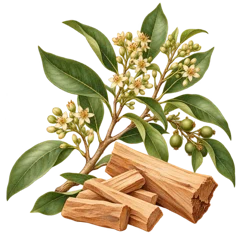
Resins, woods & plant materials
Santalum album; identified heartwood
Native and cultural source wood: Kew places the native range from Java toward northern Australia; long cultivation and aromatic-wood traditions connect the material with South and Southeast Asia.
Fragrant heartwood for carving and perfumery-source history. This is wood, not bottled essential oil or red sandalwood.
Comparison & sources
Adds a named carving and aromatic-wood material, with native range kept separate from the familiar “Indian sandalwood” name. Already present in the library before this supplemental selection.
Library entry 236. Read its cautions.
Resins, woods & plant materials
Nardostachys jatamansi
Native and cultural: Himalaya to parts of China and northern Myanmar; field research in Tibet’s Gyirong Valley records aromatic roots used in incense rituals.
Aromatic root/rhizome and incense history. This does not establish medical efficacy or encourage wild harvesting.
Comparison & sources
Adds a specifically attributed Himalayan practice and aromatic underground plant material, rather than another spice or essential-oil bottle. Already present in the library before this supplemental selection.
Library entry 135. Read its cautions.