

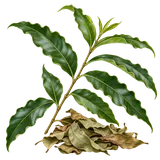
Syzygium anisatum
native; Australia, northern New South Wales
Anise-flavoured leaf seasoning.
Comparison & sources
No equivalent material found in the 291-entry inventory.
Library entry 474. Read its cautions.
THE WORLD REFERENCE SHELF
Familiar ingredients, regional traditions and discoveries worth a closer look.
Six curated lists contain 70 selections each. Antarctica has a shorter, clearly separated research reference. A selection can belong to several regional traditions, so row totals are not unique ingredient totals. Entries receive full journal pages after identity, source and safety review.
Read the cautions firstISLANDS & REGIONAL TRADITIONS
Explore plants linked by sources to the Caribbean, Pacific and Atlantic. A plant may appear in more than one collection. Each plant has one ingredient journal.
611 of 615 ingredient entries have decorative illustrations. Artwork for the remaining 4 entries is being added in stages. Illustrations are not identification references.
Under each region, Explore more offers a few extra choices. We look for clear sources that link each choice to the region, along with useful history, uses and variety. A list may have fewer than ten items. These lists do not rank items by popularity or health benefits.
Some ingredients fit more than one group. A food may also appear under spices, seeds, fermented foods or cooking herbs. Entries kept only for research do not get extra food labels. Different types of oil stay separate. Sorting changes the order, not the number of choices.
78 regional selections in this complete continental list.
No selections match. Try fewer filters.
A curated regional selection based on documented association, historical interest and useful variety. This is not a measured popularity or health ranking. Native origin, introduced cultivation, trade and traditional processing are identified separately.
Syzygium anisatum
native; Australia, northern New South Wales
Anise-flavoured leaf seasoning.
No equivalent material found in the 291-entry inventory.
Library entry 474. Read its cautions.
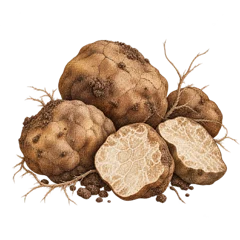
Mushrooms
Elderia arenivaga; Mycoclelandia bulundari and related taxa
native; central Australia
Documented Aboriginal seasonal food traditions.
Existing card already distinguishes taxa and attributed traditions; retain no-foraging warnings.
Library entry 231. Read its cautions.
Seeds
Reference only
Panicum species; species must be identified
native; central Australia
Traditional seed flour.
Distinct regional taxonomic scope from biblical/modern millet doc 151; species-resolved card research required.
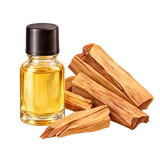
Santalum spicatum
native and cultivated; Western Australia
Perfumery and cosmetic fragrance.
Different species and material from Santalum album source wood doc 236; sustainable legal sourcing required.
Library entry 491. Read its cautions.
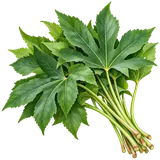
Abelmoschus manihot
cultivated; Papua New Guinea, Fiji, Solomon Islands, Vanuatu and Samoa
Cooked leafy vegetable.
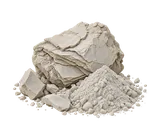
Smectite-rich clay, commonly montmorillonite
geological; New Zealand, Harper Hills
Industrial absorbent and drilling material.
Composition varies; no ingestion, detoxification or raw-skin application claim.
Library entry 396. Read its cautions.
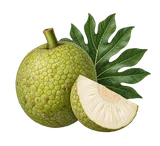
Artocarpus altilis
cultivated; Samoa, Hawaiʻi, Fiji and Micronesia
Cooked starchy fruit.
No equivalent material found in the 291-entry inventory.
Library entry 416. Read its cautions.
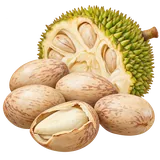
Artocarpus camansi
native/cultivated; New Guinea
Cooked starchy seeds.
Different species and food focus from seedless breadfruit; sparse elsewhere in Oceania.
Library entry 497. Read its cautions.
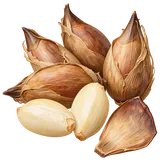
Araucaria bidwillii
native; Australia, Queensland
Food seeds with Aboriginal gathering traditions.
No equivalent material found in the 291-entry inventory.
Library entry 487. Read its cautions.
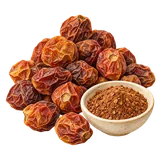
Solanum centrale
native; central Australia
Authenticated ripe, dried fruit seasoning.
Separate from ordinary tomatoes and toxic Solanum lookalikes; no wild-identification guide.
Library entry 477. Read its cautions.
Plant foods
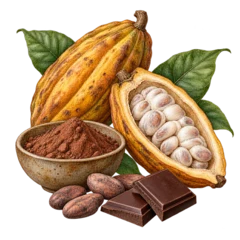
Theobroma cacao
introduced/traded and cultivated; Papua New Guinea
Cocoa and chocolate ingredient.
Expand PNG regional production; fermentation is already part of cocoa processing, not a duplicate selection.
Library entry 246. Read its cautions.
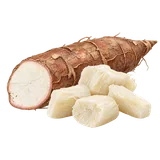
Manihot esculenta
introduced/traded and cultivated; Pacific islands including Fiji
Professionally or traditionally safely processed root food.
Cyanogenic food; no home detoxification protocol; species/form hazard review required.
Library entry 335. Read its cautions.
Plant foods
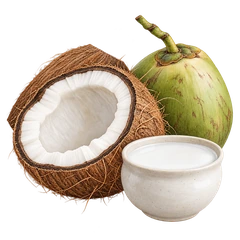
Cocos nucifera
cultivated; Samoa, Fiji, Vanuatu and Micronesia
Food flesh, beverage and culinary milk.
Already in the library; this note supplies its documented regional connection.
Library entry 284. Read its cautions.
Food & carrier oils
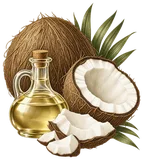
Cocos nucifera
cultivated; Fiji, Samoa, Vanuatu and Papua New Guinea
Extracted coconut oil for food or separately specified products.
Already in the library; this note supplies its documented regional connection.
Library entry 27. Read its cautions.
Plant foods
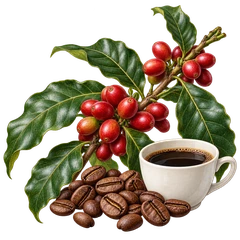
Coffea arabica; Coffea canephora
introduced/traded and cultivated; Papua New Guinea
Roasted coffee beverage.
Already in the library; this note supplies its documented regional connection.
Library entry 288. Read its cautions.
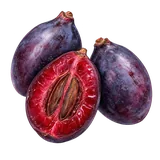
Davidsonia jerseyana; Davidsonia pruriens
native; Australia, eastern rainforest regions
Tart fruit for preserves.
No equivalent material found in the 291-entry inventory.
Library entry 478. Read its cautions.
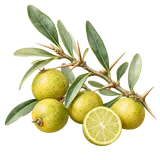
Citrus glauca
native; inland Australia
Citrus fruit for food flavouring.
No equivalent material found in the 291-entry inventory.
Library entry 483. Read its cautions.
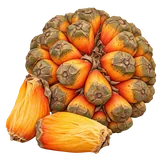
Pandanus tectorius, edible cultivars
native/cultivated; Marshall Islands and Kiribati
Fruit segments and prepared pulp.
Not fragrant pandan leaf; cultivar and regional preparation distinctions matter.
Library entry 506. Read its cautions.
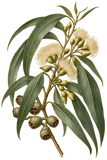
Essential oils
Eucalyptus polybractea and other specified oil-producing Eucalyptus species
native and cultivated; Australia
Distilled aromatic product ingredient.
Expand Australian oil-mallee context; retain species/chemotype and non-ingestion distinctions.
Library entry 34. Read its cautions.
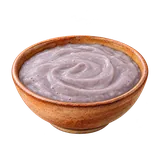
Colocasia esculenta
traditional processing; Hawaiʻi
Fermented cooked-taro food.
Meaningful preparation distinct from taro doc 265; fresh poi is not necessarily fermented; no home fermentation protocol.
Library entry 513. Read its cautions.
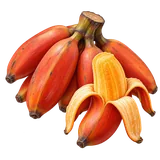
Musa Feʻi cultivar group
cultivated; Pohnpei and wider Pacific
Regional cooking and dessert banana cultivars.
Distinct Pacific lineage/cultivar group from Burro bananas doc 253; do not equate nutrient values.
Library entry 507. Read its cautions.
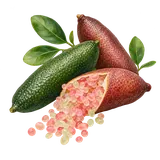
Citrus australasica
native; eastern Australia
Citrus vesicles as food garnish.
No equivalent material found in the 291-entry inventory.
Library entry 485. Read its cautions.
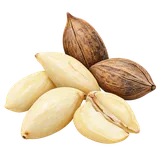
Canarium indicum
native/cultivated; Papua New Guinea, Solomon Islands and Vanuatu
Edible nut and ingredient.
No equivalent material found in the 291-entry inventory.
Library entry 510. Read its cautions.
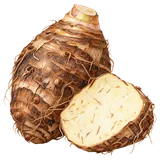
Cyrtosperma merkusii
cultivated; Kiribati, Marshall Islands, Yap and Palau
Prepared corm staple.
Distinct from Colocasia taro and Xanthosoma; species-specific safe preparation essential.
Library entry 504. Read its cautions.
Plant foods
Reference only
Alocasia macrorrhizos
cultivated; Samoa, Palau and Hawaiʻi
Traditionally processed starchy food.
Hazardous raw and easy to confuse with ornamental aroids; preparation assessment needed.
Spices · Plant foods
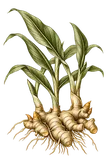
Zingiber officinale
introduced/traded and cultivated; Fiji
Culinary rhizome.
Already in the library; this note supplies its documented regional connection.
Library entry 6. Read its cautions.
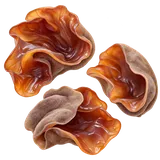
Auricularia cornea
native; New Zealand
Documented Māori food fungus.
Not exact match to doc 210 Auricularia heimuer; preserve taxonomic distinction and safe commercial sourcing.
Library entry 499. Read its cautions.
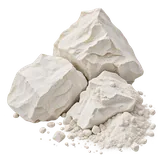
Halloysite, hydrated aluminosilicate
geological; New Zealand, Matauri Bay
Ceramic raw material.
Geological/material reference only; not edible or approved skin-care clay.
Library entry 498. Read its cautions.
Mushrooms
Reference only
Armillaria novae-zelandiae and other locally identified Armillaria species
native; New Zealand
Documented Māori food fungus.
Local name covers multiple fungi; species and preparation need specialist review; no foraging guide.
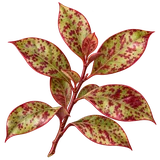
Pseudowintera colorata
native; New Zealand
Peppery aromatic leaf.
No equivalent material found in the 291-entry inventory.
Library entry 501. Read its cautions.
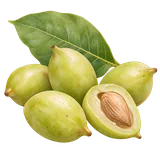
Terminalia ferdinandiana
native; northern Australia
Fruit and prepared food ingredient.
No equivalent material found in the 291-entry inventory.
Library entry 480. Read its cautions.
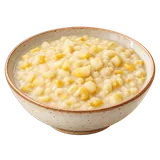
Zea mays
traditional processing; Māori communities, New Zealand
Fermented maize food.
Distinct from fresh maize; historical practice is not a modern food-safety protocol.
Library entry 515. Read its cautions.
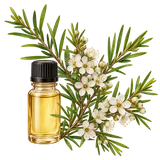
Kunzea species, commonly Kunzea ericoides sensu lato
native and cultivated; New Zealand
Commercial aromatic oil ingredient.
Taxonomically verify the actual source species; distinguish from mānuka oil.
Library entry 494. Read its cautions.
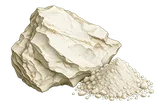
Clays
Kaolinite-rich clay
geological; Australia, New South Wales
Ceramic and industrial mineral material.
Expand geological sourcing only; raw deposits are not cosmetic/food grade.
Library entry 99. Read its cautions.
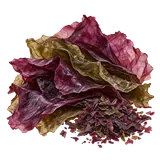
Edible Pyropia and Porphyra sensu lato species
native; New Zealand coasts
Dried or cooked edible red seaweed.
Not wakame doc 290; food-grade sourcing and iodine variability need full-card caution.
Library entry 503. Read its cautions.
Herbs
Reference only
Piper methysticum
cultivated and culturally significant; Vanuatu, Fiji and Samoa
Traditional social and ceremonial beverage.
Research/cultural reference only; no dose, DIY preparation or medical claim; product-specific safety and interactions require review.
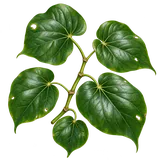
Piper excelsum
native; New Zealand
Leaf infusion in Māori food contexts.
No equivalent material found in the 291-entry inventory.
Library entry 500. Read its cautions.
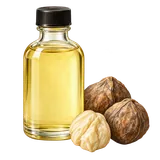
Aleurites moluccanus
introduced/traded; Hawaiʻi, Polynesian introduction
Historical lighting oil; separate cosmetic oil products.
Not a raw nut food recommendation; no extraction or ingestion instructions.
Library entry 496. Read its cautions.
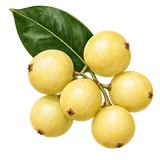
Acronychia acidula
native; Australia, Queensland
Tart native fruit ingredient.
No equivalent material found in the 291-entry inventory.
Library entry 482. Read its cautions.
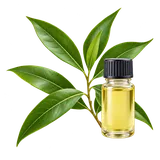
Backhousia citriodora
native and cultivated; Australia
Distilled fragrance ingredient.
Concentrated distillate is not culinary leaf or a home-use oral flavouring.
Library entry 492. Read its cautions.
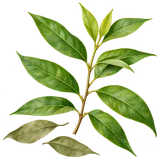
Backhousia citriodora
native; Australia, Queensland
Citrus-scented culinary leaf.
No equivalent material found in the 291-entry inventory.
Library entry 473. Read its cautions.
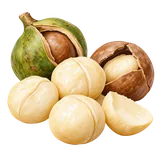
Macadamia integrifolia; Macadamia tetraphylla and their hybrids
native and cultivated; Australia, Queensland and New South Wales
Edible kernels and baking ingredient.
Whole kernels are distinct from existing macadamia oil doc 64; exclude non-food Macadamia species.
Library entry 486. Read its cautions.
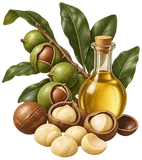
Food & carrier oils
Macadamia integrifolia; Macadamia tetraphylla
cultivated; Australia
Pressed culinary oil.
Already in the library; this note supplies its documented regional connection.
Library entry 64. Read its cautions.
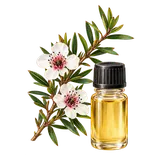
Leptospermum scoparium
native and cultivated; New Zealand
Commercial aromatic oil ingredient.
Separate from Australian Melaleuca tea tree oil and honey.
Library entry 493. Read its cautions.
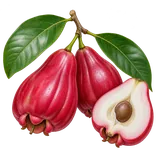
Syzygium malaccense
introduced/traded and cultivated; Hawaiʻi and wider Pacific
Fresh fruit.
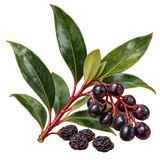
Tasmannia lanceolata
native; Australia, Tasmania and Victoria
Peppery culinary seasoning.
No equivalent material found in the 291-entry inventory.
Library entry 475. Read its cautions.
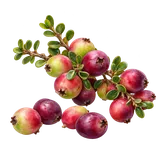
Kunzea pomifera
native; southern Australia
Small fruit for food products.
No equivalent material found in the 291-entry inventory.
Library entry 481. Read its cautions.
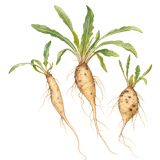
Microseris walteri
native; Australia, Victoria and southern regions
Traditionally cultivated edible tuber.
Use current Microseris walteri identity; older literature often uses M. lanceolata broadly.
Library entry 489. Read its cautions.
Plant foods
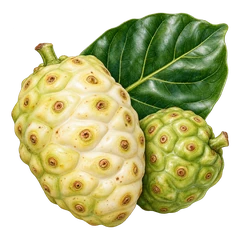
Morinda citrifolia
cultivated; Pacific islands including Samoa and Hawaiʻi
Prepared fruit products.
Expand regional food context without converting traditional use into therapeutic claims.
Library entry 255. Read its cautions.
Minerals
Reference only
Iron-oxide-bearing earths; variable mineral mixtures
geological and cultural; central Australia, Warlpiri Country
Pigments in specifically attributed cultural contexts.
Respect community-controlled knowledge and access; no ingestion or generic cosmetic formulation.
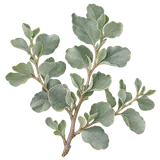
Atriplex nummularia
native; Australia
Salty culinary leaves.
Not an exact match to ambiguous biblical mallows/saltbush doc 137.
Library entry 490. Read its cautions.
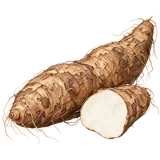
Dioscorea alata and other identified cultivated edible Dioscorea species
cultivated; Pohnpei, Samoa and Guam
Cooked tuber staple.
Different scope from medicinal wild yam doc 91; never generalize edibility to wild Dioscorea.
Library entry 505. Read its cautions.
Plant foods
Reference only
Asplenium bulbiferum and other specifically identified edible fern species
native; New Zealand
Selected fern shoots in Māori cuisine.
Only a small subset of ferns are edible; no identification or wild-harvest instructions.
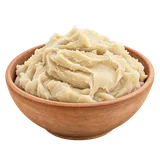
Artocarpus altilis and local breadfruit cultivars
traditional processing; Pacific islands
Preserved fermented breadfruit food.
Regional fermentation traditions vary; no universal pit-processing recipe or probiotic claim.
Library entry 514. Read its cautions.
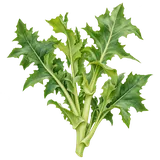
Sonchus species, including Sonchus oleraceus
introduced/native species mix; New Zealand
Cooked greens in Māori food traditions.
Authenticate species; do not collapse all locally named greens into one taxon.
Library entry 502. Read its cautions.
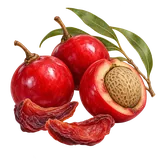
Santalum acuminatum
native; Australia, arid and semi-arid regions
Fruit flesh for culinary products.
No equivalent material found in the 291-entry inventory.
Library entry 484. Read its cautions.
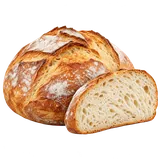
Triticum aestivum flour with Solanum tuberosum-derived starter
traditional processing; Māori communities, New Zealand
Leavened bread with potato-derived starter.
Distinct prepared food from wheat doc 157 and potato doc 244; baking means no assumed live-probiotic benefit.
Library entry 516. Read its cautions.
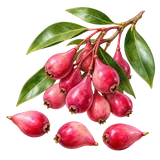
Syzygium luehmannii
native; Australia, Queensland and New South Wales
Aromatic fruit ingredient.
No equivalent material found in the 291-entry inventory.
Library entry 479. Read its cautions.
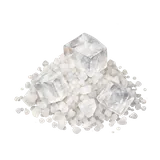
Sodium chloride (halite)
geological/processed; New Zealand, Lake Grassmere
Food-grade salt for seasoning and preservation.
No match to iodine or other mineral supplements; natural salt is not automatically iodized.
Library entry 311. Read its cautions.
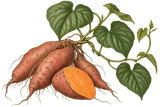
Plant foods
Ipomoea batatas
cultivated; New Zealand, Hawaiʻi and Papua New Guinea
Cooked storage roots.
Exact species/food match; regional names and cultivars expand existing doc 163, not new card.
Library entry 163. Read its cautions.
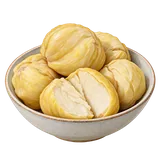
Inocarpus fagifer
cultivated; Polynesia and Micronesia, including Guam
Cooked starchy seed.
Also published as Inocarpus edulis; distinct from temperate chestnut.
Library entry 511. Read its cautions.
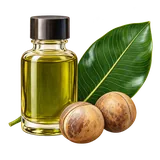
Calophyllum inophyllum
native/cultivated; Fiji, Samoa, French Polynesia and Micronesia
Traditional topical oil and cosmetic ingredient.
Fixed seed oil; not an edible oil or essential oil; traditional use is not proof of efficacy.
Library entry 495. Read its cautions.
Plant foods
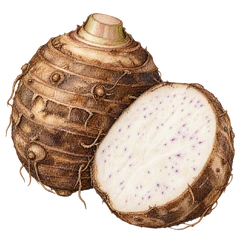
Colocasia esculenta
cultivated; Samoa, Hawaiʻi, Palau and Fiji
Cooked corm staple.
Exact species match to dasheen/taro doc 265; add Pacific names without duplicating.
Library entry 265. Read its cautions.
Essential oils
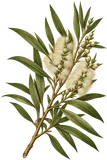
Melaleuca alternifolia
native and cultivated; Australia, New South Wales and Queensland
Distilled ingredient in formulated skin and household products.
Already in the library; this note supplies its documented regional connection.
Library entry 33. Read its cautions.
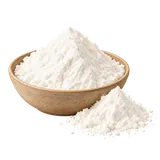
Metroxylon sagu
native/cultivated; Papua New Guinea
Processed palm starch staple.
True palm sago is distinct from cycad products and tapioca pearls; no DIY processing.
Library entry 508. Read its cautions.
Spices · Plant foods
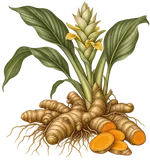
Curcuma longa
introduced/traded and cultivated; Fiji
Rhizome spice and food colour.
Already in the library; this note supplies its documented regional connection.
Library entry 17. Read its cautions.
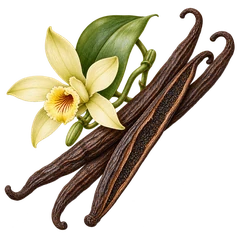
Spices · Plant foods
Vanilla planifolia and separately identified Vanilla × tahitensis
introduced/traded and cultivated; Tonga, Papua New Guinea and French Polynesia
Cured pod flavouring.
Expand Pacific cultivation; taxonomically distinguish Tahitian vanilla and avoid treating curing as a second fermented-food card.
Library entry 275. Read its cautions.
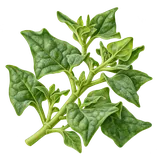
Tetragonia tetragonioides
native; Australia and New Zealand
Prepared leafy vegetable.
Not spinach (Spinacia); preparation and oxalate cautions need full-card treatment.
Library entry 488. Read its cautions.
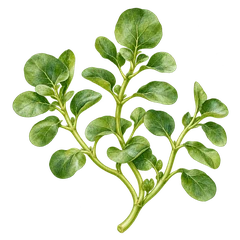
Plant foods
Nasturtium officinale
introduced/traded; New Zealand
Greens in modern Māori boil-up.
Already in the library; this note supplies its documented regional connection.
Library entry 291. Read its cautions.
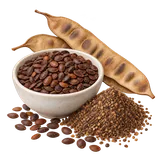
Acacia victoriae and other authenticated edible Acacia species
native; Australia, including central regions
Roasted culinary seed and flour.
Not all Acacia species are food plants; preserve species-specific identification.
Library entry 476. Read its cautions.
8 more choices with sources that link them to this region.
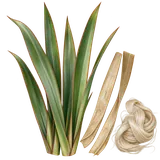
Phormium tenax J.R.Forst. & G.Forst.
Native New Zealand plant cultivated in pā harakeke and central to specifically attributed Māori weaving traditions.
Leaves and prepared muka fibre supply cloak, basket, mat, net and cordage materials; craft and cultural reference only.
Fills a genuine fibre-and-weaving gap. Botanically distinct from Linum flaxseed and oil; a new card is warranted rather than relabelling an existing food card. New source-linked craft reference added with these regional extras.
Library entry 519. Read its cautions.
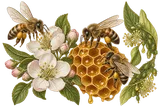
Other foods
Bee-produced nectar or honeydew food; mānuka nectar source: Leptospermum scoparium J.R.Forst. & G.Forst.
New Zealand mānuka honey is produced by bees visiting mānuka flowers and has a documented national production and authentication system.
Culinary sweetener; ordinary honey is not medical-grade wound honey. Do not give honey to infants under 12 months.
Adds an existing unindexed food and a distinctive regional botanical-source story without creating a redundant mānuka-honey card. Already present in the library before this supplemental selection.
Library entry 147. Read its cautions.
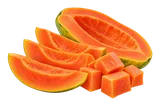
Plant foods
Carica papaya L.
Introduced American tropical fruit cultivated in Hawaiʻi, with locally developed and commercially grown Solo-type cultivars.
Ripe flesh is eaten fresh or used in fruit preparations; seeds, latex and leaf extracts are separate materials.
Adds a well-documented Hawaiian horticultural crop and practical fruit-use link, using the existing flesh card. Already present in the library before this supplemental selection.
Library entry 417. Read its cautions.
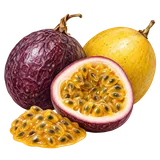
Plant foods
Passiflora edulis Sims
Introduced crop from South America, cultivated in Hawaiʻi and Australia; lilikoʻi is a documented Hawaiian food name.
Ripe aromatic pulp and edible seeds flavor juices and desserts.
Adds a recognizable Hawaiian food crop with a clear introduction story; keep it distinct from medicinal Passiflora incarnata. Already present in the library before this supplemental selection.
Library entry 468. Read its cautions.
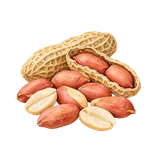
Seeds · Plant foods
Arachis hypogaea L.
Introduced agricultural crop with a well-documented Queensland cultivation and processing history, particularly around Kingaroy and the South Burnett.
Food-grade seeds are eaten cooked or roasted and made into peanut butter; retain allergy and food-storage cautions.
Adds a legume crop missing from the existing Oceania list and an Australian agricultural-history connection. Already present in the library before this supplemental selection.
Library entry 418. Read its cautions.
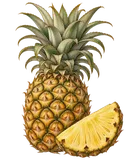
Plant foods
Ananas comosus (L.) Merr.
Introduced into Hawaiʻi; plantation cultivation and processing became an important part of the islands’ agricultural history.
Ripe fruit is eaten fresh or processed as food and juice.
Adds a major introduced Pacific crop and plantation-history connection while retaining South American origin on its existing card. Already present in the library before this supplemental selection.
Library entry 172. Read its cautions.
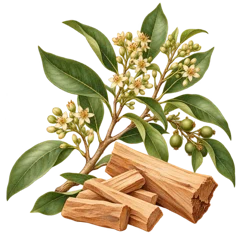
Resins, woods & plant materials
Santalum album L.
Cultivated in northern Australia, including documented Western Australian plantation trials and later commercial production.
Identified fragrant heartwood for scent and craft reference; do not ingest wood or treat incense smoke as medicine.
Adds plantation and aromatic-wood history using an unindexed existing card. Santalum album wood is distinct from the selected S. spicatum essential-oil card. Already present in the library before this supplemental selection.
Library entry 236. Read its cautions.
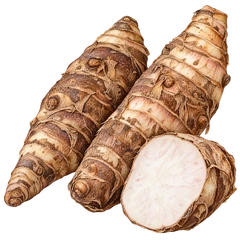
Plant foods
Cultivated Xanthosoma spp.; Xanthosoma sagittifolium (L.) Schott is a principal named crop
Introduced tropical American aroids grown in the South Pacific; FAO’s Pacific food guide distinguishes Xanthosoma from Colocasia, Alocasia and Cyrtosperma.
Identified food-grade cormels are thoroughly cooked; raw aroids and unidentified ornamental plants are unsafe.
Adds a later-introduced Pacific root crop and clarifies a frequently conflated group; no new card or one-species claim is needed. Already present in the library before this supplemental selection.
Library entry 266. Read its cautions.