A curated regional selection based on documented association, historical interest and useful variety. This is not a measured popularity or health ranking. Native origin, introduced cultivation, trade and traditional processing are identified separately.
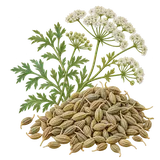
Spices · Plant foods
Added in this update
Pimpinella anisum L.
Traditional processing/use: Spain, including Chinchón aniseed-flavoured drinks, and European herbal-tea traditions.
Dried aromatic fruits used in flavouring and herbal preparations.
Comparison & sources
New species; not star anise #278 and not the biblical dill/anise terminology in #114.
Library entry 370. Read its cautions.
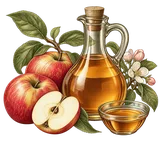
Malus domestica (Suckow) Borkh.
Cultivated: Limousin, France, and wider European orchards; cultivation does not imply European origin.
Fresh and cooked orchard fruit.
Comparison & sources
Exact food material exists in #141; expand the practical apple context while preserving uncertainty over biblical identification.
Library entry 141. Read its cautions.
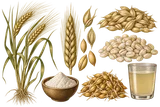
Hordeum vulgare L.
Cultivated and processed: Ireland and other European cereal-growing regions.
Pearled or whole grain for cooked foods and malting; contains gluten.
Comparison & sources
Same material as inventory #142 (Barley); the existing entry is retained with a linked regional note.
Library entry 142. Read its cautions.
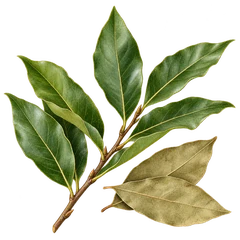
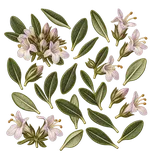
Laurus nobilis L.
Cultivated and traditional processing: Mediterranean herb also grown in UK gardens.
Leaves flavour stocks and stews; remove whole leaves before serving.
Comparison & sources
Exact material already represented by inventory #273 (Bay leaf); retain existing card and expose the European association without inventing a new entry.
Library entry 273. Read its cautions.
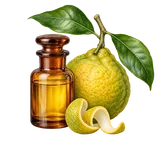
Essential oils
Added in this update
Citrus × bergamia Risso & Poit.
Cultivated and traditional processing: Reggio Calabria, Italy.
Citrus peel oil important in perfumery; expressed grades can be phototoxic, so use professionally formulated products.
Comparison & sources
No bergamot oil card; lemon oil #37 is botanically and chemically distinct.
Library entry 373. Read its cautions.
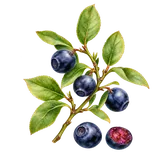
Plant foods
Added in this update
Vaccinium myrtillus L.
Native/wild-collected: Finnish forests and northern European traditions.
Berries eaten as food and made into preserves or baked dishes.
Comparison & sources
Botanically distinct from typical cultivated blueberry #167; add a separate bilberry card.
Library entry 380. Read its cautions.
Plant foods
Added in this update
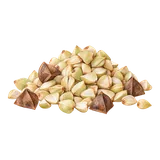
Fagopyrum esculentum Moench
Introduced/cultivated and traditional processing: Brittany, France, including blé noir flour.
Pseudocereal groats and flour used in galettes and other foods; not a wheat species.
Comparison & sources
No exact material/form match in the 291-entry inventory.
Library entry 353. Read its cautions.
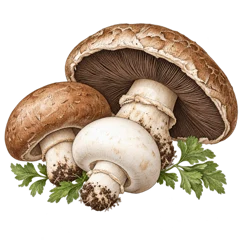
Agaricus bisporus (J.E.Lange) Imbach
Cultivated: Ireland, UK and continental European mushroom industries.
Different maturity/colour forms of one cultivated food species.
Comparison & sources
Exact match #222; do not create separate button, cremini and portobello cards.
Library entry 222. Read its cautions.
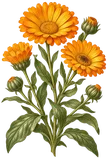
Calendula officinalis L.
Cultivated and traditional processing/use: European calendula flower preparations assessed by EMA.
Identified flowers in labelled topical preparations; culinary petals require food-grade supply.
Comparison & sources
Exact material already represented by inventory #21 (Calendula); retain existing card and expose the European association without inventing a new entry.
Library entry 21. Read its cautions.
Spices · Plant foods
Added in this update
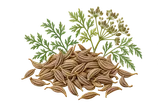
Carum carvi L.
Cultivated and traditional processing/use: Finland is a documented caraway producer supplying European food markets; European herbal use is assessed by EMA.
Aromatic dried fruit used in regional food and regulated herbal preparations.
Comparison & sources
No exact material/form match in the 291-entry inventory.
Library entry 368. Read its cautions.
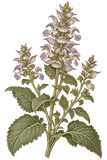
Salvia sclarea L.
Cultivated/distilled: southeastern France, especially Alpes-de-Haute-Provence.
Aromatic ingredient for fragrance formulations; not common-sage leaf or oil.
Comparison & sources
Same material as inventory #77 (Clary sage essential oil); the existing entry is retained with a linked regional note.
Library entry 77. Read its cautions.
Plant foods
Added in this update
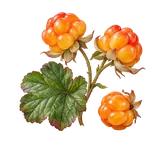
Rubus chamaemorus L.
Native/wild-collected: Finland, especially northern wetland landscapes.
Amber berries eaten fresh and in preserves or desserts.
Comparison & sources
No exact material/form match in the 291-entry inventory.
Library entry 382. Read its cautions.
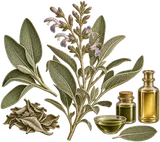
Salvia officinalis L.
Cultivated and traditional processing: Mediterranean herb grown in UK gardens.
Culinary leaves and labelled herbal preparations; avoid treating essential oil as a food substitute.
Comparison & sources
Exact material already represented by inventory #15 (Common sage); retain existing card and expose the European association without inventing a new entry.
Library entry 15. Read its cautions.
Seeds · Plant foods
Added in this update
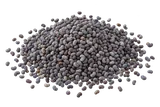
Papaver somniferum L.
Cultivated and traditional processing: Czechia; Český modrý mák and Czech baked foods.
Cleaned food-grade seeds used in fillings and bakery toppings; not poppy latex, pods or tea.
Comparison & sources
No exact material/form match in the 291-entry inventory.
Library entry 374. Read its cautions.
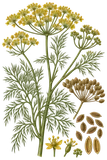
Anethum graveolens L.
Cultivated and traditional processing: Poland, including Rogowo cucumber ferment traditions.
Aromatic foliage and flowering heads season pickles; seed is a separate harvest stage.
Comparison & sources
Exact botanical match #114; expand beyond the biblical KJV anise naming context.
Library entry 114. Read its cautions.
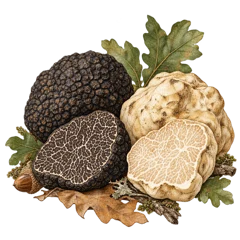
Tuber melanosporum Vittad.; Tuber magnatum Picco; other culinary Tuber spp.
Native/wild-collected and cultivated: Italy and France.
Identified culinary truffles provide aroma; species and origin matter.
Comparison & sources
Exact material already represented by inventory #223 (European culinary truffles); retain existing card and expose the European association without inventing a new entry.
Library entry 223. Read its cautions.
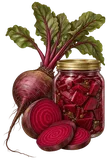
Fermented plant foods · Plant foods
Beta vulgaris L. + lactic-acid fermentation
Traditional processing: Poland, including zakwas z kiszonych buraków.
Fermented beet liquid/vegetable used as a sour food ingredient and beverage; not a proven probiotic treatment.
Comparison & sources
Same material as inventory #92 (Fermented beets); the existing entry is retained with a linked regional note.
Library entry 92. Read its cautions.
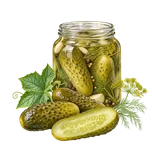
Fermented plant foods · Plant foods
Added in this update
Cucumis sativus L. + lactic-acid fermentation
Traditional processing: Rogowo and other Polish regions.
Brined fermented cucumber condiment; distinct from vinegar-only pickles.
Comparison & sources
No exact fermented cucumber entry. Biblical cucumber/snake-melon #144 is not this material.
Library entry 386. Read its cautions.
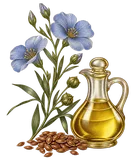
Linum usitatissimum L.
Cultivated and traditional processing/use: European flaxseed preparations assessed by EMA.
Food-grade seeds used in foods; industrial boiled linseed oil is not edible.
Comparison & sources
Exact material already represented by inventory #160 (Flax / linseed); retain existing card and expose the European association without inventing a new entry.
Library entry 160. Read its cautions.
Beta vulgaris L. (beetroot cultivars)
Cultivated and traditional processing: Poland, where beetroot also supplies distinct fermented foods.
Root used cooked or in food preparations; fresh root is distinct from fermented beet products.
Comparison & sources
Same material as inventory #171 (Fresh beets); the existing entry is retained with a linked regional note.
Library entry 171. Read its cautions.
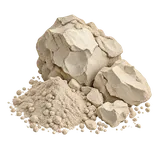
Clays
Added in this update
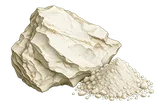
Smectite-rich clay, commonly calcium montmorillonite
Geological and traditional processing: southern England, including Surrey and the Bath region.
Historical wool degreasing and industrial absorbent uses; not an oral remedy.
Comparison & sources
No exact material/form match in the 291-entry inventory.
Library entry 376. Read its cautions.
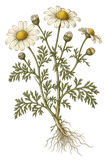
Matricaria chamomilla L. (syn. M. recutita L.)
Traditional processing/use: European dried-flower preparations assessed by EMA.
Dried flower infusions and labelled preparations; allergy precautions remain relevant.
Comparison & sources
Exact material already represented by inventory #2 (German chamomile); retain existing card and expose the European association without inventing a new entry.
Library entry 2. Read its cautions.
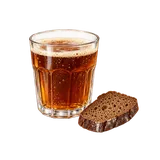
Fermented plant foods · Plant foods
Added in this update
Rye-bread substrate, water and fermenting microorganisms
Traditional processing: Lithuania and neighbouring eastern-European food traditions.
Fermented bread beverage; alcohol and sugar content vary, so check product labelling.
Comparison & sources
Bread fermentation is distinct from beet kvass #92; do not merge by the word kvass.
Library entry 388. Read its cautions.
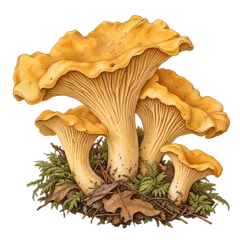
Cantharellus cibarius Fr. and related European taxa
Native/wild-collected: Finnish forests and wider northern Europe.
Identified edible chanterelles cooked as a seasonal food.
Comparison & sources
Same material as inventory #219 (Golden chanterelles); the existing entry is retained with a linked regional note.
Library entry 219. Read its cautions.
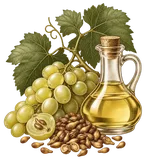
Vitis vinifera L.
Cultivated and processed: European wine-growing regions; Croatian primary study examines pressed grape-seed oil.
Fixed seed oil used in cooking and cosmetic formulations; not grape-seed extract.
Comparison & sources
Same material as inventory #69 (Grapeseed oil); the existing entry is retained with a linked regional note.
Library entry 69. Read its cautions.
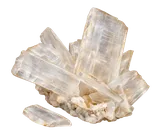
Minerals
Added in this update
CaSO4·2H2O
Geological and processed: English Pennines and adjacent basins.
Plaster and building-material history; not a dietary calcium recommendation.
Comparison & sources
Not equivalent to calcium supplement #56; retain a geological-material scope.
Library entry 377. Read its cautions.
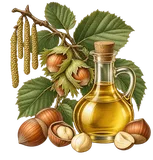
Corylus avellana L.
Traditional processing: artisanal oil-milling in Alsace, France.
Aromatic culinary oil, distinct from whole hazelnuts; tree-nut allergy matters.
Comparison & sources
Same material as inventory #72 (Hazelnut oil); the existing entry is retained with a linked regional note.
Library entry 72. Read its cautions.
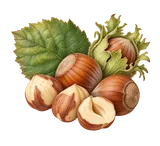
Plant foods
Added in this update
Corylus avellana L.
Cultivated and traditional processing: Piedmont, Italy, especially Langhe, Roero and Monferrato.
Kernels in confectionery and savoury foods; distinct from hazelnut oil.
Comparison & sources
Hazelnut oil #72 exists, but no exact whole-hazelnut food card.
Library entry 383. Read its cautions.
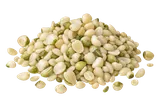
Seeds · Plant foods
Added in this update
Cannabis sativa L.
Cultivated: EU hemp agriculture, particularly France and other European producers.
Food-grade dehulled seeds as a food ingredient; not CBD extract or intoxicating cannabis.
Comparison & sources
No exact material/form match in the 291-entry inventory.
Library entry 375. Read its cautions.
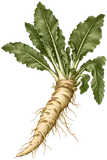
Armoracia rusticana P.Gaertn., B.Mey. & Scherb.
Cultivated and traditional processing: Polish cucumber ferments and central-European condiments.
Grated root supplies pungency; root also seasons traditional cucumber brines.
Comparison & sources
Same material as inventory #164 (Horseradish); the existing entry is retained with a linked regional note.
Library entry 164. Read its cautions.
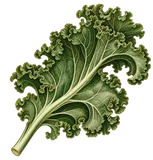
Brassica oleracea L. (kale cultivar groups)
Cultivated: UK garden and winter vegetable crop.
Edible leaves cooked or prepared as a vegetable.
Comparison & sources
Same material as inventory #175 (Kale); the existing entry is retained with a linked regional note.
Library entry 175. Read its cautions.
Kaolinite-rich clay; Al2Si2O5(OH)4
Geological and traditional processing: Cornwall and Devon, UK.
Ceramic and other material uses; this regional listing does not recommend eating clay or using raw deposits on skin.
Comparison & sources
Same material as inventory #99 (Kaolin clay); the existing entry is retained with a linked regional note.
Library entry 99. Read its cautions.
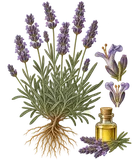
Lavandula angustifolia Mill.
Cultivated/distilled: Haute-Provence, France, with a protected regional oil tradition.
Concentrated aromatic ingredient in formulated products; not interchangeable with flowers.
Comparison & sources
Same material as inventory #32 (Lavender essential oil); the existing entry is retained with a linked regional note.
Library entry 32. Read its cautions.
Lavandula angustifolia Mill.
Cultivated and traditional processing: southern France and European dried-flower preparations.
Dried aromatic flowers for sachets and labelled products; not equivalent to essential oil.
Comparison & sources
Exact material already represented by inventory #93 (Lavender flowers); retain existing card and expose the European association without inventing a new entry.
Library entry 93. Read its cautions.
Melissa officinalis L.
Traditional processing/use: European herbal preparations; Italian field research documents regional household use.
Aromatic leaf infusions and extracts; leaf and essential oil are distinct.
Comparison & sources
Exact material already represented by inventory #8 (Lemon balm); retain existing card and expose the European association without inventing a new entry.
Library entry 8. Read its cautions.
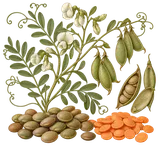
Lens culinaris Medik.
Cultivated and traditional processing: Le Puy, France, and Italian food traditions.
Cooked pulses used in soups, salads and regional dishes.
Comparison & sources
Same material as inventory #149 (Lentils (KJV lentiles)); the existing entry is retained with a linked regional note.
Library entry 149. Read its cautions.
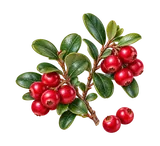
Plant foods
Added in this update
Vaccinium vitis-idaea L.
Native/wild-collected: Finland and Nordic forests.
Tart berries used in preserves, sauces and other foods.
Comparison & sources
No exact match; not cranberry #169 or blueberry #167.
Library entry 381. Read its cautions.
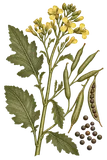
Sinapis alba L.; Brassica juncea (L.) Czern.
Cultivated and traditional processing: Burgundy, France; local seed-growing and mustard-making.
Ground seeds form pungent prepared mustard; mustard is a food allergen.
Comparison & sources
Same material as inventory #129 (Mustard (seed and plant)); the existing entry is retained with a linked regional note.
Library entry 129. Read its cautions.
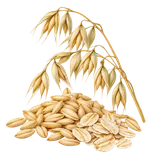
Plant foods
Added in this update
Avena sativa L.
Cultivated and processed: Ireland, documented by Teagasc.
Grain for porridge, oat flakes and flour; gluten-free needs certified uncontaminated supply.
Comparison & sources
No exact material/form match in the 291-entry inventory.
Library entry 379. Read its cautions.
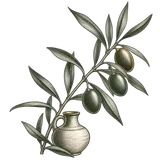
Olea europaea L.
Cultivated and traditional processing: Mediterranean Europe, including Spain, Italy and Greece.
Edible oil for dressings and cooking; grades and processing differ.
Comparison & sources
Exact material already represented by inventory #26 (Olive oil); retain existing card and expose the European association without inventing a new entry.
Library entry 26. Read its cautions.
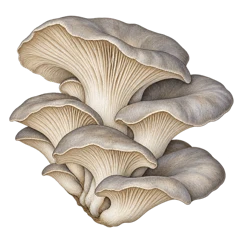
Pleurotus ostreatus (Jacq.) P.Kumm.
Native and cultivated: European woodlands, including the UK.
Cultivated or expertly identified fruiting bodies are cooked as food.
Comparison & sources
Exact material already represented by inventory #221 (Oyster mushroom); retain existing card and expose the European association without inventing a new entry.
Library entry 221. Read its cautions.
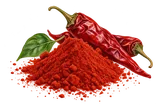
Spices · Plant foods
Added in this update
Capsicum annuum L.
Introduced/cultivated and traditional processing: Spain, especially La Vera; American-origin crop with European drying and smoking traditions.
Dried ground pepper for seasoning and colour; smoked and unsmoked forms differ.
Comparison & sources
Not an exact match to fresh bell peppers #287 or cayenne #270; paprika is a distinct processed spice.
Library entry 369. Read its cautions.
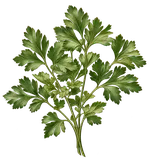
Petroselinum crispum (Mill.) Fuss
Cultivated: UK and wider European herb gardens.
Fresh leaves and stems used as culinary herbs; concentrated extracts are different.
Comparison & sources
Same material as inventory #200 (Parsley); the existing entry is retained with a linked regional note.
Library entry 200. Read its cautions.
Mentha × piperita L.
Cultivated/distilled and traditional processing: European peppermint-oil preparations assessed by EMA.
Concentrated distillate used in specific labelled products; not a DIY oral dose.
Comparison & sources
Exact material already represented by inventory #35 (Peppermint essential oil); retain existing card and expose the European association without inventing a new entry.
Library entry 35. Read its cautions.
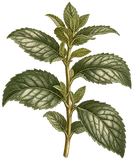
Mentha × piperita L.
Cultivated and traditional processing/use: European mint-growing and leaf-tea traditions.
Dried leaf infusion and food flavouring; do not replace leaf with essential oil.
Comparison & sources
Exact material already represented by inventory #13 (Peppermint leaf); retain existing card and expose the European association without inventing a new entry.
Library entry 13. Read its cautions.
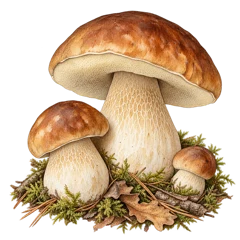
Boletus edulis Bull. and related edible porcini
Native/wild-collected: Finland and continental European forests; Romanian research examines culinary mushrooms.
Identified edible porcini cooked fresh or dried for soups and sauces.
Comparison & sources
Same material as inventory #218 (Porcini / cep / penny bun); the existing entry is retained with a linked regional note.
Library entry 218. Read its cautions.
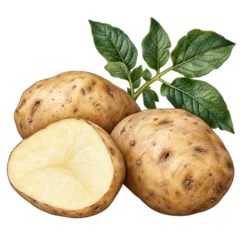
Solanum tuberosum L.
Introduced/cultivated: European food crop, including UK and Germany; originally American.
Cooked tuber staple; discard strongly green or sprouting tubers rather than treating them as ordinary food.
Comparison & sources
Same material as inventory #244 (Potato); the existing entry is retained with a linked regional note.
Library entry 244. Read its cautions.
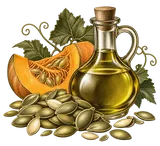
Cucurbita pepo L.
Introduced/cultivated and traditional processing: Goričko and Štajerska, Slovenia, and neighbouring Styria, Austria.
Distinctive dark culinary oil used in regional dressings and finishing dishes.
Comparison & sources
Same material as inventory #65 (Pumpkin seed oil); the existing entry is retained with a linked regional note.
Library entry 65. Read its cautions.
Cucurbita pepo L.
Introduced/cultivated and traditional processing: Slovenia and Austria, including hull-less oilseed types.
Whole or hulled edible seeds; distinct from pressed pumpkin seed oil.
Comparison & sources
Same material as inventory #162 (Pumpkin seeds (whole and pepitas)); the existing entry is retained with a linked regional note.
Library entry 162. Read its cautions.
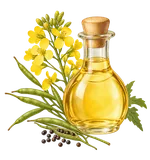
Food & carrier oils
Added in this update
Brassica napus L.
Cultivated and processed: UK, France, Germany and Poland.
Refined or cold-pressed food oil for cooking and dressings; use a culinary-labelled product.
Comparison & sources
No exact material/form match in the 291-entry inventory.
Library entry 371. Read its cautions.
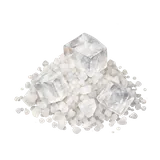
Minerals
Added in this update
NaCl
Geological and traditional processing: Cheshire Basin, England, and Wieliczka/Bochnia, Poland; historic European rock-salt mining.
Food-grade processed salt seasons food; raw geological samples are not food.
Comparison & sources
No exact material/form match in the 291-entry inventory.
Library entry 311. Read its cautions.
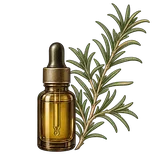
Salvia rosmarinus Spenn. (syn. Rosmarinus officinalis L.)
Traditional processing/use: European distilled rosemary preparations assessed by EMA.
Aromatic concentrate in formulated products; leaf tea or seasoning is a different material.
Comparison & sources
Exact material already represented by inventory #36 (Rosemary essential oil); retain existing card and expose the European association without inventing a new entry.
Library entry 36. Read its cautions.
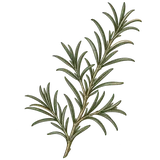
Salvia rosmarinus Spenn. (syn. Rosmarinus officinalis L.)
Cultivated and traditional processing: Mediterranean herb grown also in UK gardens.
Aromatic leaves season cooked foods; separate from concentrated essential oil.
Comparison & sources
Exact material already represented by inventory #14 (Rosemary leaf); retain existing card and expose the European association without inventing a new entry.
Library entry 14. Read its cautions.
Plant foods
Added in this update
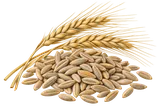
Secale cereale L.
Cultivated and traditional processing: Lithuania and the Baltic rye-bread tradition.
Grain/flour for breads and other cereal foods; contains gluten.
Comparison & sources
No true rye card. Ancient hulled wheat #148 must not be relabelled rye.
Library entry 378. Read its cautions.
Fermented plant foods · Plant foods
Added in this update
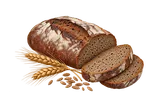
Secale cereale L. flour + sourdough microorganisms
Traditional processing: Daujėnai, Lithuania, with inherited dough-fermentation practices.
Fermented and then baked cereal food; baking means it is not automatically a live-culture food.
Comparison & sources
No exact material/form match in the 291-entry inventory.
Library entry 387. Read its cautions.
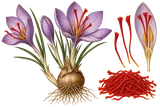
Crocus sativus L.
Cultivated and traditional processing: Kozani, Greece; harvesting and drying of stigmas.
Small culinary quantities flavour and colour rice and other dishes.
Comparison & sources
Same material as inventory #134 (Saffron); the existing entry is retained with a linked regional note.
Library entry 134. Read its cautions.
Fermented plant foods · Plant foods
Added in this update
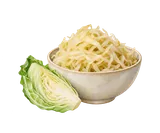
Brassica oleracea L. (cabbage) + lactic-acid fermentation
Traditional processing: Alsace, France, and central-European cabbage fermentation.
Soured cabbage eaten as a vegetable; use tested food-safety methods rather than improvising preservation.
Comparison & sources
No exact material/form match in the 291-entry inventory.
Library entry 385. Read its cautions.
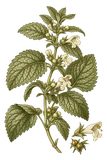
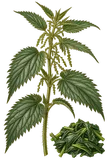
Urtica dioica L.
Native/wild-collected and traditional processing: Finland and other European countries.
Young leaves are cooked into soups and breads; handling raw plants can sting.
Comparison & sources
Same material as inventory #24 (Stinging nettle leaf); the existing entry is retained with a linked regional note.
Library entry 24. Read its cautions.
Food & carrier oils
Added in this update
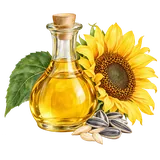
Helianthus annuus L.
Introduced/cultivated and processed: Ukraine, Romania, Bulgaria and Hungary.
Edible seed oil for cooking; ordinary and high-oleic grades differ.
Comparison & sources
Whole sunflower seeds #241 are not an exact oil match; add a distinct fixed-oil card.
Library entry 372. Read its cautions.
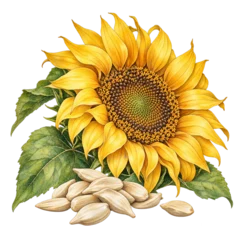
Helianthus annuus L.
Introduced/cultivated: major eastern and southeastern European oilseed crop, including Ukraine, Romania and Bulgaria.
Food-grade kernels used as snacks and in baking; distinct from the extracted oil.
Comparison & sources
Same material as inventory #241 (Sunflower seed); the existing entry is retained with a linked regional note.
Library entry 241. Read its cautions.
Plant foods
Added in this update
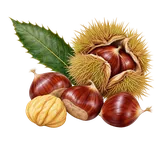
Castanea sativa Mill.
Cultivated and traditional processing: Cuneo and Piedmont, Italy.
Edible sweet chestnuts roasted, cooked or made into flour and confections; not horse chestnuts.
Comparison & sources
No exact material/form match in the 291-entry inventory.
Library entry 384. Read its cautions.
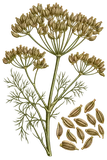
Foeniculum vulgare Mill. subsp. vulgare var. dulce
Traditional processing/use: European fennel-fruit preparations assessed by EMA; Mediterranean cultivation.
Dried aromatic fruits for food flavouring; essential oil is a different preparation.
Comparison & sources
Same material as inventory #22 (Sweet fennel); the existing entry is retained with a linked regional note.
Library entry 22. Read its cautions.
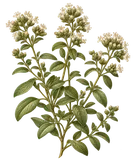
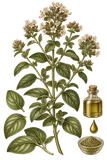
Origanum majorana L.
Cultivated and traditional processing: European cookery and UK seasonal herb cultivation.
Fresh or dried leaves season vegetables, soups and sauces.
Comparison & sources
Exact material already represented by inventory #98 (Sweet marjoram); retain existing card and expose the European association without inventing a new entry.
Library entry 98. Read its cautions.
Thymus vulgaris L.; Thymus zygis L.
Cultivated and traditional processing: Mediterranean thyme and UK herb gardens; European medicinal assessment.
Leaves and flowering herb provide culinary aroma.
Comparison & sources
Exact material already represented by inventory #97 (Thyme); retain existing card and expose the European association without inventing a new entry.
Library entry 97. Read its cautions.
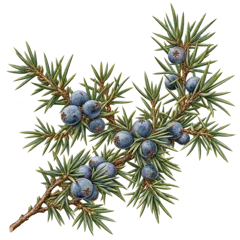
Juniperus communis L.
Native and traditional processing: European juniper; documented European flavouring and herbal traditions.
Identified ripe cone-berries flavour foods and beverages. Do not substitute ornamental junipers.
Comparison & sources
Exact material already represented by inventory #234 (True juniper); retain existing card and expose the European association without inventing a new entry.
Library entry 234. Read its cautions.
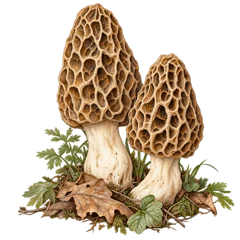
Morchella spp.
Traditional processing: documented in French cookery, including Escoffier.
Edible true morels require expert identification and thorough cooking; never substitute false morels.
Comparison & sources
Same material as inventory #220 (True morels); the existing entry is retained with a linked regional note.
Library entry 220. Read its cautions.
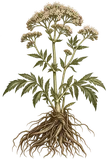
Valeriana officinalis L.
Traditional processing/use: European root preparations assessed by EMA.
Root is used in regulated herbal products; evidence and cautions depend on preparation.
Comparison & sources
Exact material already represented by inventory #18 (Valerian); retain existing card and expose the European association without inventing a new entry.
Library entry 18. Read its cautions.
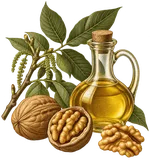
Juglans regia L.
Cultivated and traditional processing: Périgord, France.
Pressed walnut oil for food flavouring and dressings; tree-nut allergy matters.
Comparison & sources
Same material as inventory #73 (Walnut oil); the existing entry is retained with a linked regional note.
Library entry 73. Read its cautions.
Juglans regia L.
Cultivated and traditional processing: Périgord, France.
Edible kernels used in baking and other foods; distinct from walnut oil.
Comparison & sources
Same material as inventory #156 (Walnuts (Persian / English)); the existing entry is retained with a linked regional note.
Library entry 156. Read its cautions.
Fermented plant foods · Plant foods
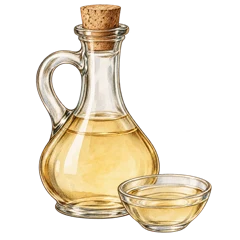
Vitis vinifera L. wine + acetic-acid bacteria
Traditional processing: Orléans, France, including barrel vinegar-making.
Acidic culinary seasoning; labelled acidity matters for preservation.
Comparison & sources
Covered by vinegar #235; expand with Orléans wine-vinegar context rather than creating a duplicate.
Library entry 235. Read its cautions.