Foods
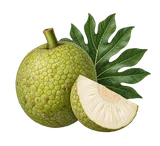
Breadfruit
Traditional use Hawaiʻi · United States, Samoa
The Pacific Food Guide identifies breadfruit among traditional starch staples in Hawaiʻi and Samoa. NTBG links their ʻulu name to Artocarpus altilis, the species covered by this card.
AN ISLAND COLLECTION
A curated, non-exhaustive selection. Documented island connections across Polynesia, Micronesia and the South Pacific, including New Zealand / Aotearoa.
Browse places and the sources that link plants to them. Some plants and places appear in more than one collection. These lists do not assign each island to one continent or set political borders.
12 ingredients in this collection.
No ingredients match these filters. Try another place or .
Foods
Traditional use Hawaiʻi · United States, Samoa
The Pacific Food Guide identifies breadfruit among traditional starch staples in Hawaiʻi and Samoa. NTBG links their ʻulu name to Artocarpus altilis, the species covered by this card.
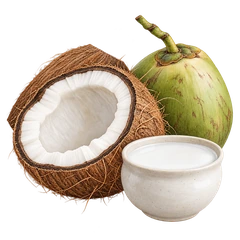
Cultivated Fiji
ACIAR documents cultivated coconut varieties collected in Fiji for crop-conservation research. This connects the coconut food card to the crop, without assuming a particular preparation tradition.
Foods
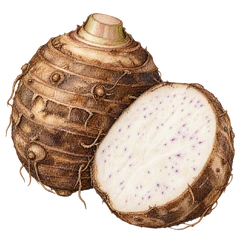
Traditional use Samoa, Palau, Chuuk · Federated States of Micronesia
The guide specifically identifies Colocasia taro among traditional staple foods in Samoa, Palau and Chuuk, distinct from other taro genera.
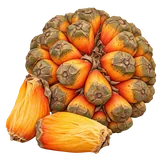
Traditional use Marshall Islands
Pandanus is listed alongside breadfruit as a leading traditional starch food in the Marshall Islands.
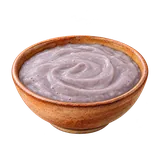
Foods
Traditional use Hawaiʻi · United States
The guide identifies fermented-taro poi as a traditional Hawaiian staple.
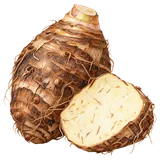
Foods
Traditional use Yap · Federated States of Micronesia
The food guide identifies Cyrtosperma as a traditional Yapese staple, while CTAHR documents cultivated Cyrtosperma merkusii in Yap. This giant swamp taro is distinct from Colocasia taro.
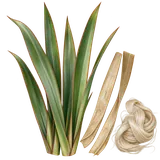
Reference materials
Traditional use New Zealand / Aotearoa
Te Papa identifies Phormium tenax as harakeke and documents Māori cultivation and fibre weaving for cloaks, baskets, nets and mats.
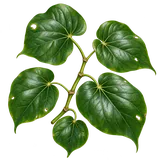
Herbs
Native origin New Zealand / Aotearoa
Te Ara identifies kawakawa as a native tree occurring in North Island and the northern half of South Island forests.
Foods
Cultivated Hawaiʻi · United States
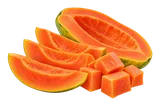
University of Hawaiʻi documents commercial Solo-type papayas grown in Hawaiʻi. This maps the fruit-flesh card, not seed or latex preparations.
Foods
Cultivated Hawaiʻi · United States
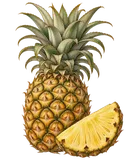
University of Hawaiʻi documents commercial pineapple cultivation in Hawaiʻi. Cultivation here does not establish Hawaiian native origin.
Foods
Traditional use New Zealand / Aotearoa
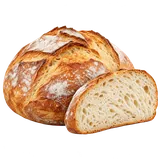
Te Ara documents Māori rēwena bread, a post-contact bread tradition using a potato-based leaven.
Foods
Traditional use Hawaiʻi · United States
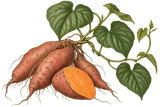
Sweet potato is named among traditional Hawaiian starch foods in the guide.
Introduced New Zealand / Aotearoa
Te Ara records kūmara among edible plants brought by Māori ancestors and cultivated in Aotearoa; this is a human introduction, not a native-range claim.