

Ecology references
Antarctic hair grass
Reference only
Deschampsia antarctica
Native Antarctic flowering plant.
Ecological study; not an edible herb recommendation.
Comparison & sources
Reference only; no food or remedy use established here.
THE WORLD REFERENCE SHELF
Familiar ingredients, regional traditions and discoveries worth a closer look.
Six curated lists contain 70 selections each. Antarctica has a shorter, clearly separated research reference. A selection can belong to several regional traditions, so row totals are not unique ingredient totals. Entries receive full journal pages after identity, source and safety review.
Read the cautions firstISLANDS & REGIONAL TRADITIONS
Explore plants linked by sources to the Caribbean, Pacific and Atlantic. A plant may appear in more than one collection. Each plant has one ingredient journal.
611 of 615 ingredient entries have decorative illustrations. Artwork for the remaining 4 entries is being added in stages. Illustrations are not identification references.
Under each region, Explore more offers a few extra choices. We look for clear sources that link each choice to the region, along with useful history, uses and variety. A list may have fewer than ten items. These lists do not rank items by popularity or health benefits.
Some ingredients fit more than one group. A food may also appear under spices, seeds, fermented foods or cooking herbs. Entries kept only for research do not get extra food labels. Different types of oil stay separate. Sorting changes the order, not the number of choices.
23 regional selections in this complete continental list.
No selections match. Try fewer filters.
A bounded 23-item reference, not a top-70 ingredient ranking. Native organisms and geological samples stay research-only. Crops belong to controlled research-station cultivation, not Antarctic food traditions or native flora. No material is listed as suitable for collection, ingestion or self-treatment merely because it occurs here.
Ecology references
Reference only
Deschampsia antarctica
Native Antarctic flowering plant.
Ecological study; not an edible herb recommendation.
Reference only; no food or remedy use established here.
Ecology references
Reference only
Cephaloziella varians
Studied at Rothera Point on the Antarctic Peninsula.
Cold-environment ecology; no household use assigned.
Research-only. Older sources use C. exiliflora inconsistently; this record follows the named C. varians field study.
Ecology references
Reference only
Schistidium antarctici
Recorded around Casey station.
Cold-environment ecology; no household use assigned.
Reference only; no food or remedy use established here.
Ecology references
Reference only
Colobanthus quitensis
Native Antarctic flowering plant.
Ecological study; not an edible herb recommendation.
Reference only; no food or remedy use established here.
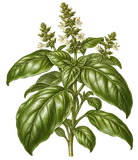
Herbs
Ocimum basilicum
Controlled Antarctic greenhouse research.
Cultivated food crop; not native Antarctic flora.
Match through ordinary food identity, not Antarctic origin.
Library entry 96. Read its cautions.
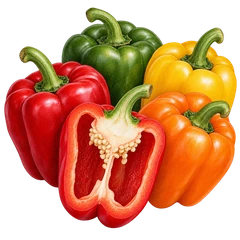
Plant foods
Capsicum annuum
Controlled Antarctic greenhouse research.
Cultivated food crop; not native Antarctic flora.
Match through ordinary food identity, not Antarctic origin.
Library entry 287. Read its cautions.
Ecology references
Reference only
Bryum pseudotriquetrum
Recorded around Casey station.
Cold-environment ecology; no household use assigned.
Reference only; no food or remedy use established here.
Ecology references
Reference only
Buellia frigida
Recorded in the McMurdo Dry Valleys.
Slow-growing lichen studied for environmental adaptation.
Reference only; no food or remedy use established here.
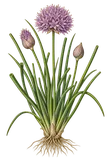
Herbs
Allium schoenoprasum
Controlled Antarctic greenhouse research.
Cultivated food crop; not native Antarctic flora.
Match through ordinary food identity, not Antarctic origin.
Library entry 186. Read its cautions.
Clays
Reference only
Chlorite
Identified in studied Antarctic soils.
Mineralogy research; not a source of edible clay.
Geological observation only; no new practical ingredient card warranted.
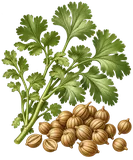
Herbs
Coriandrum sativum
Controlled Antarctic greenhouse research.
Cultivated food crop; not native Antarctic flora.
Match through ordinary food identity, not Antarctic origin.
Library entry 95. Read its cautions.
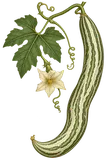
Plant foods
Cucumis sativus
Controlled Antarctic greenhouse research.
Cultivated food crop; not native Antarctic flora.
Match through ordinary food identity, not Antarctic origin.
Library entry 144. Read its cautions.
Ecology references
Reference only
Ceratodon purpureus
Recorded around Casey station.
Cold-environment ecology; no household use assigned.
Reference only; no food or remedy use established here.
Clays
Reference only
Illite
Identified in studied Antarctic soils.
Mineralogy research; not a source of edible clay.
Geological observation only; no new practical ingredient card warranted.
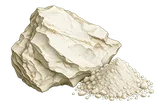
Kaolinite
Identified in studied Antarctic soils.
Mineralogy research; not a source of edible clay.
Kaolin card exists, but Antarctic soil is not a food or cosmetic product.
Library entry 99. Read its cautions.
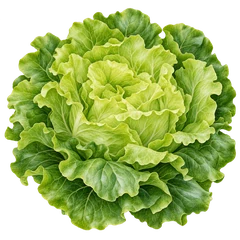
Plant foods
Lactuca sativa
Controlled Antarctic greenhouse research.
Cultivated food crop; not native Antarctic flora.
Match through ordinary food identity, not Antarctic origin.
Library entry 279. Read its cautions.
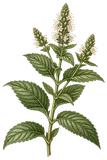
Herbs
Mentha species
Controlled Antarctic greenhouse research.
Cultivated food crop; not native Antarctic flora.
Match through ordinary food identity, not Antarctic origin.
Library entry 128. Read its cautions.
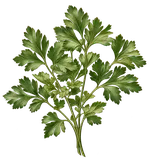
Herbs
Petroselinum crispum
Controlled Antarctic greenhouse research.
Cultivated food crop; not native Antarctic flora.
Match through ordinary food identity, not Antarctic origin.
Library entry 200. Read its cautions.
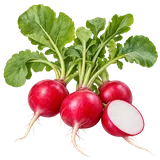
Raphanus sativus
Controlled Antarctic greenhouse research.
Cultivated food crop; not native Antarctic flora.
Match through ordinary food identity, not Antarctic origin.
Library entry 517. Read its cautions.
Clays
Reference only
Smectite / montmorillonite
Identified in studied Antarctic soils.
Mineralogy research; not a source of edible clay.
Geological observation only; no new practical ingredient card warranted.
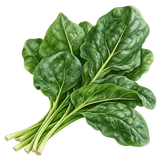
Spinacia oleracea
Controlled Antarctic greenhouse research.
Cultivated food crop; not native Antarctic flora.
Match through ordinary food identity, not Antarctic origin.
Library entry 518. Read its cautions.
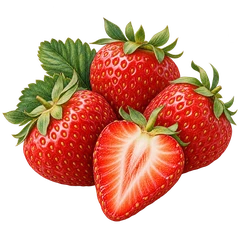
Plant foods
Fragaria × ananassa
Controlled Antarctic greenhouse research.
Cultivated food crop; not native Antarctic flora.
Match through ordinary food identity, not Antarctic origin.
Library entry 282. Read its cautions.
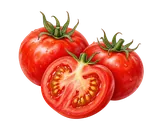
Solanum lycopersicum
Controlled Antarctic greenhouse research.
Cultivated food crop; not native Antarctic flora.
Match through ordinary food identity, not Antarctic origin.
Library entry 411. Read its cautions.