A curated regional selection based on documented association, historical interest and useful variety. This is not a measured popularity or health ranking. Native origin, introduced cultivation, trade and traditional processing are identified separately.
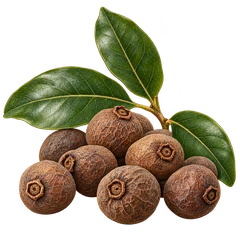
Pimenta dioica
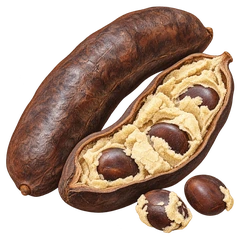
Native/cultivated: Mexico and Central America; traded Caribbean spice.
Dried berries season food.
Comparison & sources
Existing card already covers this identity, use and relevant regional heritage; retain its ID and attach to continental selection without a duplicate.
Library entry 277. Read its cautions.
Seeds · Plant foods
Added in this update
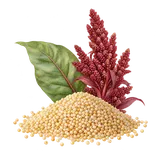
Amaranthus hypochondriacus and A. cruentus
Cultivated/traditional processing: Mexico and Mesoamerica.
Popped grain used in sweets and other foods.
Comparison & sources
No equivalent identity/form in the 291-entry baseline.
Library entry 394. Read its cautions.
Plant foods
Added in this update
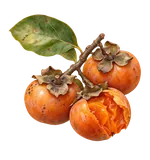
Diospyros virginiana
Native/cultivated: eastern and central United States.
Fully ripe fruit eaten fresh or used in cooked foods.
Comparison & sources
No equivalent identity/form in the 291-entry baseline.
Library entry 409. Read its cautions.
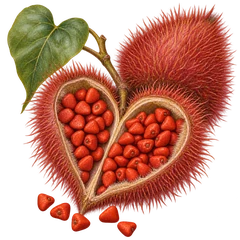
Bixa orellana
Cultivated/traditional processing: Mexico, especially Yucatán.
Seed-coat pigment colors and seasons pibil dishes.
Comparison & sources
Existing card already covers this identity, use and relevant regional heritage; retain its ID and attach to continental selection without a duplicate.
Library entry 281. Read its cautions.
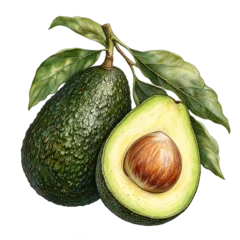
Persea americana
Domesticated/cultivated: Mexico and Central America.
Ripe edible pulp used fresh in foods.
Comparison & sources
Existing card already covers this identity, use and relevant regional heritage; retain its ID and attach to continental selection without a duplicate.
Library entry 245. Read its cautions.
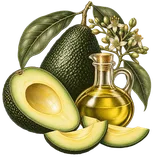
Persea americana; pulp oil
Native crop/cultivated and traded oil: Mexico/Central America and United States.
Food-grade pulp oil for cooking; cosmetic grades are separate.
Comparison & sources
Existing card already covers this identity, use and relevant regional heritage; retain its ID and attach to continental selection without a duplicate.
Library entry 63. Read its cautions.
Clays
Added in this update
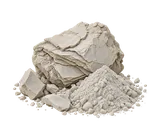
Smectite-rich clay, commonly montmorillonite
Geological/mined: United States.
Absorbent, industrial and drilling uses; geology does not establish ingestion safety.
Comparison & sources
No equivalent identity/form in the 291-entry baseline.
Library entry 396. Read its cautions.
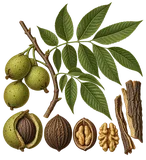
Juglans nigra
Native/cultivated: United States, including eastern and central regions.
Edible kernel; hull tinctures are different materials.
Comparison & sources
Existing card already covers this identity, use and relevant regional heritage; retain its ID and attach to continental selection without a duplicate.
Library entry 87. Read its cautions.
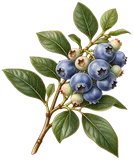
Vaccinium angustifolium, V. corymbosum and regional species
Native/cultivated: United States and Canada; Maine wild-blueberry example.
Fresh, frozen or preserved fruit.
Comparison & sources
Existing card already covers this identity, use and relevant regional heritage; retain its ID and attach to continental selection without a duplicate.
Library entry 167. Read its cautions.
Plant foods
Added in this update
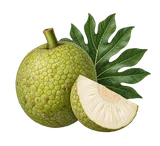
Artocarpus altilis
Introduced/cultivated: Caribbean, including Trinidad and Tobago and Jamaica.
Starchy fruit cooked by roasting, boiling or frying.
Comparison & sources
No equivalent identity/form in the 291-entry baseline.
Library entry 416. Read its cautions.
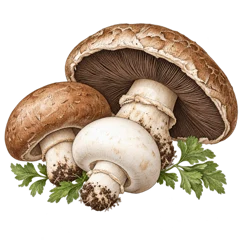
Agaricus bisporus
Cultivated: United States, especially Pennsylvania.
Common cultivated culinary mushroom in several maturity forms.
Comparison & sources
Already in the library; this regional note adds place-specific sources to the same ingredient.
Library entry 222. Read its cautions.
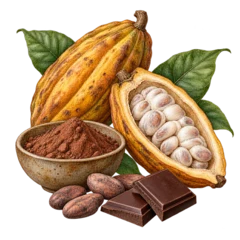
Theobroma cacao
Cultivated/traditional processing: Mexico/Mesoamerica and Caribbean.
Processed beans used for cocoa, chocolate and drinks.
Comparison & sources
Existing card already covers this identity, use and relevant regional heritage; retain its ID and attach to continental selection without a duplicate.
Library entry 246. Read its cautions.
Food & carrier oils
Added in this update
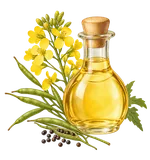
Brassica napus and B. rapa; low-erucic cultivars
Cultivated/plant breeding: Canada, including Saskatchewan and Manitoba.
Culinary oil made from food-grade canola cultivars.
Comparison & sources
No equivalent identity/form in the 291-entry baseline.
Library entry 371. Read its cautions.
Plant foods
Added in this update
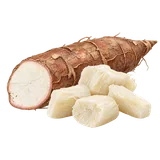
Manihot esculenta
Introduced/cultivated: Belize and Caribbean, including Trinidad and Tobago.
Processed and thoroughly cooked starchy root; cyanogenic compounds require appropriate preparation.
Comparison & sources
No equivalent identity/form in the 291-entry baseline.
Library entry 335. Read its cautions.
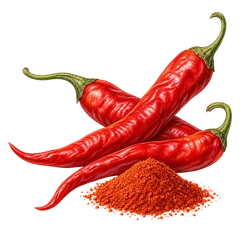
Capsicum annuum, cayenne cultivars
Cultivated/traded: United States, including Louisiana cooking.
Dried pepper supplies culinary heat.
Comparison & sources
Existing card already covers this identity, use and relevant regional heritage; retain its ID and attach to continental selection without a duplicate.
Library entry 270. Read its cautions.
Plant foods
Added in this update
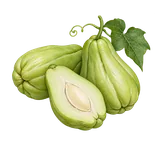
Sechium edule
Domesticated/cultivated: Mesoamerica, including Mexico.
Cooked vegetable fruit.
Comparison & sources
No equivalent identity/form in the 291-entry baseline.
Library entry 415. Read its cautions.
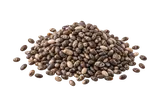
Seeds · Plant foods
Added in this update
Salvia hispanica
Native/cultivated: Mexico and Central America; Tlaxcala food preparation documented.
Seeds added to drinks and foods.
Comparison & sources
No equivalent identity/form in the 291-entry baseline.
Library entry 393. Read its cautions.
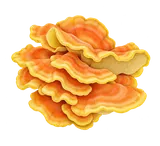
Mushrooms
Added in this update
Laetiporus spp.
Wild-harvested: United States Mid-Atlantic forests.
Cooked culinary fungus after expert species and substrate identification.
Comparison & sources
No equivalent identity/form in the 291-entry baseline.
Library entry 397. Read its cautions.
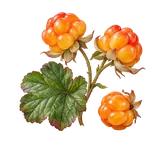
Plant foods
Added in this update
Rubus chamaemorus
Native: Alaska, Canada and Greenland; circumboreal, not exclusively North American.
Ripe berries and preserves.
Comparison & sources
No equivalent identity/form in the 291-entry baseline.
Library entry 382. Read its cautions.
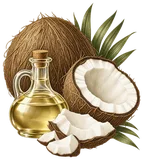
Cocos nucifera
Introduced/cultivated/processed: Caribbean, including Trinidad and Tobago.
Coconut-derived culinary fat; distinct from milk and flesh.
Comparison & sources
Already in the library; this regional note adds place-specific sources to the same ingredient.
Library entry 27. Read its cautions.
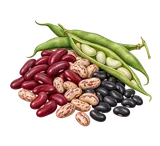
Plant foods
Added in this update
Phaseolus vulgaris
Domesticated/cultivated: Mexico/Mesoamerica; regional food crop in Belize.
Properly cooked dry beans and edible immature pods.
Comparison & sources
New identity: existing doc 143 is Vicia faba (fava/broad beans), not Phaseolus vulgaris.
Library entry 404. Read its cautions.
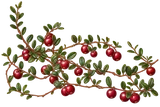
Vaccinium macrocarpon
Native/cultivated: North America, including United States.
Tart fruit used in sauces, preserves and drinks.
Comparison & sources
Existing card already covers this identity, use and relevant regional heritage; retain its ID and attach to continental selection without a duplicate.
Library entry 169. Read its cautions.
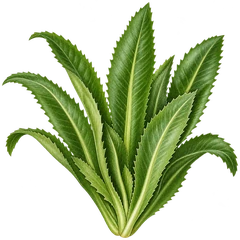
Eryngium foetidum
Cultivated: Caribbean and Central America; Puerto Rico example.
Aromatic leaves season sofrito and other dishes.
Comparison & sources
Existing card already covers this identity, use and relevant regional heritage; retain its ID and attach to continental selection without a duplicate.
Library entry 268. Read its cautions.
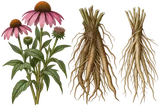
Echinacea purpurea, E. angustifolia, E. pallida
Native: United States east of the Rocky Mountains.
Herbal supplements; preparation-specific evidence and allergy cautions matter.
Comparison & sources
Existing card already covers this identity, use and relevant regional heritage; retain its ID and attach to continental selection without a duplicate.
Library entry 3. Read its cautions.
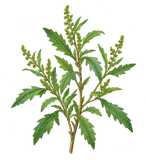
Herbs
Added in this update
Dysphania ambrosioides
Cultivated/traditional culinary use: Mexico.
Small culinary leaf amounts season beans; essential oil is not a food substitute.
Comparison & sources
No equivalent identity/form in the 291-entry baseline.
Library entry 391. Read its cautions.
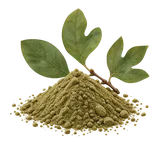
Spices · Plant foods
Added in this update
Sassafras albidum; dried leaf
Native/traditional processing: Louisiana, United States.
Ground leaves flavor and thicken gumbo; distinct from root bark or essential oil.
Comparison & sources
No equivalent identity/form in the 291-entry baseline.
Library entry 389. Read its cautions.
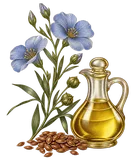
Linum usitatissimum
Introduced/cultivated: Canada and United States.
Food-grade seeds used in grain foods; industrial linseed products are separate.
Comparison & sources
Already in the library; this regional note adds place-specific sources to the same ingredient.
Library entry 160. Read its cautions.
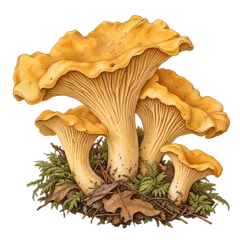
Cantharellus spp.; regional species complex
Wild-harvested: United States Mid-Atlantic and other regional forests.
Cooked culinary mushrooms; do not assign every North American species to C. cibarius.
Comparison & sources
Existing card already covers this identity, use and relevant regional heritage; retain its ID and attach to continental selection without a duplicate.
Library entry 219. Read its cautions.
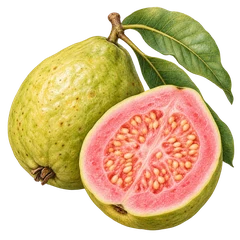
Psidium guajava
Cultivated/traditional food: Caribbean, including Trinidad and Tobago.
Ripe fruit eaten fresh and processed.
Comparison & sources
Already in the library; this regional note adds place-specific sources to the same ingredient.
Library entry 272. Read its cautions.
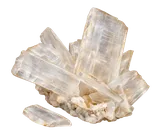
CaSO4·2H2O
Geological/mined: United States.
Construction and soil-conditioning mineral; no ingestion recommendation.
Comparison & sources
Geological/material reference only. Do not turn this into a nutritional supplement or ingestion card.
Library entry 377. Read its cautions.
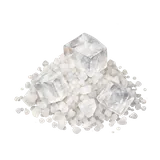
Minerals
Added in this update
NaCl
Geological/processed: United States; Canada and Mexico are regional salt suppliers.
Food-grade salt seasons foods; mined or industrial salt is not automatically edible.
Comparison & sources
No equivalent identity/form in the 291-entry baseline.
Library entry 311. Read its cautions.
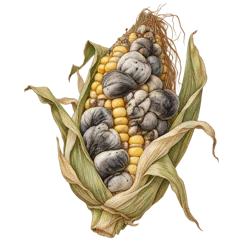
Ustilago maydis
Traditional processing/cultivated: Mexico.
Young maize galls cooked in quesadillas, soups and other dishes.
Comparison & sources
Existing card already covers this identity, use and relevant regional heritage; retain its ID and attach to continental selection without a duplicate.
Library entry 230. Read its cautions.
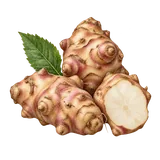
Plant foods
Added in this update
Helianthus tuberosus
Native/traditional food and cultivated: Canada and United States.
Edible tubers used as vegetables; inulin may cause gas.
Comparison & sources
No equivalent identity/form in the 291-entry baseline.
Library entry 420. Read its cautions.
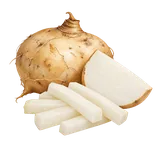
Plant foods
Added in this update
Pachyrhizus erosus
Cultivated: Mexico.
Peeled root eaten as a vegetable; seeds and other parts are not edible.
Comparison & sources
No equivalent identity/form in the 291-entry baseline.
Library entry 414. Read its cautions.
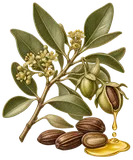
Simmondsia chinensis; liquid seed wax
Native/cultivated: Sonoran Desert, United States and Mexico.
Liquid wax used in cosmetics and balms; not a cooking oil.
Comparison & sources
Existing card already covers this identity, use and relevant regional heritage; retain its ID and attach to continental selection without a duplicate.
Library entry 30. Read its cautions.
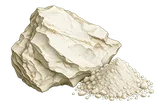
Kaolinite-rich clay
Geological/mined: United States.
Industrial paper and refractory material; product grade governs any other use.
Comparison & sources
Already in the library; this regional note adds place-specific sources to the same ingredient.
Library entry 99. Read its cautions.
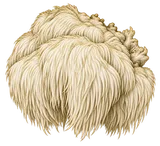
Hericium erinaceus
Wild-harvested/cultivated: United States, including Pennsylvania.
Culinary mushroom; food and extracts are distinct.
Comparison & sources
Already in the library; this regional note adds place-specific sources to the same ingredient.
Library entry 52. Read its cautions.
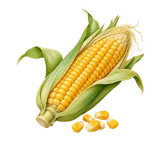
Plant foods
Added in this update
Zea mays
Domesticated/cultivated: Mexico and Mesoamerica; staple crop in Belize and United States.
Grain, masa and fresh kernels used in foods.
Comparison & sources
No equivalent identity/form in the 291-entry baseline.
Library entry 403. Read its cautions.
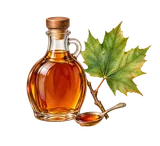
Plant foods
Added in this update
Acer saccharum and other suitable Acer species; concentrated sap
Traditional processing/cultivated: Canada and northeastern United States.
Concentrated tree sap used as a sweetener.
Comparison & sources
No equivalent identity/form in the 291-entry baseline.
Library entry 406. Read its cautions.
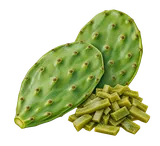
Plant foods
Added in this update
Opuntia spp., including O. ficus-indica
Native/cultivated: Mexico.
Prepared young pads as vegetables; fruit also has distinct culinary uses.
Comparison & sources
No equivalent identity/form in the 291-entry baseline.
Library entry 413. Read its cautions.
Plant foods
Added in this update
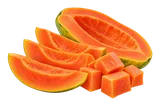
Carica papaya
Domesticated/cultivated: Mexico/Mesoamerica and Caribbean.
Ripe pulp eaten as fruit; distinct from seed preparations.
Comparison & sources
New food-form card: doc 194 is Papaya seed and should not stand in for fruit flesh.
Library entry 417. Read its cautions.
Plant foods
Added in this update
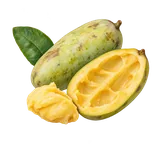
Asimina triloba
Native: eastern United States.
Ripe fruit pulp; seeds and skin are excluded.
Comparison & sources
No equivalent identity/form in the 291-entry baseline.
Library entry 408. Read its cautions.
Plant foods
Added in this update
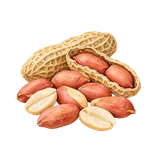
Arachis hypogaea
Introduced/cultivated/traditional food: Mexico.
Edible legume kernels eaten roasted or used in foods.
Comparison & sources
No equivalent identity/form in the 291-entry baseline.
Library entry 418. Read its cautions.
Plant foods
Added in this update
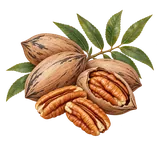
Carya illinoinensis
Native/cultivated: North America; United States southern orchards documented.
Edible kernels used in baking and other foods.
Comparison & sources
No equivalent identity/form in the 291-entry baseline.
Library entry 410. Read its cautions.
Mentha × piperita
Introduced/cultivated/distilled: United States Pacific Northwest.
Concentrated mint flavor/fragrance ingredient in formulated products; not leaf tea.
Comparison & sources
Already in the library; this regional note adds place-specific sources to the same ingredient.
Library entry 35. Read its cautions.
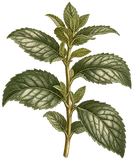
Mentha × piperita
Introduced/cultivated: United States, including Pacific Northwest.
Leaves flavor foods and infusions; distinct from concentrated oil.
Comparison & sources
Already in the library; this regional note adds place-specific sources to the same ingredient.
Library entry 13. Read its cautions.
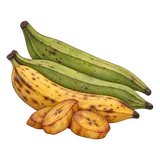
Plant foods
Added in this update
Musa cultivars, commonly AAB Plantain subgroup
Introduced/cultivated: Belize and Caribbean.
Starchy cooking banana used cooked at green or ripe stages.
Comparison & sources
Distinct culinary cultivar group from doc 253 Burro bananas; do not rename that card to plantain.
Library entry 336. Read its cautions.
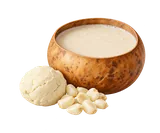
Fermented plant foods · Plant foods
Added in this update
Zea mays, sometimes Theobroma cacao; mixed fermentation
Traditional processing: Chiapas and Tabasco, Mexico.
Fermented nixtamalized-maize dough beverage, sometimes with cacao.
Comparison & sources
No equivalent identity/form in the 291-entry baseline.
Library entry 399. Read its cautions.
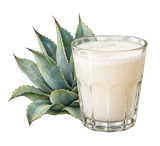
Fermented plant foods · Plant foods
Added in this update
Agave salmiana and related maguey species; sap fermentation
Traditional processing: Mexico.
Alcoholic fermented agave-sap beverage; not distilled tequila.
Comparison & sources
No equivalent identity/form in the 291-entry baseline.
Library entry 400. Read its cautions.
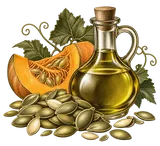
Cucurbita spp.
Cultivated/traditional processing: Mexico.
Pepitas eaten whole or ground into pipián sauces.
Comparison & sources
Already in the library; this regional note adds place-specific sources to the same ingredient.
Library entry 162. Read its cautions.
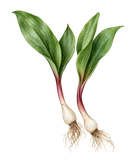
Plant foods
Added in this update
Allium tricoccum
Native: eastern United States and Canada; Cherokee wasdi specifically documented.
Pungent edible leaves and bulbs; prefer cultivated, sustainably sourced material.
Comparison & sources
Different species from doc 251 European wild ramson (Allium ursinum).
Library entry 419. Read its cautions.
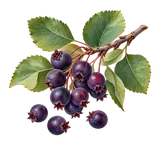
Plant foods
Added in this update
Amelanchier alnifolia and other edible Amelanchier species
Native/cultivated: Canada and United States.
Ripe fruits eaten fresh or preserved.
Comparison & sources
No equivalent identity/form in the 291-entry baseline.
Library entry 407. Read its cautions.
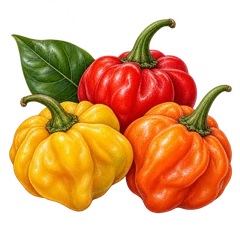
Capsicum chinense
Cultivated: Caribbean, including Jamaica.
Hot culinary pepper; seeds and handling require sensible precautions.
Comparison & sources
Existing card already covers this identity, use and relevant regional heritage; retain its ID and attach to continental selection without a duplicate.
Library entry 264. Read its cautions.
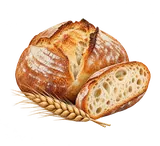
Fermented plant foods · Plant foods
Added in this update
Triticum aestivum flour; yeasts and lactic acid bacteria
Introduced/traditional processing: United States, including Alaska.
Baked leavened bread made using fermented flour starter.
Comparison & sources
No equivalent identity/form in the 291-entry baseline.
Library entry 402. Read its cautions.
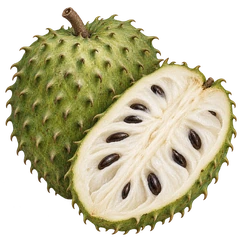
Annona muricata
Cultivated/traditional food: Caribbean.
Ripe fruit pulp used in foods and drinks; seeds excluded.
Comparison & sources
Existing card already covers this identity, use and relevant regional heritage; retain its ID and attach to continental selection without a duplicate.
Library entry 254. Read its cautions.
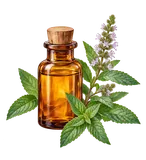
Essential oils
Added in this update
Mentha spicata; commercial Scotch-mint oils require separate identity
Introduced/cultivated/distilled: United States Pacific Northwest.
Concentrated mint ingredient for formulated flavor/fragrance products.
Comparison & sources
No equivalent identity/form in the 291-entry baseline.
Library entry 395. Read its cautions.
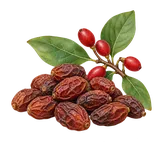
Spices · Plant foods
Added in this update
Lindera benzoin
Native: eastern United States and Canada.
Dried aromatic fruits used as a spice.
Comparison & sources
No equivalent identity/form in the 291-entry baseline.
Library entry 390. Read its cautions.
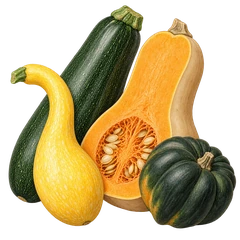
Cucurbita pepo, C. moschata and other cultivated Cucurbita species
Domesticated/cultivated: Mexico and United States; Mandan, Hidatsa and Arikara gardens documented.
Young and mature fruits used in cooked foods.
Comparison & sources
Existing card already covers this identity, use and relevant regional heritage; retain its ID and attach to continental selection without a duplicate.
Library entry 250. Read its cautions.
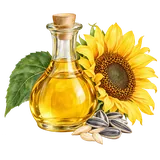
Food & carrier oils
Added in this update
Helianthus annuus; seed oil
Cultivated/processed: United States, including North Dakota.
Culinary pressed or refined seed oil; distinct from whole seeds.
Comparison & sources
No equivalent identity/form in the 291-entry baseline.
Library entry 372. Read its cautions.
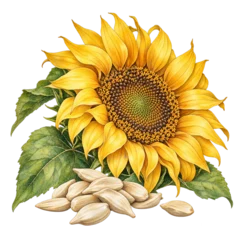
Helianthus annuus
Cultivated/traditional food: Mandan, Hidatsa and Arikara communities, United States.
Dried edible seeds for food.
Comparison & sources
Existing card already covers this identity, use and relevant regional heritage; retain its ID and attach to continental selection without a duplicate.
Library entry 241. Read its cautions.
Ipomoea batatas
Cultivated: Mexico and Caribbean, including Trinidad and Tobago.
Cooked storage roots used as a staple.
Comparison & sources
Already in the library; this regional note adds place-specific sources to the same ingredient.
Library entry 163. Read its cautions.
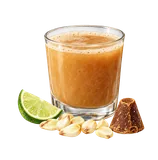
Fermented plant foods · Plant foods
Added in this update
Zea mays substrate; mixed fermentation
Traditional processing: western Mexico, including Jalisco and Nayarit.
Maize-based fermented drink; recipes and alcohol content vary.
Comparison & sources
No equivalent identity/form in the 291-entry baseline.
Library entry 401. Read its cautions.
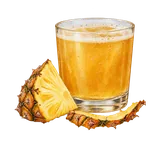
Fermented plant foods · Plant foods
Added in this update
Ananas comosus substrate; mixed microbial fermentation
Traditional processing: Mexico, including central Mexico and Oaxaca.
Fermented pineapple drink; alcohol content and safety depend on process.
Comparison & sources
No equivalent identity/form in the 291-entry baseline.
Library entry 398. Read its cautions.
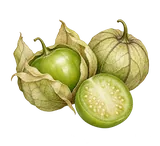
Plant foods
Added in this update
Physalis philadelphica
Domesticated/cultivated: Mexico.
Husked fruit used in salsa verde and cooked dishes.
Comparison & sources
No equivalent identity/form in the 291-entry baseline.
Library entry 412. Read its cautions.
Plant foods
Added in this update
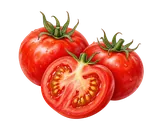
Solanum lycopersicum
Domesticated/cultivated: Mexico and Mesoamerica; now widely cultivated.
Ripe fruit used fresh and cooked.
Comparison & sources
No equivalent identity/form in the 291-entry baseline.
Library entry 411. Read its cautions.
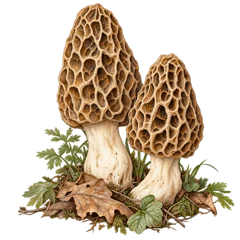
Morchella spp.
Wild-harvested: United States Mid-Atlantic forests.
Cooked culinary mushrooms after expert identification; toxic look-alikes exist.
Comparison & sources
Existing card already covers this identity, use and relevant regional heritage; retain its ID and attach to continental selection without a duplicate.
Library entry 220. Read its cautions.
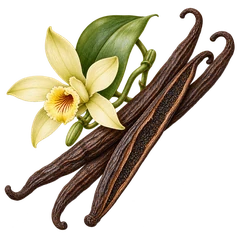
Vanilla planifolia
Native/cultivated: Mexico and Mesoamerica.
Cured pods flavor sweets and drinks.
Comparison & sources
Existing card already covers this identity, use and relevant regional heritage; retain its ID and attach to continental selection without a duplicate.
Library entry 275. Read its cautions.
Plant foods
Added in this update
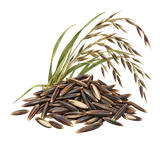
Zizania palustris and Z. aquatica
Native/traditional food: Canada and United States; Anishinaabeg of Ontario specifically documented.
Cooked aquatic-grass grain; cultural harvesting rights and stewardship matter.
Comparison & sources
No equivalent identity/form in the 291-entry baseline.
Library entry 405. Read its cautions.
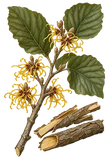
Hamamelis virginiana
Native: eastern United States and Canada.
Extracts used in topical lotions and ointments.
Comparison & sources
Existing card already covers this identity, use and relevant regional heritage; retain its ID and attach to continental selection without a duplicate.
Library entry 101. Read its cautions.
Herbs
Added in this update
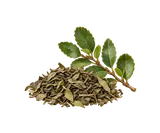
Ilex vomitoria
Native/cultivated: southeastern United States, including Florida.
Prepared leaves make a caffeinated tea; berries are not the tea ingredient.
Comparison & sources
No equivalent identity/form in the 291-entry baseline.
Library entry 392. Read its cautions.
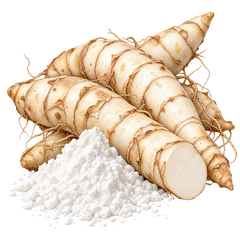
Maranta arundinacea L.
Native tropical American plant; cultivated and processed in the Caribbean, with an especially well-documented Saint Vincent food tradition.
Food-grade rhizome starch thickens sauces and puddings and appears in Vincentian madungo bakes.
Comparison & sources
Adds a distinctive starch-processing and Garifuna festival-food connection using an existing card absent from every regional shelf. Already present in the library before this supplemental selection.
Library entry 258. Read its cautions.
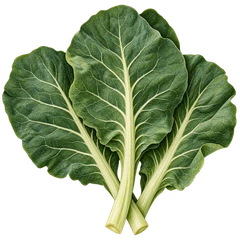
Brassica oleracea L., collard types
Introduced vegetable with a long cultivation history in the southern United States and strong African American food traditions.
Leaves are cooked as greens; Smithsonian food-history material documents slow-cooked collards and potlikker.
Comparison & sources
Adds everyday leafy greens and African American foodways rather than another fruit, oil or spice. Already present in the library before this supplemental selection.
Library entry 263. Read its cautions.
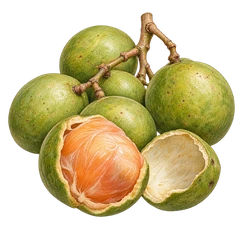
Melicoccus bijugatus Jacq.
Native to northern South America and introduced throughout the Caribbean and Central America; also cultivated in southern Florida.
The ripe fruit’s aril is eaten; the large seed is not part of this food use and presents a choking hazard.
Comparison & sources
Adds a recognizable Caribbean fruit with clear introduced-versus-native geography and existing safety coverage. Already present in the library before this supplemental selection.
Library entry 257. Read its cautions.
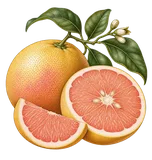
Citrus × paradisi Macfad. (grapefruit hybrid)
Hybrid historically documented in Barbados and subsequently cultivated commercially in Florida and other warm parts of North America.
Edible flesh and juice; grapefruit can interact with medicines, and commercial grapefruit-seed extract is a separate product.
Comparison & sources
Adds a Caribbean-origin citrus history with a practical food-versus-extract distinction already handled in its card. Already present in the library before this supplemental selection.
Library entry 193. Read its cautions.
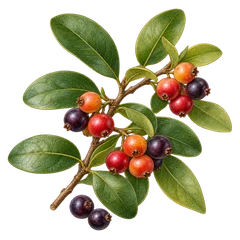
Myrciaria floribunda (H.West ex Willd.) O.Berg
Native in the Caribbean; St. Martin has a specifically documented Christmas guavaberry tradition.
Ripe fruit is used in tarts and preserves; guavaberry rum is a historical and cultural beverage reference.
Comparison & sources
Adds a small-island seasonal tradition and a fruit easily confused with guava; reuses an existing, unindexed card. Already present in the library before this supplemental selection.
Library entry 271. Read its cautions.
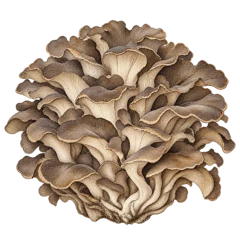
Grifola frondosa (Dicks.) Gray
Native in North America; Illinois state biodiversity material documents its local occurrence.
An edible mushroom when professionally identified and appropriately cooked; use a trusted food supplier, not this shelf as a foraging guide.
Comparison & sources
Adds an existing unindexed fungus with a strong regional record, distinct from chicken of the woods already selected. Already present in the library before this supplemental selection.
Library entry 212. Read its cautions.
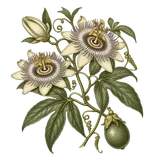
Passiflora incarnata L.
Native to the southeastern and south-central United States; use this species-specific connection rather than treating every passionflower as interchangeable.
Historical herbal aerial-part preparations; evidence and sedation, pregnancy and medicine cautions remain on the existing card.
Comparison & sources
Adds an omitted native herbal reference while clearly separating it from edible Passiflora edulis passion fruit. Already present in the library before this supplemental selection.
Library entry 12. Read its cautions.
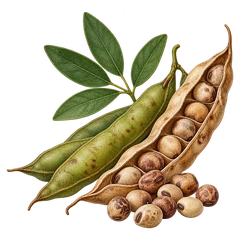
Cajanus cajan (L.) Huth
Introduced crop of Indian origin, widely cultivated in the Caribbean; Trinidad and Tobago documents local seed production and pelau use.
Green or dried seeds are cooked in pelau, stews and rice dishes.
Comparison & sources
Adds a Caribbean pulse and an explicit introduction story; separate from the common beans already selected. Already present in the library before this supplemental selection.
Library entry 261. Read its cautions.
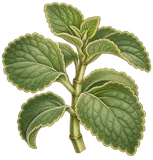
Coleus amboinicus Lour. (syn. Plectranthus amboinicus)
Introduced kitchen herb; Trinidad and Tobago’s agriculture ministry lists Spanish thyme among locally grown herbs.
Aromatic, fleshy leaves season food; identity must be checked because regional thyme and oregano names overlap.
Comparison & sources
Adds a distinctive Caribbean leaf seasoning, with an explicit common-name safeguard rather than another generic oregano card. Already present in the library before this supplemental selection.
Library entry 202. Read its cautions.
Hymenaea courbaril L.
Native across tropical America, including the Greater and Lesser Antilles; documented in Jamaican fruit traditions.
The ripe pod contains sweet, dry, flour-like edible pulp; bark, resin, hard seeds and shell are different materials.
Comparison & sources
Adds an unusual edible pod pulp and a named Jamaican food connection without creating a duplicate species card. Already present in the library before this supplemental selection.
Library entry 256. Read its cautions.