A curated regional selection based on documented association, historical interest and useful variety. This is not a measured popularity or health ranking. Native origin, introduced cultivation, trade and traditional processing are identified separately.
Plant foods
Added in this update
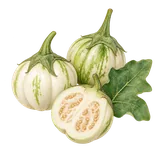
Solanum aethiopicum
African domestication/cultivation: West and Central African markets.
Edible fruit and, in suitable cultivar groups, cooked leaves.
Comparison & sources
No exact identity and preparation match in the 291-entry inventory.
Library entry 332. Read its cautions.
Plant foods
Added in this update
Dioscorea rotundata and D. cayenensis
Native/domesticated: West African yam belt, including Nigeria and Ghana.
Cultivated tubers cooked and eaten in pieces or pounded foods.
Comparison & sources
Not medicinal North American wild yam (91) or sweet potato (163).
Library entry 334. Read its cautions.
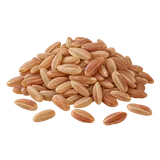
Plant foods
Added in this update
Oryza glaberrima
Native/domesticated: West Africa, including Guinea, Sierra Leone and Mali.
Cooked rice and rice-flour foods; distinct from Asian Oryza sativa.
Comparison & sources
No exact identity and preparation match in the 291-entry inventory.
Library entry 324. Read its cautions.
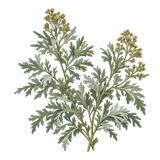
Herbs
Added in this update
Artemisia afra
Native: South Africa northward into East Africa and Ethiopia.
Traditional aromatic herb and infusion material; historical use is not proof of treatment efficacy.
Comparison & sources
Not inventory 89 Artemisia absinthium or 197 Artemisia annua; different species.
Library entry 306. Read its cautions.
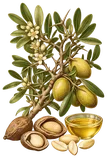
Argania spinosa
Native and traditional processing: southwestern Morocco.
Culinary oil and separately labeled cosmetic oil; preparation determines use.
Comparison & sources
Already in the library; the African regional connection and sources are included here.
Library entry 68. Read its cautions.
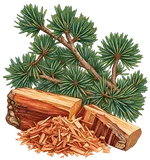
Cedrus atlantica
Native/processed: Morocco and Algeria’s Atlas cedar region.
Wood-distilled fragrance oil for formulated products.
Comparison & sources
Already in the library; the African regional connection and sources are included here.
Library entry 75. Read its cautions.
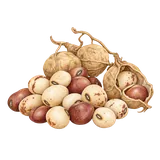
Plant foods
Added in this update
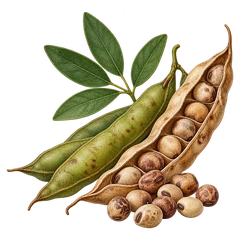
Vigna subterranea
Native/cultivated: Burkina Faso, Nigeria, Zimbabwe and wider Africa.
Cooked pulse, roasted seed and flour foods.
Comparison & sources
No exact identity and preparation match in the 291-entry inventory.
Library entry 326. Read its cautions.
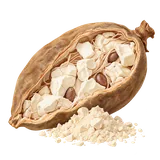
Plant foods
Added in this update
Adansonia digitata
Native/traditional food: Senegal, Sudan and southern African countries.
Tart fruit pulp in drinks and foods; distinct from seed oil.
Comparison & sources
Whole-food pulp and extracted seed oil are separate materials with different uses.
Library entry 327. Read its cautions.
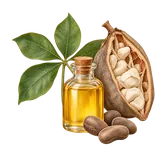
Food & carrier oils
Added in this update
Adansonia digitata
Native and processed: Zimbabwe, Senegal and South Africa.
Fixed seed oil used in formulated skin and hair products.
Comparison & sources
Not baobab fruit powder; seed oil has different composition and cosmetic purpose.
Library entry 300. Read its cautions.
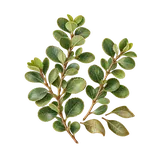
Herbs
Added in this update
Agathosma betulina
Native/cultivated: South Africa’s Western Cape; Khoi-associated traditions.
Documented aromatic and traditional herbal material; concentrated oil is separate.
Comparison & sources
No exact identity and preparation match in the 291-entry inventory.
Library entry 305. Read its cautions.
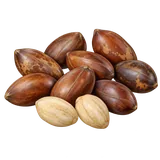
Spices · Plant foods
Added in this update
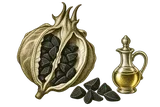
Monodora myristica
Native and cultivated: West/Central Africa; Nigeria and Cameroon.
Ground seeds flavor cooking; distinct from Myristica nutmeg.
Comparison & sources
Not inventory 276, which is Myristica fragrans.
Library entry 294. Read its cautions.
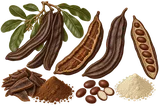
Ceratonia siliqua
Cultivated: Mediterranean North Africa, including Morocco.
Sweet pod pulp used in flour and other foods.
Comparison & sources
Already in the library; the African regional connection and sources are included here.
Library entry 158. Read its cautions.
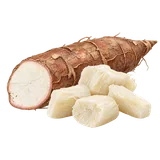
Plant foods
Added in this update
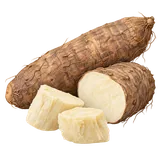
Manihot esculenta
Introduced/cultivated: tropical America to Africa; major crop in Nigeria and DR Congo.
Properly processed and cooked starchy root; never assume raw cassava is safe.
Comparison & sources
Root crop deserves separate identity from processed fermented gari.
Library entry 335. Read its cautions.
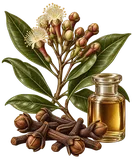
Syzygium aromaticum
Introduced/cultivated: Madagascar, Comoros and Tanzania’s Zanzibar islands.
Dried flower buds used as spice; not essential oil.
Comparison & sources
Already in the library; the African regional connection and sources are included here.
Library entry 88. Read its cautions.
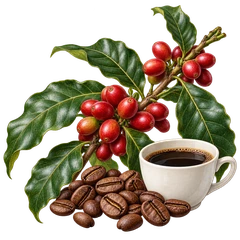
Coffea arabica; C. canephora also cultivated
Native/cultivated: Ethiopian and neighboring African coffee diversity and production.
Roasted seeds brewed as a caffeinated beverage.
Comparison & sources
Already in the library; the African regional connection and sources are included here.
Library entry 288. Read its cautions.
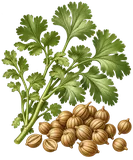
Coriandrum sativum
Cultivated/traded: Moroccan cuisine; distinct seed and fresh-leaf uses.
Ripe dried fruits flavor spice blends and cooking.
Comparison & sources
Seed form is already covered within combined coriander/cilantro card; expand rather than duplicate.
Library entry 95. Read its cautions.
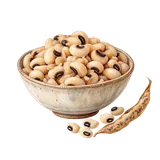
Plant foods
Added in this update
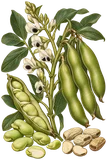
Vigna unguiculata
African domestication/cultivation: Nigeria, Niger and wider sub-Saharan Africa.
Cooked pulses, bean pastes and leaves in regional food traditions.
Comparison & sources
Not fava bean (143), pigeon pea (261), or generic biblical beans.
Library entry 325. Read its cautions.
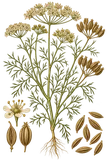
Cuminum cyminum
Cultivated/traded: longstanding Moroccan and wider North African cuisine.
Dried fruits season savory dishes and spice blends.
Comparison & sources
Already in the library; the African regional connection and sources are included here.
Library entry 122. Read its cautions.
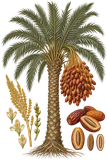
Phoenix dactylifera
Cultivated: North African oasis systems, including Gafsa in Tunisia.
Fresh or dried fruit and date-based foods.
Comparison & sources
Already in the library; the African regional connection and sources are included here.
Library entry 145. Read its cautions.
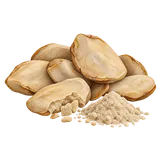
Seeds · Plant foods
Added in this update
Irvingia gabonensis and I. wombolu
Native/cultivated: humid West/Central Africa, including Nigeria and Cameroon.
Ground kernels thicken soups; distinguish kernels from fruit flesh and extracts.
Comparison & sources
No exact identity and preparation match in the 291-entry inventory.
Library entry 309. Read its cautions.
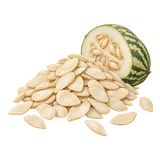
Seeds · Plant foods
Added in this update
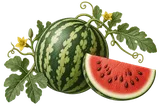
Citrullus mucosospermus and regionally distinct egusi-type cucurbits
Cultivated: West Africa, notably Nigeria and Ghana.
Dehulled kernels ground for soups and sauces; exact species should be labeled.
Comparison & sources
Not ordinary watermelon flesh (150) or pumpkin seed (162); egusi is a culinary seed-type group.
Library entry 307. Read its cautions.
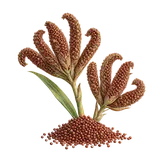
Plant foods
Added in this update
Eleusine coracana
African domestication/cultivation: East Africa, including Uganda and Kenya.
Grain flour used in porridges and other cereal foods.
Comparison & sources
Inventory 151 is a broad biblical millet card; it does not provide an exact species-focused match.
Library entry 323. Read its cautions.
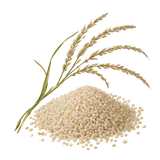
Plant foods
Added in this update
Digitaria exilis; D. iburua is a related cultivated fonio
Native/cultivated: West Africa, including Guinea, Mali and Nigeria.
Small cereal grain cooked in porridge and couscous-like dishes.
Comparison & sources
No exact identity and preparation match in the 291-entry inventory.
Library entry 320. Read its cautions.
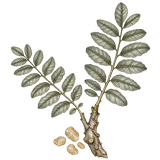
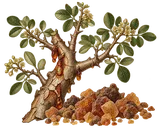
Boswellia species, including B. papyrifera
Native/traded: Ethiopia, Eritrea, Sudan and Somalia frankincense supply regions.
Distilled volatile fragrance oil; not resin extract or a source of boswellic acids.
Comparison & sources
Already in the library; the African regional connection and sources are included here.
Library entry 39. Read its cautions.
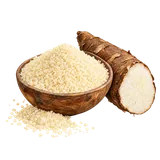
Fermented plant foods · Plant foods
Added in this update
Fermented and roasted Manihot esculenta root granules
Traditional processing: West Africa, including Nigeria and Ghana.
Cassava granules used for eba and other foods; safe processing is essential.
Comparison & sources
Separate from cassava root because fermentation, pressing and roasting fundamentally change the food preparation.
Library entry 316. Read its cautions.
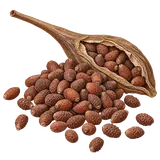
Spices · Plant foods
Added in this update
Aframomum melegueta
Native: West Africa, including Ghana and Nigeria.
Aromatic culinary seeds for seasoning food and drinks.
Comparison & sources
No exact identity and preparation match in the 291-entry inventory.
Library entry 292. Read its cautions.
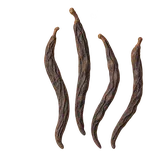
Spices · Plant foods
Added in this update
Xylopia aethiopica
Native and traded: humid West/Central Africa; documented Cameroon markets.
Dried aromatic fruits used as a food seasoning.
Comparison & sources
No exact identity and preparation match in the 291-entry inventory.
Library entry 293. Read its cautions.
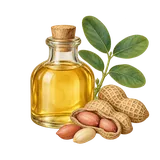
Food & carrier oils
Added in this update
Arachis hypogaea
Introduced/cultivated and processed: African edible-oil sectors, including Sudan.
Food-grade pressed or refined cooking oil; quality and allergen controls matter.
Comparison & sources
No exact identity and preparation match in the 291-entry inventory.
Library entry 301. Read its cautions.
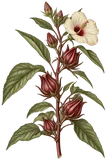
Hibiscus sabdariffa (syn. Sabdariffa gossypiifolia)
Cultivated and traditional use: Egypt and Sudan; wider African beverage use.
Tart calyx infusion, commonly called karkade; not ornamental hibiscus.
Comparison & sources
Already in the library; the African regional connection and sources are included here.
Library entry 7. Read its cautions.
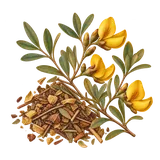
Herbs
Added in this update
Cyclopia genistoides, C. intermedia and C. subternata
Native/cultivated: South African fynbos and Cape tea-producing regions.
Aromatic herbal tea; distinguish commercially used species.
Comparison & sources
No exact identity and preparation match in the 291-entry inventory.
Library entry 304. Read its cautions.
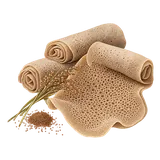
Fermented plant foods · Plant foods
Added in this update
Fermented cereal batter, commonly Eragrostis tef; other grains/blends occur
Traditional processing: Ethiopia and Eritrea.
Fermented batter cooked as a sour, spongy flatbread.
Comparison & sources
Separate from teff grain: a cooked fermented preparation, not a grain synonym.
Library entry 317. Read its cautions.
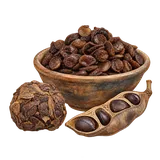
Fermented plant foods · Plant foods
Added in this update
Fermented Parkia biglobosa seeds
Traditional processing: West Africa, including Nigeria, Ghana and Burkina Faso.
Alkaline-fermented locust-bean seasoning for soups and sauces.
Comparison & sources
No exact identity and preparation match in the 291-entry inventory.
Library entry 314. Read its cautions.
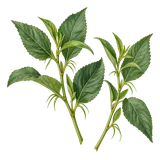
Plant foods
Added in this update
Corchorus olitorius
Cultivated: North and tropical Africa, including Egypt and Nigeria.
Cooked mucilaginous leaves in soups and vegetable dishes.
Comparison & sources
No exact identity and preparation match in the 291-entry inventory.
Library entry 331. Read its cautions.
Kalaharituber pfeilii
Native/traditional food: Kalahari region of Botswana, Namibia and South Africa.
Recognized desert-truffle food; no harvesting or identification instructions.
Comparison & sources
Exact existing species and regional focus; retain and cross-link.
Library entry 229. Read its cautions.
Kaolinite-rich clay; Al2Si2O5(OH)4 is the principal mineral formula
Geological/traded: Cameroon, including Balengou and Yaoundé markets.
Regional clay-use reference; ingestion is not recommended because contamination is documented.
Comparison & sources
Already in the library; the African regional connection and sources are included here.
Library entry 99. Read its cautions.
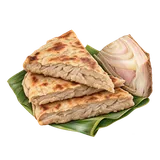
Fermented plant foods · Plant foods
Added in this update
Fermented Ensete ventricosum pseudostem and corm material
Traditional processing: southern and southwestern Ethiopia.
Fermented starchy material cooked into bread and other staple foods.
Comparison & sources
No exact identity and preparation match in the 291-entry inventory.
Library entry 318. Read its cautions.
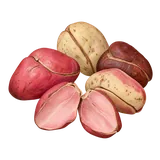
Plant foods
Added in this update
Cola nitida and Cola acuminata
Native/cultivated: West Africa, including Nigeria and Côte d’Ivoire.
Caffeine-containing seeds traditionally chewed or used in beverages.
Comparison & sources
No exact identity and preparation match in the 291-entry inventory.
Library entry 337. Read its cautions.
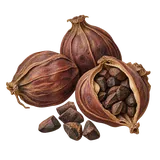
Spices · Plant foods
Added in this update
Aframomum corrorima
Native/cultivated: Ethiopian highlands.
Fresh or dried seeds season wot and spice mixtures.
Comparison & sources
No exact identity and preparation match in the 291-entry inventory.
Library entry 296. Read its cautions.
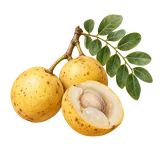
Plant foods
Added in this update
Sclerocarya birrea
Native/traditional food: Southern Africa, including South Africa and Namibia.
Fruit eaten fresh or used in preserves and beverages.
Comparison & sources
Fruit flesh is distinct from marula kernel fixed oil.
Library entry 329. Read its cautions.
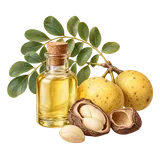
Food & carrier oils
Added in this update
Sclerocarya birrea
Native and traditional processing: Namibia and South Africa; also documented in Burkina Faso.
Kernel-derived fixed oil for food-grade uses and cosmetics, depending on product.
Comparison & sources
Separate from marula fruit because extracted kernel lipid has a different composition and use.
Library entry 299. Read its cautions.
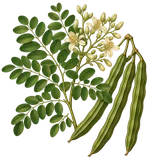
Moringa oleifera
Introduced/cultivated: Africa, including Senegal and Nigeria.
Leaves used as a cooked green and dried leaf ingredient; exclude root and bark.
Comparison & sources
Already in the library; the African regional connection and sources are included here.
Library entry 199. Read its cautions.
✧Minerals
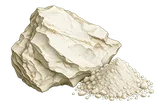
Natron
Reference only
Natural sodium-carbonate/bicarbonate-rich salt mixture
Geological/historical: Wadi el-Natrun, Egypt.
Historical desiccant used in mummification; reference material, not an ingestion recommendation.
Comparison & sources
Not baking soda (103): natron is a variable natural mixture, not pure sodium bicarbonate.
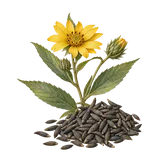
Seeds · Plant foods
Added in this update
Guizotia abyssinica
Native/cultivated: Ethiopian highlands.
Roasted seed condiments and seed-based foods; use food-grade seed, not bird feed.
Comparison & sources
No exact identity and preparation match in the 291-entry inventory.
Library entry 308. Read its cautions.
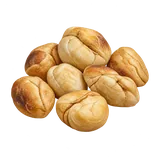
Seeds · Plant foods
Added in this update
Ricinodendron heudelotii
Native/traded: Cameroon and Central African Republic.
Processed kernels ground to flavor and enrich sauces.
Comparison & sources
No exact identity and preparation match in the 291-entry inventory.
Library entry 310. Read its cautions.
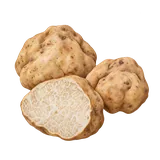
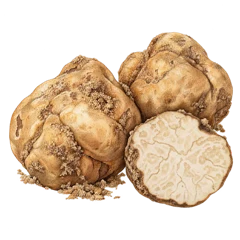
Mushrooms
Added in this update
Terfezia claveryi, T. arenaria and Tirmania nivea
Native/traditional food: Algerian Sahara, including Ouargla and Ghardaïa.
Identified edible truffles cooked in regional dishes; distinct from Kalahari and European truffles.
Comparison & sources
No exact identity and preparation match in the 291-entry inventory.
Library entry 313. Read its cautions.
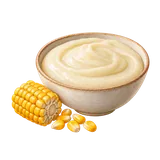
Fermented plant foods · Plant foods
Added in this update
Fermented Zea mays, Sorghum bicolor or millet grain
Traditional processing: West Africa, particularly Nigeria.
Sour fermented cereal base subsequently cooked into porridge or a stiff gel.
Comparison & sources
No exact identity and preparation match in the 291-entry inventory.
Library entry 315. Read its cautions.
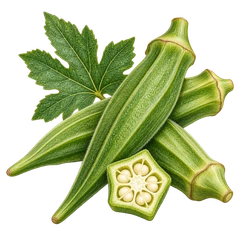
Abelmoschus esculentus
Long cultivated: West, Central and North African food systems; origins debated.
Immature pods cooked as vegetables and soup thickeners.
Comparison & sources
Already in the library; the African regional connection and sources are included here.
Library entry 262. Read its cautions.
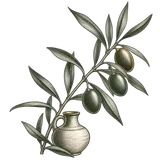
Olea europaea
Cultivated and traditional processing: Tunisia and other Mediterranean African countries.
Pressed fruit oil for cooking and finishing food.
Comparison & sources
Already in the library; the African regional connection and sources are included here.
Library entry 26. Read its cautions.
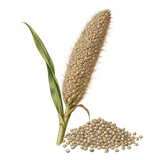
Plant foods
Added in this update
Cenchrus americanus (syn. Pennisetum glaucum)
African domestication/cultivation: Sahel, including Niger, Mali and Senegal.
Drought-adapted staple grain for porridges and breads.
Comparison & sources
Inventory 151 is a broad biblical millet card; species-specific African food coverage is a genuine gap.
Library entry 322. Read its cautions.
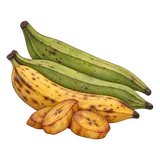
Plant foods
Added in this update
Musa AAB Plantain subgroup
Introduced/cultivated: humid West/Central Africa, including Cameroon and Nigeria.
Starchy cooking banana used in boiled, roasted and fried foods.
Comparison & sources
Not Burro/Bluggoe ABB banana (253); subgroup and food identity differ.
Library entry 336. Read its cautions.
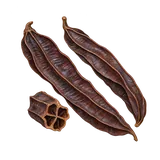
Spices · Plant foods
Added in this update
Tetrapleura tetraptera
Native and traded: West/Central Africa; Cameroon forest-food markets.
Aromatic pods season soups and other cooked dishes.
Comparison & sources
No exact identity and preparation match in the 291-entry inventory.
Library entry 295. Read its cautions.
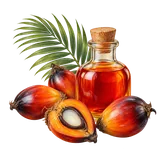
Food & carrier oils
Added in this update
Elaeis guineensis
Native and traditional processing: West/Central Africa, including Nigeria and Sierra Leone.
Fruit-mesocarp cooking oil; distinct from palm-kernel oil.
Comparison & sources
No exact identity and preparation match in the 291-entry inventory.
Library entry 298. Read its cautions.
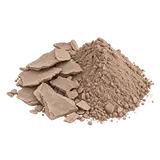
Clays
Added in this update
Stevensite-rich natural clay mixture
Geological/traditional processing: Jbel Ghassoul, Morocco.
Cosmetic cleansing material; geological origin does not establish purity or ingestion safety.
Comparison & sources
No exact identity and preparation match in the 291-entry inventory.
Library entry 312. Read its cautions.
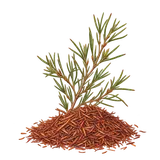
Herbs
Added in this update
Aspalathus linearis
Native/cultivated: South Africa’s Western Cape and Cederberg.
Herbal infusion from processed young stems and leaves.
Comparison & sources
No exact identity and preparation match in the 291-entry inventory.
Library entry 303. Read its cautions.
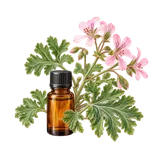
Essential oils
Added in this update
Pelargonium graveolens and commercial rose-scented Pelargonium hybrids
Cultivated: Egypt, Madagascar and Réunion; specify source cultivar.
Aerial-part distillate used in fragrance and formulated cosmetics.
Comparison & sources
No exact identity and preparation match in the 291-entry inventory.
Library entry 302. Read its cautions.
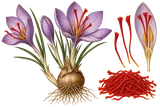
Crocus sativus
Cultivated: Taliouine in Morocco’s Anti-Atlas.
Dried stigmas provide color and aroma in cooking.
Comparison & sources
Already in the library; the African regional connection and sources are included here.
Library entry 134. Read its cautions.
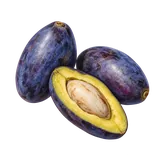
Plant foods
Added in this update
Dacryodes edulis
Native/cultivated: Cameroon, Gabon and Congo Basin.
Oily fruit flesh generally softened by heating before eating.
Comparison & sources
No exact identity and preparation match in the 291-entry inventory.
Library entry 328. Read its cautions.
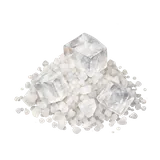
Minerals
Added in this update
Sodium chloride (NaCl)
Geological and processed: Senegal’s salt-producing sector.
Food-grade salt is a seasoning and preservation ingredient; raw deposits are not automatically food-safe.
Comparison & sources
Not iodine (54): iodization is fortification of salt, not identity with iodine.
Library entry 311. Read its cautions.
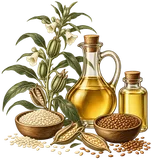
Sesamum indicum
Cultivated/traditional processing: Sudan, including Khartoum and Omdurman presses.
Edible fixed oil pressed from seeds.
Comparison & sources
Separate from whole sesame seeds: extracted oil preparation already has its own baseline card.
Library entry 66. Read its cautions.
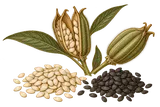
Sesamum indicum
Cultivated and processed: Sudan; seeds enter confections and oil production.
Whole or ground food-grade seeds, including tahnia-type confections.
Comparison & sources
Already in the library; the African regional connection and sources are included here.
Library entry 161. Read its cautions.
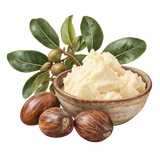
Food & carrier oils
Added in this update
Vitellaria paradoxa
Native and traditional processing: West African shea belt, including Mali.
Seed-derived solid fat used in food and cosmetics.
Comparison & sources
No exact identity and preparation match in the 291-entry inventory.
Library entry 297. Read its cautions.
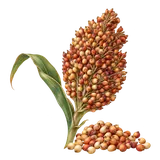
Plant foods
Added in this update
Sorghum bicolor
African domestication/cultivation: Sudan, Ethiopia and the Sahel.
Staple cereal used for porridge, flatbreads and beverages.
Comparison & sources
Inventory 151 discusses disputed biblical millet/sorghum candidates; it is not a dedicated modern sorghum card.
Library entry 321. Read its cautions.
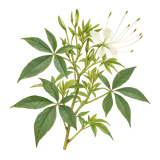
Plant foods
Added in this update
Cleome gynandra (syn. Gynandropsis gynandra)
Native/cultivated: East and Southern Africa; documented Kenyan vegetable traditions.
Cooked leafy vegetable; not the ornamental Chlorophytum spider plant.
Comparison & sources
No exact identity and preparation match in the 291-entry inventory.
Library entry 333. Read its cautions.
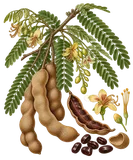
Tamarindus indica
African native-range association and long cultivation: Sahel and East Africa.
Sour fruit pulp for drinks, sauces and seasoning.
Comparison & sources
Already in the library; the African regional connection and sources are included here.
Library entry 110. Read its cautions.
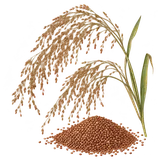
Plant foods
Added in this update
Eragrostis tef
Native/domesticated and cultivated: Ethiopia and Eritrea.
Small cereal grain milled for breads and porridge.
Comparison & sources
No exact identity and preparation match in the 291-entry inventory.
Library entry 319. Read its cautions.
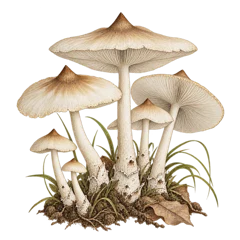
Termitomyces species
Native/traditional food: DR Congo, Zambia and other tropical African countries.
Correctly identified edible species cooked as food; genus alone is not an edibility guarantee.
Comparison & sources
Existing card already anchors African ethnomycology; retain and cross-link.
Library entry 228. Read its cautions.
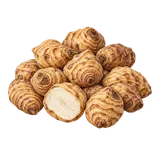
Plant foods
Added in this update
Cyperus esculentus
Cultivated/traded: West African food traditions, including Nigeria.
Edible tubers eaten as snacks or processed into drinks; not a tree nut.
Comparison & sources
No exact identity and preparation match in the 291-entry inventory.
Library entry 338. Read its cautions.
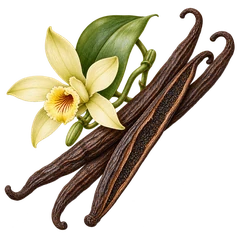
Vanilla planifolia
Introduced/cultivated: Madagascar and neighboring Indian Ocean islands.
Cured pods provide culinary vanilla flavor.
Comparison & sources
Already in the library; the African regional connection and sources are included here.
Library entry 275. Read its cautions.
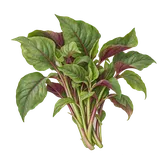
Plant foods
Added in this update
Amaranthus species, including A. cruentus and A. dubius
Cultivated/naturalized: widespread African leafy-vegetable traditions; species origins vary.
Cooked tender leaves and shoots.
Comparison & sources
Not lamb’s quarters (180); avoid implying every Amaranthus species is native or edible.
Library entry 330. Read its cautions.
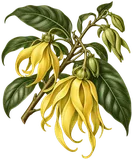
Cananga odorata
Introduced/cultivated: Madagascar and Comoros.
Distilled floral fragrance oil; not edible fixed oil.
Comparison & sources
Already in the library; the African regional connection and sources are included here.
Library entry 76. Read its cautions.