Respiratory symptoms have different causes. Some preparations soothe a throat or help with a cold cough. They do not replace asthma inhalers or treatment for pneumonia.
Dry cough, productive cough and throat symptoms; asthma and sinusitis safety boundaries.
Decorative topic illustration.
Care basics come first
Use prescribed asthma medicines and follow an action plan.
Avoid smoke, vaping and scents that trigger breathing symptoms.
Persistent or worsening cough needs a diagnosis; choose products by exact species, part and route.
How we chose these entries
A selected, evidence-labeled collection, not a worldwide ranking. Traditional use, nutrition, clinical results and laboratory findings are kept separate. Negative and safety entries are not counted as positive options.
Twelve distinct entries include several recorded traditional preparations. No padded list of asthma, COPD or pneumonia treatments. Food and nutrient adequacy do not establish condition-specific respiratory efficacy.
No records match. Try another name or clear the filters.
Care and risk-reduction research
Read the outcome, preparation and limits. A studied benefit does not make every product effective.
Symptom support
Ivy leaf medicine
Ingredient reference illustration: Ivy leaf oral medicine. Studied form: defined oral dry, liquid or soft extract. This does not verify the trial product or formulation, or show that it works. Decorative illustration; not an identification reference.
Hedera helix · leaf
Form
defined oral dry, liquid or soft extract
How it is used
oral
Evidence
EMA well-established medicinal use
Ivy-leaf medicines can help bring up mucus in a chesty cough.
Cautions
Can cause nausea, diarrhea or allergy; breathing trouble after use needs urgent care.
Do not give to children under two; follow the product label.
Ingredient reference illustration: Honey. Studied form: food honey. This does not verify the trial product or formulation, or show that it works. Decorative illustration; not an identification reference.
bee-produced honey
Form
food honey
How it is used
oral
Evidence
limited clinical evidence
Honey may reduce night cough in children older than one.
Cautions
Never give honey under age one; consider sugar intake and allergy.
These historical reports or laboratory findings do not establish a clinical benefit.
Traditional reports
Thyme herb
Ingredient reference illustration: Thyme. Studied form: tea or defined oral herb preparation. This does not verify the trial product or formulation, or show that it works. Decorative illustration; not an identification reference.
Thymus vulgaris; monograph also covers T. zygis · leaves and flowers
Form
tea or defined oral herb preparation
How it is used
oral
Evidence
documented traditional use; clinical evidence insufficient
Traditional thyme preparations are used for a chesty cough with a cold.
Cautions
Avoid with thyme-family allergy; worsening symptoms need assessment.
Most medicinal preparations are for ages 12 and older; some have different labels. Stomach upset can occur.
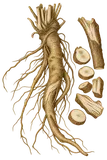
Ingredient reference illustration: Marshmallow root. Studied form: water preparation or labeled oral root medicine. This does not verify the trial product or formulation, or show that it works. Decorative illustration; not an identification reference.
Althaea officinalis · dried root
Form
water preparation or labeled oral root medicine
How it is used
oral or oromucosal as labeled
Evidence
documented traditional use; clinical evidence insufficient
Traditional root preparations soothe mouth or throat irritation with dry cough.
Cautions
Follow product age limits; ethanol extracts have separate restrictions.
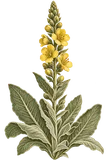
Ingredient reference illustration: Mullein. Studied form: flower tea. This does not verify the trial product or formulation, or show that it works. Decorative illustration; not an identification reference.
Verbascum thapsus; also V. densiflorum and V. phlomoides · dried corollas with stamens
Form
flower tea
How it is used
oral
Evidence
documented traditional use; clinical evidence insufficient
Mullein flowers have traditional use for sore throat linked to dry cough and colds.
Cautions
Do not smoke or vape mullein; no herb smoke is a lung treatment.
EMA limits these flower medicines to adults and adolescents over 12; seek advice if symptoms worsen or persist over a week.
Ingredient reference illustration: Pelargonium root oral extract. Studied form: defined oral liquid or dry extract. This does not verify the trial product or formulation, or show that it works. Decorative illustration; not an identification reference.
Pelargonium sidoides; monograph also covers P. reniforme · root
Form
defined oral liquid or dry extract
How it is used
oral
Evidence
documented traditional use; clinical evidence insufficient
Specific pelargonium-root extracts have traditional use for common-cold symptoms.
Cautions
Liver problems, allergy, stomach upset and mild bleeding have been reported.
Use a labeled root product, not rose-geranium oil.
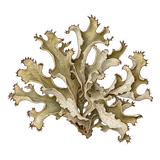
Ingredient reference illustration: Iceland moss. Studied form: tea or defined oral/oromucosal extract. This does not verify the trial product or formulation, or show that it works. Decorative illustration; not an identification reference.
Cetraria islandica · lichen thallus
Form
tea or defined oral/oromucosal extract
How it is used
oral or oromucosal as labeled
Evidence
documented traditional use; clinical evidence insufficient
Iceland moss has traditional use to soothe an irritated throat and related dry cough.
Cautions
Use authenticated labeled material; seek care if worse or lasting over a week.
Ingredient reference illustration: Primula root oral medicine. Studied form: tea or defined root extract. This does not verify the trial product or formulation, or show that it works. Decorative illustration; not an identification reference.
Primula veris; monograph also covers P. elatior · underground parts
Form
tea or defined root extract
How it is used
oral
Evidence
documented traditional use; clinical evidence insufficient
Primula root has traditional use to help bring up phlegm with colds.
Cautions
Follow the product label and age limits; seek care for persistent or worsening cough.
Ingredient reference illustration: Ribwort plantain leaf tea. Studied form: dried-leaf infusion. This does not verify the trial product or formulation, or show that it works. Decorative illustration; not an identification reference.
Plantago lanceolata · leaf
Form
dried-leaf infusion
How it is used
oral
Evidence
documented traditional use; clinical evidence insufficient
Ribwort leaf has traditional use for throat irritation and cough.
Cautions
Avoid with ribwort-pollen allergy.
This tea preparation is not recommended under age 12 in the EMA monograph; pregnancy and breastfeeding use is not recommended.
These records explain what to avoid or why a proposed benefit is not established.
Safety reference
Eucalyptus oil cough preparations
Ingredient reference illustration: Eucalyptus essential oil. Studied form: labeled formulated cough product. This does not verify the trial product or formulation, or show that it works. Decorative illustration; not an identification reference.
Eucalyptus globulus; also E. polybractea and E. smithii · distilled leaf/terminal-branch oil
Form
labeled formulated cough product
How it is used
topical or inhalation only as labeled
Evidence
traditional use with important route-specific safety limits
Traditional cough use does not make eucalyptus oil an asthma treatment.
Cautions
Do not swallow household oil or put it into a nebulizer.
Fragrances and oils may irritate lungs or worsen asthma; avoid if triggered.
Children need strict product age limits; laryngeal spasm and seizures are concerns.
Ingredient reference illustration: Vitamin D. Studied form: oral vitamin D3 supplement. This does not verify the trial product or formulation, or show that it works. Decorative illustration; not an identification reference.
nutrient
Form
oral vitamin D3 supplement
How it is used
oral
Evidence
randomized clinical trial
Vitamin D3 did not reduce first treatment failure or exacerbation in the VIDA asthma trial.
Cautions
Do not replace inhalers; excess vitamin D can be toxic.
Ingredient reference illustration: Bromelain oral supplement. Studied form: manufactured oral bromelain. This does not verify the trial product or formulation, or show that it works. Decorative illustration; not an identification reference.
Ananas comosus · pineapple-derived enzyme mixture
Form
manufactured oral bromelain
How it is used
oral
Evidence
insufficient clinical evidence
Evidence is too limited to recommend bromelain for sinusitis.
Cautions
May cause diarrhea or stomach upset; review medicines.