

Herbal leaf infusion
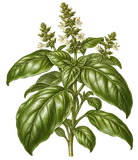
Sweet basil leaf
Ocimum basilicum
Introduced tea-garden culture
Sweet basil is an introduced culinary garden herb in North America. Illinois Extension documents tea made from its fragrant leaves.
Explore this leafLEAVES, PLACES & STORIES
A reading collection of 12 leaves, their regional stories and the traditions they carry.
Historical household practices and modern garden traditions, with sources to explore. A regional connection does not always mean native origin.
Research collection · Editorial review pending
Explore the 12 leaves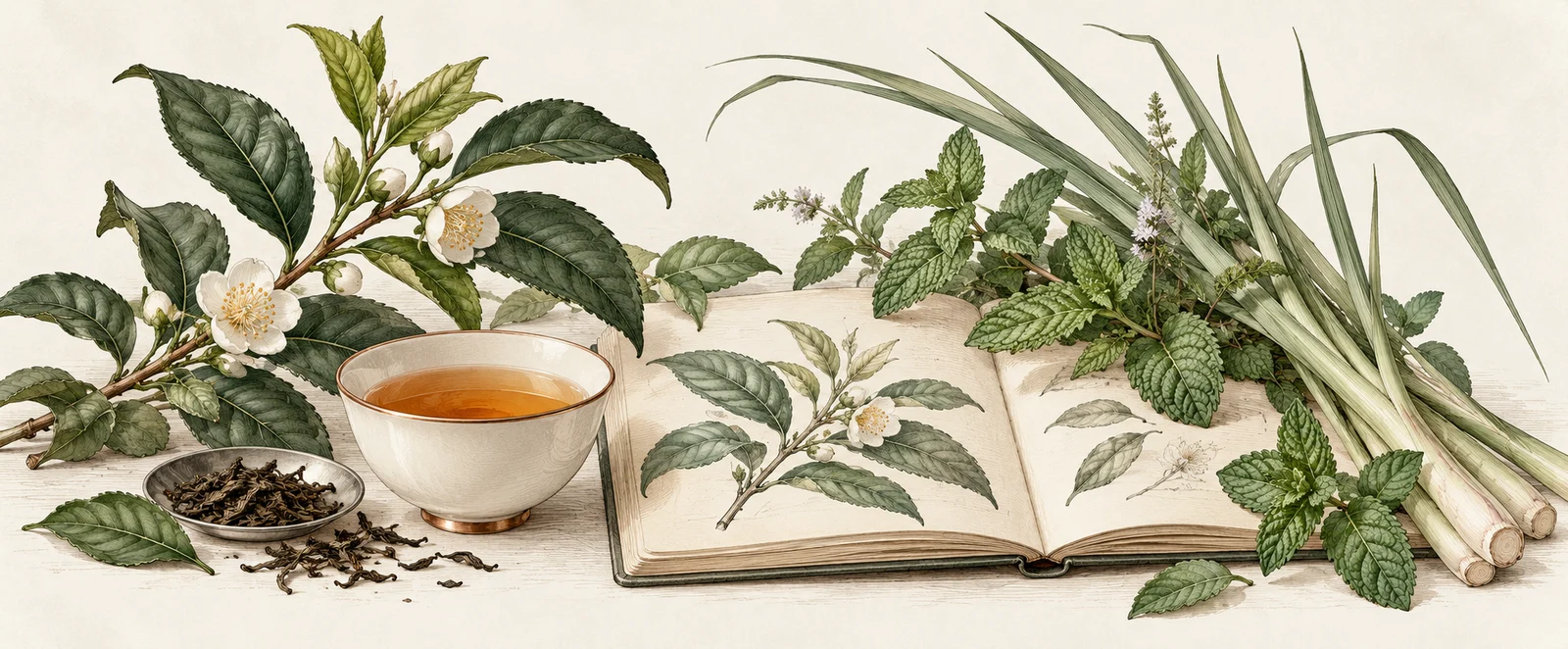
THE REGIONAL COLLECTION
Illustrations are decorative, not identification guides.
12 profiles
Herbal leaf infusion
Ocimum basilicum
Introduced tea-garden culture
Sweet basil is an introduced culinary garden herb in North America. Illinois Extension documents tea made from its fragrant leaves.
Explore this leaf
Herbal leaf infusion
Ocimum tenuiflorum
Introduced tea-garden culture
Tulsi originates in India. Its inclusion in Minnesota tea-garden guidance documents an introduced North American garden association.
Explore this leaf
Herbal leaf infusion
Mentha × piperita
Introduced household and tea-garden culture
Peppermint belongs to introduced garden-tea culture in the Americas. A Brazilian community survey documents peppermint leaf tea in household herbal practice.
Explore this leaf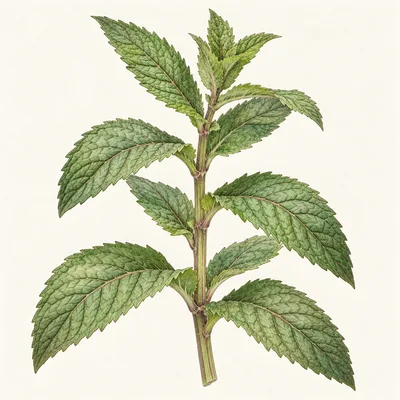
Herbal leaf infusion
Mentha spicata
United States; introduced tea-garden culture
Spearmint is part of contemporary North American tea gardens. Clemson Extension includes Mentha spicata among the perennial herbs in its South Carolina tea-garden guidance. Its garden use is an introduced tradition and does not imply that all plants called mint are interchangeable.
Explore this leaf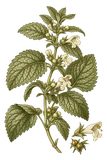
Herbal leaf infusion
Melissa officinalis
Introduced household and tea-garden culture
Lemon balm is an introduced herb in the Americas. Brazilian surveys record its leaf tea in family herbal practice, while US extension gardens use its lemony foliage in beverages.
Explore this leaf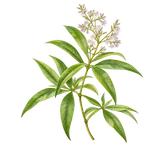
Herbal leaf infusion
Aloysia citrodora
Native South American tradition; introduced North American tea gardens
Lemon verbena is a South American aromatic plant whose culinary and herbal uses spread internationally. It is also documented in North American tea gardens.
Explore this leaf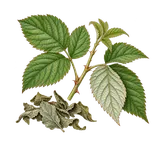
Herbal leaf infusion
Rubus idaeus
Documented North American garden use; wider herbal tradition
University of Minnesota includes raspberry leaves in tea gardens for their black-tea-like flavor. European herbal monographs also record longstanding medicinal leaf use.
Explore this leaf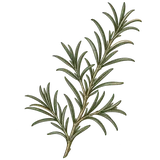
Herbal leaf infusion
Salvia rosmarinus (syn. Rosmarinus officinalis)
United States; introduced tea-garden culture
Clemson Extension includes rosemary among perennial herbs for South Carolina tea gardens. This documents contemporary North American use of its aromatic foliage, alongside its better-known role in cooking. The leaf infusion is distinct from distilled rosemary essential oil.
Explore this leaf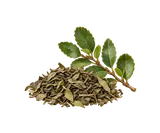
Herbal leaf infusion
Ilex vomitoria
Native beverage tradition
Indigenous peoples of the southeastern United States have long prepared yaupon leaves as a caffeinated drink. Its documented roles include ceremonial gatherings and diplomacy.
Explore this leaf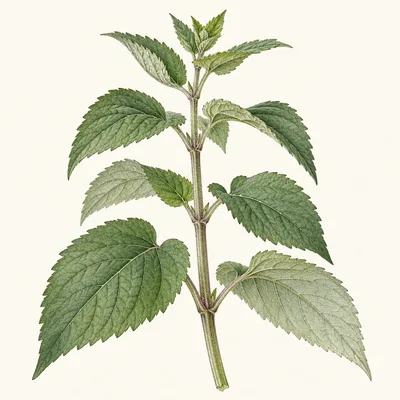
Herbal leaf infusion
Agastache foeniculum
Native plant; documented tea-garden use
This North American mint-family plant has licorice-scented leaves. University of Minnesota documents its use in contemporary pollinator tea gardens.
Explore this leaf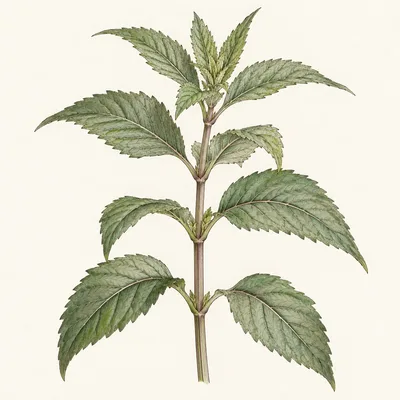
Herbal leaf infusion
Monarda fistulosa
Native plant; documented tea-garden use
Wild bergamot is a North American native used in herbal tea gardens. Its spicy foliage contributes a bergamot-like aroma.
Explore this leaf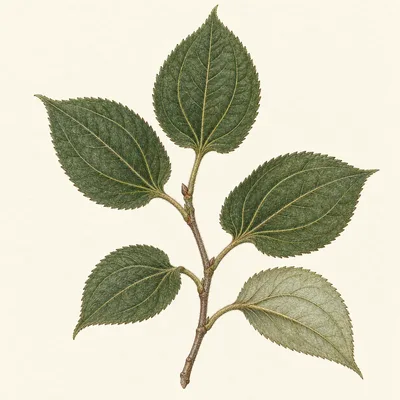
Herbal leaf infusion
Ceanothus americanus
Native beverage tradition
This North American shrub supplied a leaf substitute for imported tea during the American revolutionary era. Modern university tea-garden guidance still includes it.
Explore this leafTry a shorter name, a botanical name, or clear your search to see the full collection.