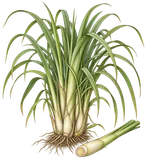
Lemongrass is closely associated with Southeast Asian cooking and is cultivated widely in the tropics. Its leaf blades are used in herbal drinks, distinct from the thick overlapping leaf sheaths commonly sold as culinary stalks.
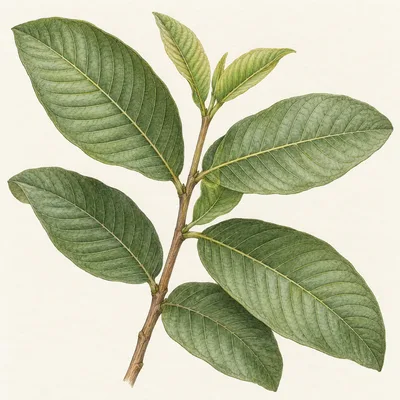
Guava leaves are among the materials used in contemporary Philippine herbal-tea production. DOST-PCAARRD documents an Iloilo Science and Technology University drying project that specifically includes guava foliage. This is a leaf-use record, separate from guava fruit foods.
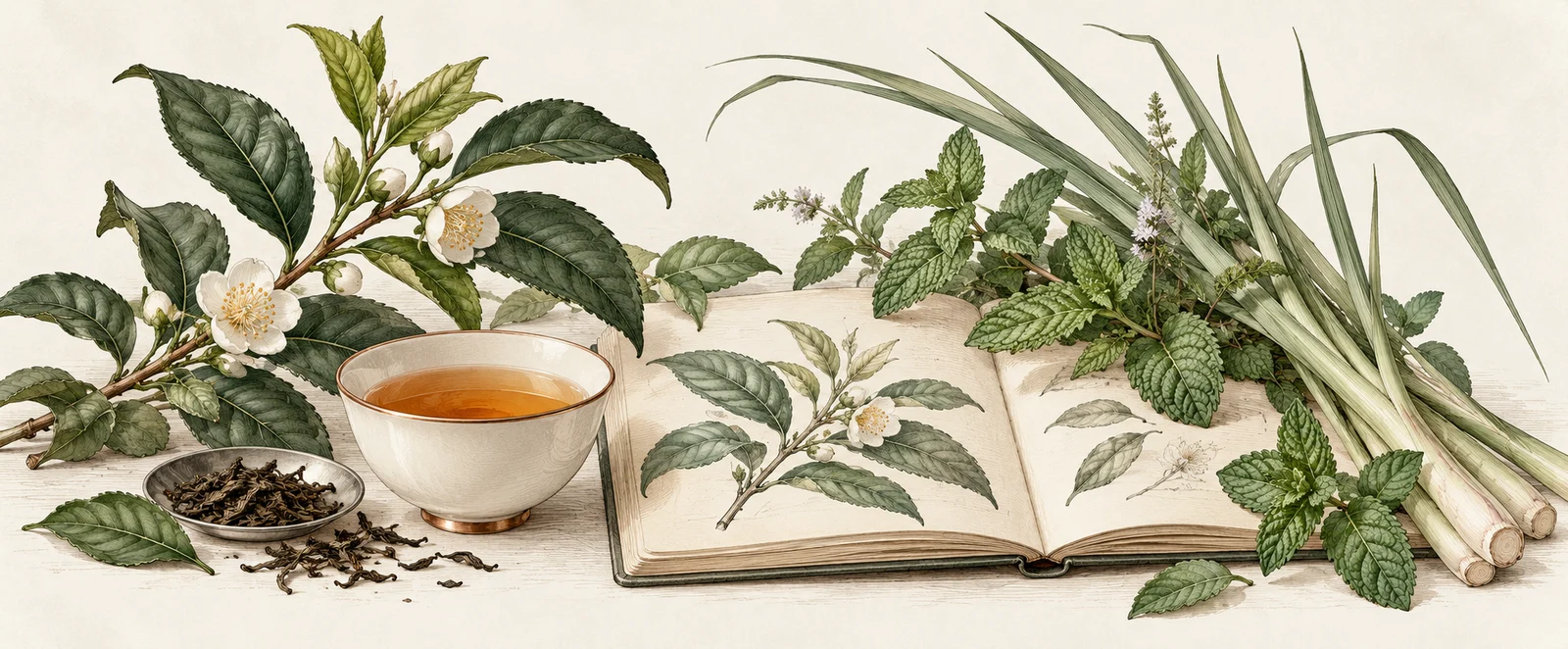
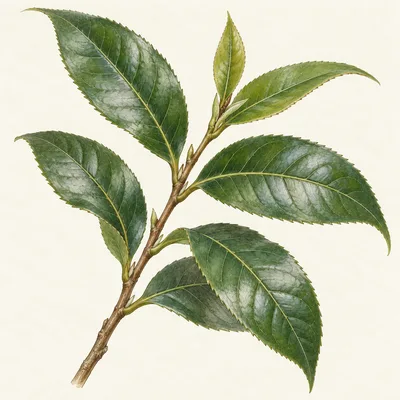
Tea cultivation developed in China thousands of years ago, and tea drinking became part of social rituals across Asia. Green, black, white and oolong teas come from the same species, with their differences largely created by processing the leaves.
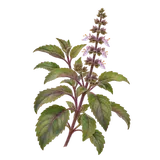
Tulsi is sacred in Hindu traditions and was historically grown in temple and household courtyards. The leaves also belong to South and Southeast Asian food and herbal traditions, including Thai cooking.
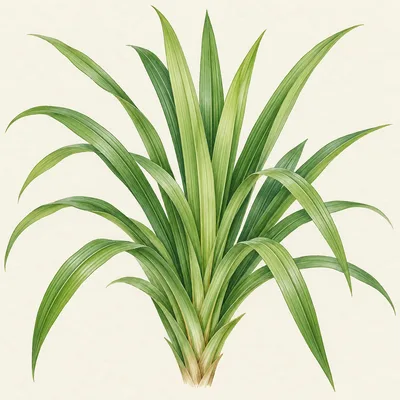
Fragrant pandan is a familiar garden and kitchen plant across Southeast Asia. Its leaves contribute aroma, green colouring and food wrapping to regional cooking, while leaf juice also flavours teas.
Contemporary Vietnamese leaf-tea research; wider Asian culinary use
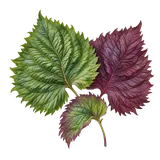
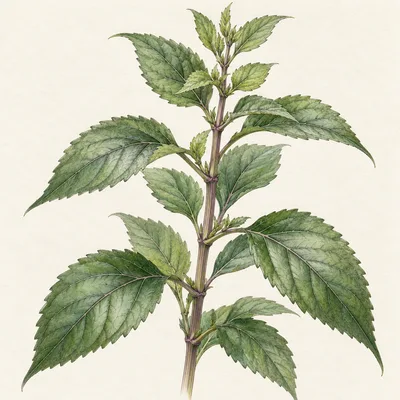
Perilla leaves have established culinary roles across East Asia and Vietnam. A 2025 Can Tho University study documents locally sourced Vietnamese leaves processed and brewed as a leaf tea.
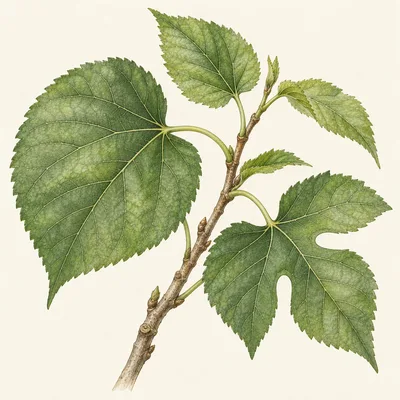
White mulberry is native to China and its leaves have long supported silkworm rearing. Across parts of Asia, the same leaves have entered foods, herbal drinks and Chinese medicinal traditions.
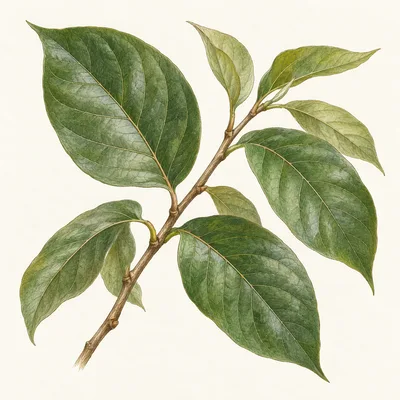
Persimmon is a long-cultivated East Asian fruit tree with a separate tradition of leaf use. A Japanese university medicinal garden documents young leaves used both for tea and as edible mountain vegetables.
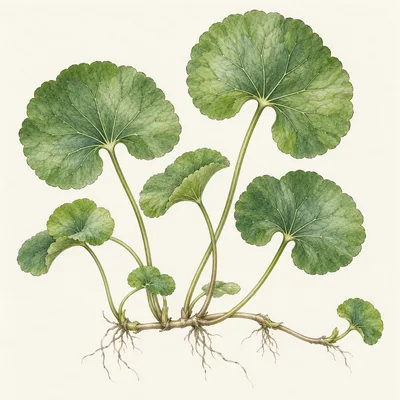
Gotu kola is a creeping herb of wet grassy places and is native to Singapore. Regional food use includes green leaf drinks and dried-leaf tea, alongside longstanding herbal applications.
Java tea belongs to tropical Asian herbal traditions and is also known as misai kuching. Indonesian and Malaysian records describe leaf decoctions, while the name Java tea refers to a herbal preparation rather than Camellia tea.
This yellow-flowered camellia occurs in southeastern China and northern Vietnam and was described scientifically in 1949. Sydney’s botanic gardens document Chinese use of both its leaves and flowers for tea and traditional medicine, but these plant parts should be kept distinct.
Philippines; contemporary leaf-tea processing of a South Asian tree
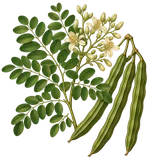
Known as malunggay in the Philippines, moringa provides leaves for contemporary herbal-tea processing. DOST-PCAARRD documents leaf-drying research in Iloilo. Moringa oleifera is native to northeastern Pakistan and northwestern India; use elsewhere in Asia does not imply it is native throughout the region.