← All tea regions

LEAVES, PLACES & STORIES

Europe tea leaves

A reading collection of 12 leaves, their regional stories and the traditions they carry.

Historical household practices and modern garden traditions, with sources to explore. A regional connection does not always mean native origin.

Research collection · Editorial review pending

Explore the 12 leaves
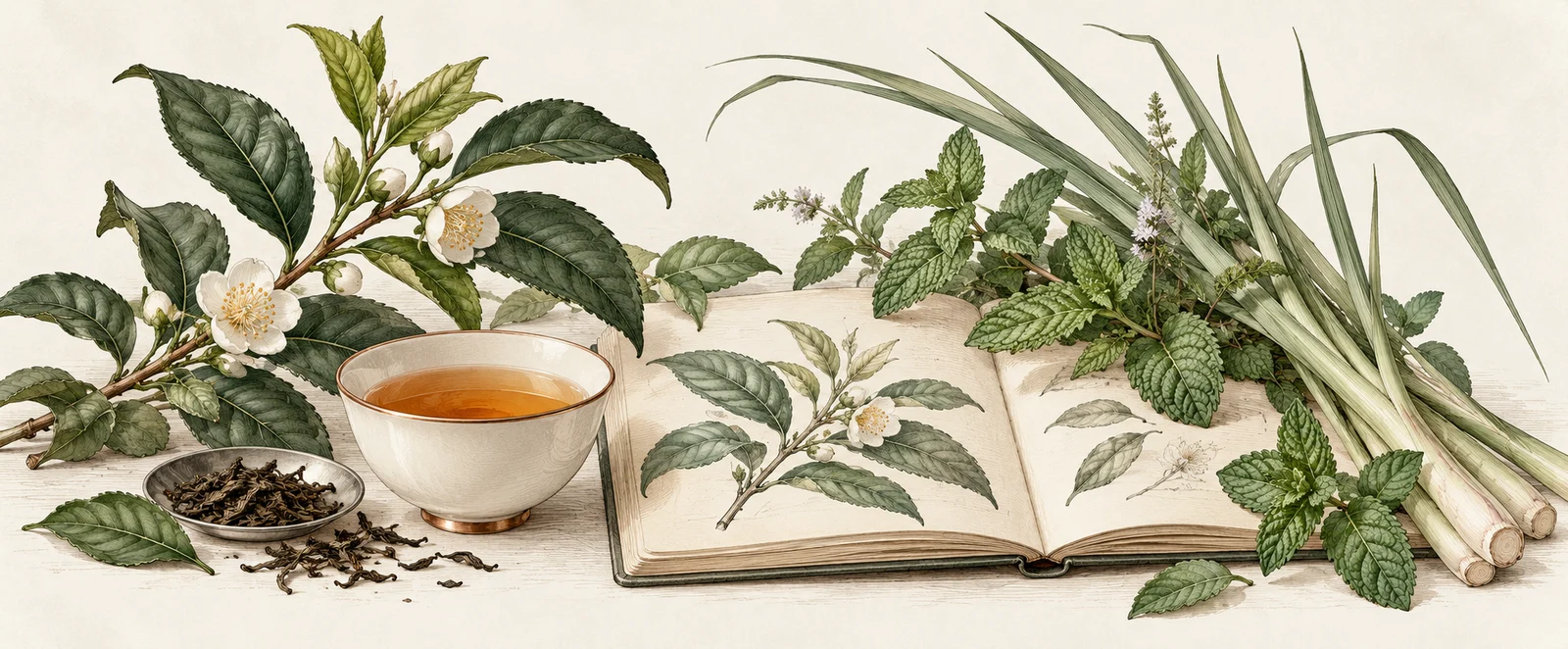
Decorative tea cup, notebook and botanical collection
Botanical collection artwork, not a plant identification guide.

THE REGIONAL COLLECTION

Find your next leaf story

Illustrations are decorative, not identification guides.

12 profiles

Tea leaf — decorative botanical illustration
Decorative botanical art · Not for identification.

True tea

Tea leaf

Camellia sinensis

Documented regional herbal tradition

An Asian tea plant became central to British teatime and was introduced to Kenya in 1903, where cultivation developed under colonial rule. Black, green, white and oolong teas come from the same species’ leaves, processed differently.

Explore this leaf
Peppermint leaf — decorative botanical illustration
Decorative botanical art · Not for identification.

Herbal leaf infusion

Peppermint leaf

Mentha × piperita

European herbal-monograph tradition; leaf preparations

Peppermint leaf has a documented European herbal-medicine tradition reflected in EMA’s monograph. Dried, cut leaves are prepared as an infusion; peppermint essential oil is a different preparation.

Explore this leaf
Lemon balm leaf — decorative botanical illustration
Decorative botanical art · Not for identification.

Herbal leaf infusion

Lemon balm leaf

Melissa officinalis

European herbal-monograph tradition; leaf preparations

Lemon balm leaves have long-standing use in European herbal preparations. EMA documents dried-leaf infusions and classifies the medicinal evidence as traditional use rather than established clinical efficacy.

Explore this leaf
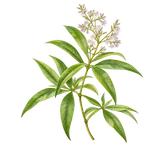
Lemon verbena leaf — decorative botanical illustration
Decorative botanical art · Not for identification.

Herbal leaf infusion

Lemon verbena leaf

Aloysia citrodora

European herbal-monograph tradition; leaf preparations

South American lemon verbena became part of European herbal practice. EMA documents leaf infusions and decoctions in its traditional-use monograph. This European association does not imply European native origin.

Explore this leaf
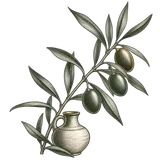
Olive leaf — decorative botanical illustration
Decorative botanical art · Not for identification.

Herbal leaf infusion

Olive leaf

Olea europaea

Documented regional herbal tradition

Olive-leaf preparations belong to Mediterranean herbal traditions, including European and Moroccan practice. EMA documents herbal tea from fresh or dried leaves; this is distinct from olive fruit and olive oil.

Explore this leaf
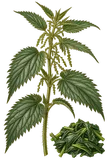
Nettle leaf — decorative botanical illustration
Decorative botanical art · Not for identification.

Herbal leaf infusion

Nettle leaf

Urtica dioica

Documented regional herbal tradition

Nettle leaf is documented in the European herbal tradition as a dried-leaf tea. Its leaf preparations have different uses from nettle-root products and should not be conflated.

Explore this leaf
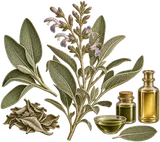
Sage leaf — decorative botanical illustration
Decorative botanical art · Not for identification.

Herbal leaf infusion

Sage leaf

Salvia officinalis

Documented regional herbal tradition

Sage leaf has an established place in European herbal practice. Leaf infusions appear in EMA’s traditional-use assessment, with drinking and mouth-rinsing uses distinguished.

Explore this leaf
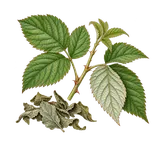
Raspberry leaf — decorative botanical illustration
Decorative botanical art · Not for identification.

Herbal leaf infusion

Raspberry leaf

Rubus idaeus

Documented regional herbal tradition

Raspberry leaves, rather than the berries, have a long-standing European herbal use. EMA documents leaf tea and a separate mouth-rinsing infusion, with insufficient clinical evidence for the listed traditional uses.

Explore this leaf
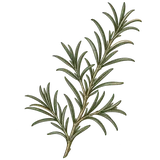
Rosemary leaf — decorative botanical illustration
Decorative botanical art · Not for identification.

Herbal leaf infusion

Rosemary leaf

Salvia rosmarinus (syn. Rosmarinus officinalis)

Documented regional herbal tradition

Rosemary leaf appears in the European herbal tradition under the name Rosmarinus officinalis. EMA distinguishes dried-leaf tea from external bath preparations and from rosemary essential oil.

Explore this leaf
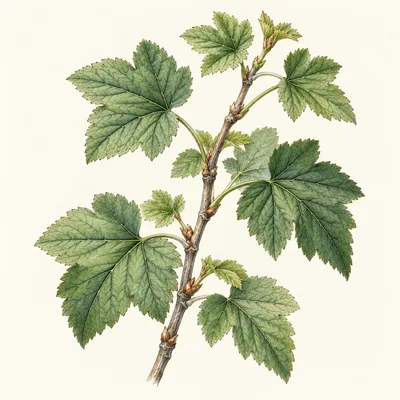
Blackcurrant leaf — decorative botanical illustration
Decorative botanical art · Not for identification.

Herbal leaf infusion

Blackcurrant leaf

Ribes nigrum

Documented regional herbal tradition

Blackcurrant leaves are documented in European herbal medicine independently of the familiar berries. EMA recognises dried-leaf tea as a traditional preparation, while noting the lack of patient studies establishing these uses.

Explore this leaf
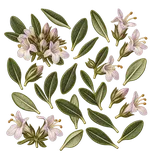
Thyme leaf and flowering herb — decorative botanical illustration
Decorative botanical art · Not for identification.

Herbal leaf infusion

Thyme leaf and flowering herb

Thymus vulgaris

Europe; documented herb-infusion tradition

Thyme herb has a documented European herbal-infusion tradition. EMA covers Thymus vulgaris and Thymus zygis, including cut herb used as tea; this profile identifies common thyme, T. vulgaris. The material includes leaves and flowers rather than leaves alone.

Explore this leaf
Ribwort plantain leaf — decorative botanical illustration
Decorative botanical art · Not for identification.

Herbal leaf infusion

Ribwort plantain leaf

Plantago lanceolata

Europe; documented leaf-infusion tradition

European herbal records include ribwort plantain leaf as an infusion material. EMA’s revised monograph describes cut leaves and several other preparations separately. Its traditional-use classification is not a finding of established clinical efficacy.


Explore this leaf