← All tea regions

LEAVES, PLACES & STORIES

Oceania tea leaves

A reading collection of 12 leaves, their regional stories and the traditions they carry.

Historical household practices and modern garden traditions, with sources to explore. A regional connection does not always mean native origin.

Research collection · Editorial review pending

Explore the 12 leaves
Decorative tea cup, notebook and botanical collection
Botanical collection artwork, not a plant identification guide.

THE REGIONAL COLLECTION

Find your next leaf story

Illustrations are decorative, not identification guides.

12 profiles

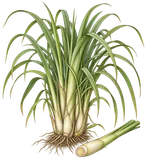
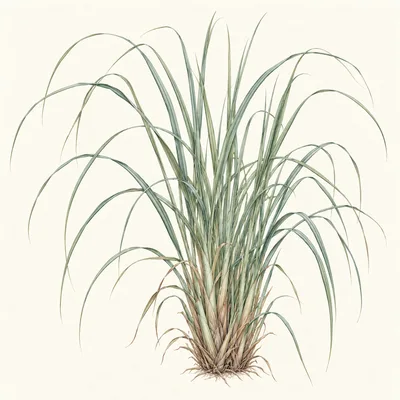
Fever grass / lemongrass — decorative botanical illustration
Decorative botanical art · Not for identification.

Herbal leaf infusion

Fever grass / lemongrass

Cymbopogon citratus

Australia; introduced herb in contemporary tea gardens

Culinary lemongrass features in contemporary Australian tea gardens. ABC Gardening Australia included Cymbopogon citratus in a Sydney tea-garden planting alongside other fragrant foliage. This introduced garden plant is distinct from Australian native lemongrass, Cymbopogon ambiguus, which has its own profile.

Explore this leaf
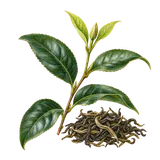
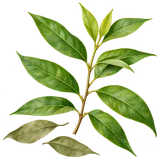
Tea leaf — decorative botanical illustration
Decorative botanical art · Not for identification.

True tea

Tea leaf

Camellia sinensis

New Zealand tea culture and Australian tea cultivation; introduced plant

Imported black tea became an everyday drink in New Zealand, where it is also called gumboot tea. Australia has also developed green-tea cultivation and processing research. These are introduced tea traditions built around the Asian Camellia sinensis plant, separate from local plants called tea tree.

Explore this leaf
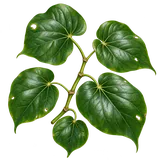
Kawakawa leaf — decorative botanical illustration
Decorative botanical art · Not for identification.

Herbal leaf infusion

Kawakawa leaf

Piper excelsum

Māori leaf-use traditions in Aotearoa New Zealand

Kawakawa is a New Zealand native with a valued place in Māori rongoā and food traditions. Te Ara records leaf tea as a drink enjoyed for its flavour as well as its traditional medicinal associations.

Explore this leaf
Lemon myrtle leaf — decorative botanical illustration
Decorative botanical art · Not for identification.

Herbal leaf infusion

Lemon myrtle leaf

Backhousia citriodora

Australian native; documented contemporary tea use

Lemon myrtle grows naturally in coastal Queensland forests. Australian National Botanic Gardens education material records its strongly scented leaves among plants used for tea and household products.

Explore this leaf
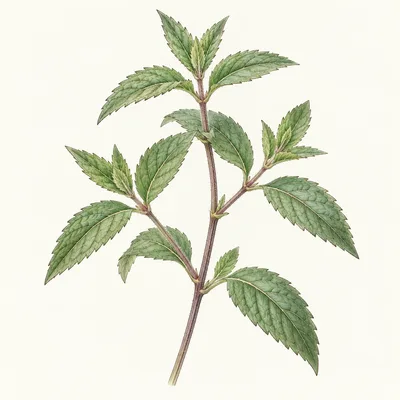
River mint leaf — decorative botanical illustration
Decorative botanical art · Not for identification.

Herbal leaf infusion

River mint leaf

Mentha australis

Australian native; traditional and contemporary uses

River mint is an Australian native aromatic herb associated with damp places. Contemporary Australian gardening and urban-biodiversity publications document leaf drinks and culinary uses alongside Indigenous stomach-remedy traditions.

Explore this leaf
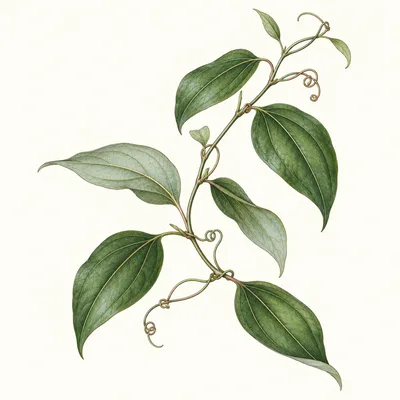
Sweet sarsaparilla leaf — decorative botanical illustration
Decorative botanical art · Not for identification.

Herbal leaf infusion

Sweet sarsaparilla leaf

Smilax glyciphylla

Historical Australian colonial leaf drink

Sweet sarsaparilla leaves were used as a tea substitute in the early New South Wales colony. The State Library preserves two leaves linked to Mary Bryant’s 1791 escape, offering material evidence of this colonial beverage history.

Explore this leaf
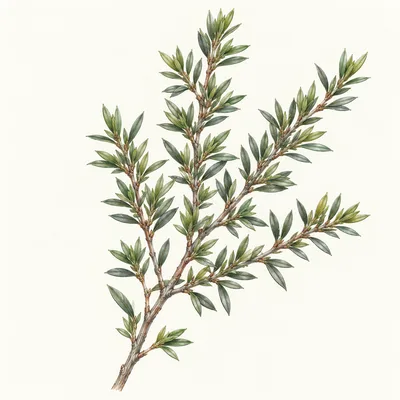
Mānuka leaf — decorative botanical illustration
Decorative botanical art · Not for identification.

Herbal leaf infusion

Mānuka leaf

Leptospermum scoparium

Historical New Zealand tea substitute

Mānuka is widespread in New Zealand and is distinct from kānuka despite their shared tea-tree nickname. The Department of Conservation records that Cook’s party and early settlers used its green leaves as a substitute for tea.

Explore this leaf
Native lemongrass leaf — decorative botanical illustration
Decorative botanical art · Not for identification.

Herbal leaf infusion

Native lemongrass leaf

Cymbopogon ambiguus

Australian native; traditional seasoning and modern leaf tea

Australian lemon-scented grass has a recorded traditional culinary use as a leaf seasoning for meat. South Australian environmental education also documents a modern use of the dried, chopped leaves as a herbal drink.

Explore this leaf
Peppermint leaf — decorative botanical illustration
Decorative botanical art · Not for identification.

Herbal leaf infusion

Peppermint leaf

Mentha × piperita

Introduced herb; contemporary Australian tea-garden use

Peppermint is an introduced herb in Australian gardens. Green Adelaide includes it in contemporary tea gardens, extending an older international leaf-infusion tradition.


Explore this leaf
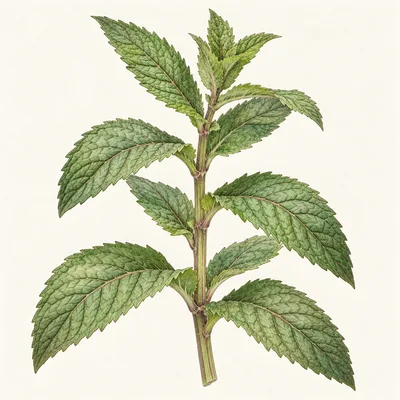
Spearmint leaf — decorative botanical illustration
Decorative botanical art · Not for identification.

Herbal leaf infusion

Spearmint leaf

Mentha spicata

Introduced herb; contemporary Australian tea-garden use

Spearmint is an introduced culinary herb in Australia. Green Adelaide lists it among mints grown for contemporary leaf tea.

Explore this leaf
Lemon balm leaf — decorative botanical illustration
Decorative botanical art · Not for identification.

Herbal leaf infusion

Lemon balm leaf

Melissa officinalis

Introduced herb; contemporary Australian tea-garden use

Lemon balm is an introduced herb in Australian gardens. Green Adelaide documents its contemporary use for hot or iced herbal drinks.

Explore this leaf
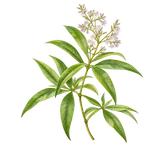
Lemon verbena leaf — decorative botanical illustration
Decorative botanical art · Not for identification.

Herbal leaf infusion

Lemon verbena leaf

Aloysia citrodora

Introduced South American herb; contemporary Australian tea-garden use

Lemon verbena originated in South America. Green Adelaide documents its contemporary Australian use in hot or iced herbal drinks.

Explore this leaf