A result against one virus in a dish is not a treatment in people. This page separates bite prevention, symptom relief, trial failures and early research. No herb or supplement here replaces vaccination or prescribed antiviral care.
Named-virus findings and limits, common-cold symptoms, and indirect mosquito-bite prevention.
Decorative topic illustration.
Care basics come first
Use recommended vaccines and seek early advice when flu or COVID-19 treatment may be needed.
Use bite prevention when traveling where mosquito-borne viruses occur.
Keep common-cold findings separate from influenza, COVID-19 and herpes.
How we chose these entries
A selected, evidence-labeled collection, not a worldwide ranking. Traditional use, nutrition, clinical results and laboratory findings are kept separate. Negative and safety entries are not counted as positive options.
Eight selected materials, including negative findings and one laboratory-only example. This is not eight effective antivirals. HIV, hepatitis, RSV and other named viruses are not assigned speculative herbal treatments. More cell-culture hits would not make a useful clinical list.
No records match. Try another name or clear the filters.
Care and risk-reduction research
Read the outcome, preparation and limits. A studied benefit does not make every product effective.
Risk reduction
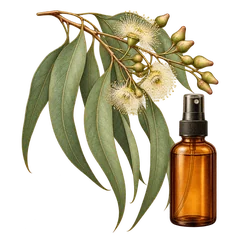
Oil of lemon eucalyptus / PMD repellent
Ingredient reference illustration: Oil of lemon eucalyptus / PMD. Studied form: EPA-registered labeled skin repellent. This does not verify the trial product or formulation, or show that it works. Decorative illustration; not an identification reference.
Corymbia citriodora-derived processed OLE; PMD may be manufactured · processed oil or PMD active ingredient
Form
EPA-registered labeled skin repellent
How it is used
skin
Evidence
public-health prevention guidance
Registered OLE or PMD repellents help prevent mosquito bites.
Virus and setting
Dengue virus
Zika virus
Chikungunya virus
Cautions
Follow the exact registered product label; generally avoid OLE/PMD under age three.
Ingredient reference illustration: Zinc. Studied form: oral acetate or gluconate lozenge. This does not verify the trial product or formulation, or show that it works. Decorative illustration; not an identification reference.
mineral
Form
oral acetate or gluconate lozenge
How it is used
oral
Evidence
low to very low certainty clinical evidence
Zinc lozenges may shorten a cold, with uncertain size of benefit.
Virus and setting
Common-cold syndrome; often rhinovirus, usually not laboratory typed
Cautions
Never use zinc inside the nose; lasting smell loss can occur.
Lozenges may cause nausea and bad taste; prolonged high intake can deplete copper.
These historical reports or laboratory findings do not establish a clinical benefit.
Early lab research
Lemon balm leaf extract: HSV-2 laboratory study
Early lab research. The specific research preparation or product is not pictured. This symbol marks an evidence or safety record, not a recommended remedy.
Melissa officinalis · leaf
Form
chemically characterized hydroalcoholic research extract
How it is used
cell culture only; no clinical route established
Evidence
cell-culture evidence only
A lemon-balm leaf extract reduced HSV-2 cell damage in a laboratory assay.
Virus and setting
Herpes simplex virus type 2
Cautions
Do not put alcohol tinctures on genital lesions; seek diagnosis and proven care.
Evidence, limits and sources for Lemon balm leaf extract: HSV-2 laboratory study
What was found
Researchers tested infected Vero cells, not patients.
What this does not show
No proof of treating genital herpes, preventing transmission or benefit from tea, oil or household tincture.
Exact ingredient
No exact card found in the 570-card inventory; related materials are not interchangeable.
Why we included it
Clear example of a named-virus laboratory finding.
Related material only
These are different ingredients or forms. Do not assume the same findings apply to them.
These records explain what to avoid or why a proposed benefit is not established.
No benefit or possible harm
Vitamin C and respiratory viruses
Ingredient reference illustration: Vitamin C Ascorbic Acid. Studied form: oral ascorbic acid. This does not verify the trial product or formulation, or show that it works. Decorative illustration; not an identification reference.
nutrient
Form
oral ascorbic acid
How it is used
oral
Evidence
agency summaries of clinical trials
Starting vitamin C after a cold begins has not shown consistent benefit; high-dose oral vitamin C did not shorten COVID-19 symptoms in one trial.
Virus and setting
Common-cold viruses, often untyped
SARS-CoV-2
Cautions
High doses cause digestive upset and may be unsuitable with iron overload.
Evidence, limits and sources for Vitamin C and respiratory viruses
What was found
Routine vitamin C does not prevent colds in most people.
What this does not show
Extreme-exertion populations differ; deficiency care is separate. The COVID fact sheet describes an older trial, not a complete current treatment guideline.
Exact ingredient
Existing card explicitly covers this material and route; this association is limited to the named form.
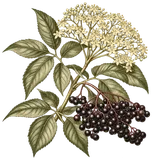
Ingredient reference illustration: Elderberry. Studied form: manufactured oral berry extract. This does not verify the trial product or formulation, or show that it works. Decorative illustration; not an identification reference.
Sambucus nigra · processed ripe berries
Form
manufactured oral berry extract
How it is used
oral
Evidence
randomized placebo-controlled trial
An 87-person influenza trial found no improvement in symptom duration or severity.
Virus and setting
Influenza virus, PCR-confirmed
Cautions
Do not delay time-sensitive flu care or substitute raw berries, stems or leaves.
No-benefit evidence reference. The specific research preparation or product is not pictured. This symbol marks an evidence or safety record, not a recommended remedy.
Camellia sinensis · green-tea leaf
Form
bottled brewed green tea used as gargle
How it is used
oromucosal gargle
Evidence
randomized open-label trial
Green-tea gargling did not significantly prevent influenza better than water in one trial.
Virus and setting
Influenza virus
Cautions
Gargling must not replace vaccination or other prevention; not for people unable to gargle safely.
Evidence, limits and sources for Green tea gargling and influenza
What was found
757 Japanese high-school students were enrolled; 747 completed. Laboratory-confirmed influenza was the main outcome.
What this does not show
Adherence was imperfect. This is not evidence for concentrated green-tea supplements.
Exact ingredient
No exact card found in the 570-card inventory; related materials are not interchangeable.
Why we included it
Useful food-preparation research without an antiviral badge.
Related material only
These are different ingredients or forms. Do not assume the same findings apply to them.
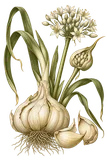
Ingredient reference illustration: Garlic. Studied form: culinary food. This does not verify the trial product or formulation, or show that it works. Decorative illustration; not an identification reference.
Allium sativum · bulb
Form
culinary food
How it is used
oral food
Evidence
insufficient clinical evidence
Garlic is food; evidence does not establish it as a cold remedy.
Virus and setting
Common-cold viruses; generally untyped
Cautions
Do not put raw garlic in the nose or on skin; it can burn. Supplements may increase bleeding risk.
Ingredient reference illustration: Vitamin D. Studied form: oral D2 or D3 supplements. This does not verify the trial product or formulation, or show that it works. Decorative illustration; not an identification reference.
nutrient
Form
oral D2 or D3 supplements
How it is used
oral
Evidence
mixed research; causal benefit unestablished
Low vitamin D levels do not prove that vitamin D supplements prevent or treat COVID-19.
Virus and setting
SARS-CoV-2
Cautions
Avoid unsupervised high-dose regimens; excess can injure kidneys.