An enlarged prostate is not the same as prostatitis or cancer. Some defined products have limited symptom evidence. None of the items here replaces cancer treatment or care for a bacterial infection.
BPH urinary symptoms, chronic prostatitis/chronic pelvic pain, and prostate-cancer supplement evidence are separate sections. Relevant to adults who have a prostate.
Decorative topic illustration.
Care basics come first
Get new urinary symptoms checked; do not assume they are BPH.
For diagnosed BPH, discuss changes to evening fluids, caffeine and alcohol, and review medicines that may worsen symptoms.
Chronic pelvic pain often needs a tailored plan, which may include pelvic-floor care.
Discuss PSA testing based on your age, risks and preferences. Supplements do not replace that discussion.
How we chose these entries
Twelve materials were selected for meaningful symptom research, documented tradition or important negative findings. Negative findings are not positive treatment options. No objective worldwide ranking is claimed.
No attempt was made to fill 20 slots. Many other products have only cell studies, blends that cannot identify the active ingredient, or PSA-only results. Those are not grounds to call them prostate treatments.
No records match. Try another name or clear the filters.
Care and risk-reduction research
Read the outcome, preparation and limits. A studied benefit does not make every product effective.
Symptom support
Beta-sitosterol-rich phytosterol preparation
Ingredient reference illustration: Beta-sitosterol-rich phytosterol preparation. Studied form: Oral non-glucosidic phytosterol preparation studied in BPH. This does not verify the trial product or formulation, or show that it works. Decorative illustration; not an identification reference.
Isolated plant sterol mixture
Form
Oral non-glucosidic phytosterol preparation studied in BPH
How it is used
oral
Evidence
Limited clinical evidence
A studied sterol preparation improved BPH symptom scores and urine flow over six months.
Cautions
Have urinary symptoms assessed before use.
Ask a pharmacist to review the exact product and other medicines.
Ingredient reference illustration: Quercetin. Studied form: Oral quercetin supplement. This does not verify the trial product or formulation, or show that it works. Decorative illustration; not an identification reference.
Isolated flavonoid
Form
Oral quercetin supplement
How it is used
oral
Evidence
Low certainty; small preliminary trial
Quercetin improved symptoms in a small trial of chronic nonbacterial pelvic pain syndrome.
Cautions
Do not use instead of antibiotics for a diagnosed bacterial infection.
Review concentrated supplements with a pharmacist.
Ingredient reference illustration: Defined pollen extract (Cernilton). Studied form: Cernitin T60 water-soluble and Cernitin GBX fat-soluble oral fractions. This does not verify the trial product or formulation, or show that it works. Decorative illustration; not an identification reference.
Pollen; defined Cernitin fractions
Form
Cernitin T60 water-soluble and Cernitin GBX fat-soluble oral fractions
How it is used
oral
Evidence
Limited clinical evidence
This defined pollen extract improved pain and quality of life in inflammatory chronic pelvic pain syndrome.
Cautions
Discuss pollen allergy and the exact product with a clinician.
Long-term safety and effects of other pollen products are uncertain.
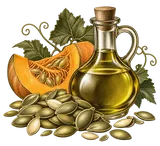
Ingredient reference illustration: Pumpkin seeds (whole and pepitas). Studied form: Purified seeds of a specified medicinal hull-less cultivar; not oil. This does not verify the trial product or formulation, or show that it works. Decorative illustration; not an identification reference.
Cucurbita pepo · Mature seed
Form
Purified seeds of a specified medicinal hull-less cultivar; not oil
How it is used
oral
Evidence
Low certainty; partially blinded trial
A specific pumpkin seed product showed a possible BPH symptom benefit; confirmation is needed.
The one-year GRANU trial enrolled 1,431 men. The seed group had more symptom responders than placebo, but the extract failed the first planned statistical comparison, so the seed result was descriptive.
What this does not show
The seed arm was not fully blinded. The medicinal cultivar and purified form cannot be assumed equivalent to every food product.
Exact ingredient
Existing card 162 includes hull-less seeds. Add the named-cultivar trial only; do not imply that all snack seeds match it.
Why we included it
Useful food-form study with its key statistical limitation retained.
Related material only
These are different ingredients or forms. Do not assume the same findings apply to them.
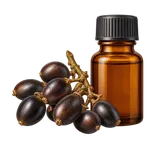
Ingredient reference illustration: Pumpkin seed oil. Studied form: Specified oral seed-oil capsules. This does not verify the trial product or formulation, or show that it works. Decorative illustration; not an identification reference.
Cucurbita pepo · Seed
Form
Specified oral seed-oil capsules
How it is used
oral
Evidence
Low certainty; small active-comparator trial
Pumpkin seed oil capsules have limited human evidence for BPH symptom relief.
Cautions
Avoid with seed allergy.
Do not ingest cosmetic oil or stop prescribed treatment.
These historical reports or laboratory findings do not establish a clinical benefit.
Traditional reports
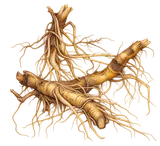
Nettle root
Ingredient reference illustration: Nettle root. Studied form: Specified root tea or oral dry/liquid extracts in the EMA monograph. This does not verify the trial product or formulation, or show that it works. Decorative illustration; not an identification reference.
Urtica dioica; Urtica urens · Root
Form
Specified root tea or oral dry/liquid extracts in the EMA monograph
How it is used
oral
Evidence
Traditional use; efficacy not established
Specified nettle root products have a traditional European role for BPH urinary symptoms after medical assessment.
Cautions
Allergy and digestive upset are possible.
Blood in urine, fever, painful urination or urine retention need medical care.
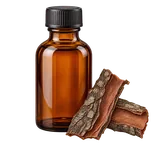
Ingredient reference illustration: Pygeum bark extract. Studied form: Specified soft extract, DER 114–222:1, extraction solvent chloroform; finished oral medicine only. This does not verify the trial product or formulation, or show that it works. Decorative illustration; not an identification reference.
Prunus africana (syn. Pygeum africanum) · Bark
Form
Specified soft extract, DER 114–222:1, extraction solvent chloroform; finished oral medicine only
How it is used
oral
Evidence
Traditional use; limited clinical certainty
EMA recognizes a traditional-use role for specified pygeum bark extract for BPH urinary symptoms after serious causes are excluded.
These records explain what to avoid or why a proposed benefit is not established.
No benefit or possible harm
Saw palmetto fruit extract
Ingredient reference illustration: Saw palmetto fruit extract. Studied form: Single-herb oral extracts; extraction methods differ. This does not verify the trial product or formulation, or show that it works. Decorative illustration; not an identification reference.
Evidence, limits and sources for Saw palmetto fruit extract
What was found
NIH trials and a 2023 review found no meaningful benefit, even with higher doses. NCCIH also reports no significant benefit for chronic pelvic pain syndrome.
What this does not show
Combination products cannot establish the effect of saw palmetto alone. This is not evidence of prostate cancer prevention.
Exact ingredient
No saw palmetto card in the existing 570.
Why we included it
Common prostate-marketing claim needs an evidence check.
Ingredient reference illustration: Vitamin E. Studied form: Oral all-rac-alpha-tocopheryl acetate studied in SELECT. This does not verify the trial product or formulation, or show that it works. Decorative illustration; not an identification reference.
Synthetic alpha-tocopherol
Form
Oral all-rac-alpha-tocopheryl acetate studied in SELECT
How it is used
oral
Evidence
High certainty for the studied regimen
High-dose vitamin E should not be taken to prevent prostate cancer.
Cancer type and setting
Prostate cancer; prevention in men without diagnosed prostate cancer
Cautions
Do not copy the trial regimen as a recommendation.
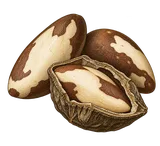
Ingredient reference illustration: Selenium. Studied form: Oral isolated supplement studied in SELECT. This does not verify the trial product or formulation, or show that it works. Decorative illustration; not an identification reference.
Selenium as L-selenomethionine
Form
Oral isolated supplement studied in SELECT
How it is used
oral
Evidence
High certainty for the studied regimen
Selenium supplements did not prevent prostate cancer in SELECT.
Cancer type and setting
Prostate cancer; prevention and high-grade risk subgroup
Cautions
Do not stack selenium-containing products for prostate protection.
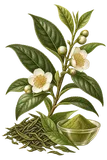
Ingredient reference illustration: Green tea extract. Studied form: Oral standardized decaffeinated catechin mixture (Polyphenon E). This does not verify the trial product or formulation, or show that it works. Decorative illustration; not an identification reference.
Evidence, limits and sources for Green tea catechin extract
What was found
NCI reports a one-year trial in 97 men with HGPIN or atypical small acinar proliferation. Cancer occurred in 5/49 on extract and 9/48 on placebo; the difference was not significant.
What this does not show
This does not prove benefit from brewed tea or all extracts. The small trial cannot rule out every possible effect.
Exact ingredient
Card 81 explicitly distinguishes oral standardized extracts from cosmetic extracts and tea. Keep this finding attached to the named oral preparation.
Why we included it
Keeps a frequently marketed cancer-prevention product in its proper evidence category.
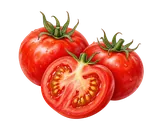
Ingredient reference illustration: Tomato. Studied form: Tomato foods, including cooked products; not isolated lycopene. This does not verify the trial product or formulation, or show that it works. Decorative illustration; not an identification reference.
Solanum lycopersicum · Ripe fruit
Form
Tomato foods, including cooked products; not isolated lycopene
How it is used
oral
Evidence
Clinical biomarker evidence is limited
Tomatoes can be part of meals, but are not an established prostate cancer treatment.
Cancer type and setting
Prostate cancer; food research, not established treatment
Cautions
Continue recommended screening discussions and cancer care.
Do not treat falling PSA after a diet change as proof that cancer is controlled.