An injury needs the right diagnosis, wound care and rehabilitation. Food supplies building blocks. A soothing cream does not repair a torn tendon, and extra nutrients are not always better.
Minor injuries, wound-care boundaries, nutrition and recovery; relevant to adults of any sex.
Decorative topic illustration.
Care basics come first
Follow the clinician or physiotherapist's rehabilitation plan.
Clean small cuts and use a suitable sterile dressing.
Eat enough varied food and protein; ask for dietetic help with poor intake or weight loss.
How we chose these entries
A selected, evidence-labeled collection, not a worldwide ranking. Traditional use, nutrition, clinical results and laboratory findings are kept separate. Negative and safety entries are not counted as positive options.
Eleven focused entries. More foods could supply the same nutrients, but listing them as separate injury remedies would pad the category. No evidence here that supplements speed healing in nondeficient adults. Arnica remains an unverified candidate because supporting EMA pages failed to load.
No records match. Try another name or clear the filters.
Care and risk-reduction research
Read the outcome, preparation and limits. A studied benefit does not make every product effective.
Support during care
Vitamin C
Ingredient reference illustration: Vitamin C Ascorbic Acid. Studied form: food vitamin C or oral ascorbic acid. This does not verify the trial product or formulation, or show that it works. Decorative illustration; not an identification reference.
nutrient
Form
food vitamin C or oral ascorbic acid
How it is used
oral
Evidence
established nutrient function
Enough vitamin C supports normal collagen formation and wound repair.
Cautions
Large supplemental amounts can cause diarrhea; discuss use with iron overload or kidney disease.
Ingredient reference illustration: Zinc. Studied form: dietary zinc or an indicated oral supplement. This does not verify the trial product or formulation, or show that it works. Decorative illustration; not an identification reference.
mineral
Form
dietary zinc or an indicated oral supplement
How it is used
oral
Evidence
established nutrient function
Adequate zinc supports normal tissue repair.
Cautions
Long-term high intake can lower copper; check antibiotic interactions.
Ingredient reference illustration: Calcium. Studied form: food calcium or an indicated oral supplement. This does not verify the trial product or formulation, or show that it works. Decorative illustration; not an identification reference.
mineral
Form
food calcium or an indicated oral supplement
How it is used
oral
Evidence
established nutrient function
Enough calcium supports normal bones during recovery.
Cautions
Excess supplementation can cause harm; discuss kidney stones and medicine timing.
Ingredient reference illustration: Vitamin D. Studied form: oral D2 or D3. This does not verify the trial product or formulation, or show that it works. Decorative illustration; not an identification reference.
nutrient
Form
oral D2 or D3
How it is used
oral
Evidence
established nutrient function
Adequate vitamin D helps the body absorb calcium and maintain bone.
Cautions
Excess vitamin D can raise calcium and damage kidneys.
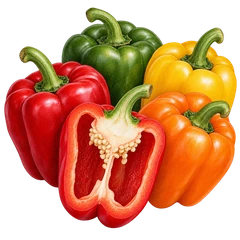
Ingredient reference illustration: Bell peppers: green, red, yellow and orange. Studied form: raw or cooked food. This does not verify the trial product or formulation, or show that it works. Decorative illustration; not an identification reference.
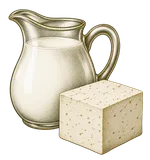
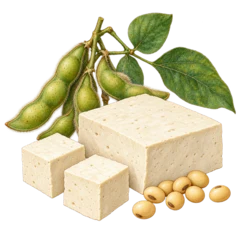
Ingredient reference illustration: Tofu / soy food. Studied form: tofu as food. This does not verify the trial product or formulation, or show that it works. Decorative illustration; not an identification reference.
Glycine max · coagulated soy milk
Form
tofu as food
How it is used
oral food
Evidence
clinical nutrition guidance
Tofu can help meet protein needs while a wound heals.
Cautions
Avoid with soy allergy; protein targets need individual advice in kidney disease.
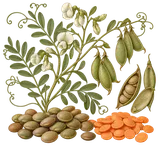
Ingredient reference illustration: Lentils (KJV lentiles). Studied form: cooked lentils. This does not verify the trial product or formulation, or show that it works. Decorative illustration; not an identification reference.
Lens culinaris · seed
Form
cooked lentils
How it is used
oral food
Evidence
clinical nutrition guidance
Lentils add nutrients to a varied recovery diet.
Cautions
Cook before eating; adjust portions to tolerance and prescribed diets.
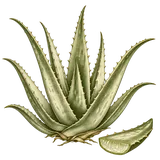
Ingredient reference illustration: Aloe vera. Studied form: formulated topical gel. This does not verify the trial product or formulation, or show that it works. Decorative illustration; not an identification reference.
Aloe vera · clear inner-leaf gel
Form
formulated topical gel
How it is used
skin
Evidence
limited clinical evidence
Some clinical research suggests aloe gel may help burn healing and pain.
Cautions
Serious burns need medical care; do not put a nonsterile leaf or cosmetic gel into a serious wound.
Stop for burning, rash or itching; latex and whole-leaf oral products are different.
Ingredient reference illustration: Bromelain oral supplement. Studied form: manufactured oral bromelain. This does not verify the trial product or formulation, or show that it works. Decorative illustration; not an identification reference.
Ananas comosus · pineapple-derived enzyme mixture
Form
manufactured oral bromelain
How it is used
oral
Evidence
limited clinical evidence
Small studies suggest benefit for some symptoms after wisdom-tooth surgery.
Cautions
Stomach upset and diarrhea can occur; review medicines before surgery.
These historical reports or laboratory findings do not establish a clinical benefit.
Traditional reports
Calendula flower
Ingredient reference illustration: Calendula. Studied form: labeled topical flower preparation. This does not verify the trial product or formulation, or show that it works. Decorative illustration; not an identification reference.
Calendula officinalis · flowers
Form
labeled topical flower preparation
How it is used
skin
Evidence
documented traditional use; clinical evidence insufficient
Calendula has a documented traditional role in minor skin inflammation and small wounds.
Cautions
Avoid with Asteraceae allergy; use appropriate wound products rather than homemade plant material.
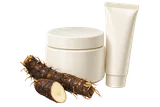
Ingredient reference illustration: Comfrey root topical medicine. Studied form: quality-controlled ethanol extract in cream or ointment. This does not verify the trial product or formulation, or show that it works. Decorative illustration; not an identification reference.
Symphytum officinale · root
Form
quality-controlled ethanol extract in cream or ointment
How it is used
intact skin
Evidence
documented traditional use
Specific comfrey-root medicines have traditional use for minor sprains and bruises.
Cautions
Adults only; use no longer than 10 days under the product label.
Pyrrolizidine alkaloids can harm the liver; only a controlled medicinal preparation is relevant. Never swallow it.