Skin cancer has different types. A supplement result for basal- or squamous-cell cancer does not establish a benefit for melanoma. None of these materials treats a suspicious spot.
Nonmelanoma prevention, melanoma boundaries and dangerous topical products. Relevant to all adults.
Decorative topic illustration.
Care basics come first
Limit UV exposure; use shade, protective clothing and sunscreen.
Have changing, bleeding or nonhealing spots checked.
People with prior skin cancer or a transplant need an individual plan.
How we chose these entries
A curated set of useful materials and cautionary examples, not a worldwide ranking. Negative and safety entries are not benefit recommendations.
Five high-value entries were retained: a limited prevention finding, two negative supplement examples, one urgent safety reference and one reported tradition. There is no defensible 20-item list of skin-cancer remedies. Historical labels are not retrospectively assigned to melanoma or squamous-cell cancer.
Prevention belongs here alongside treatment research, with the role and evidence stated separately. Lower sunburn or laboratory UV damage does not by itself demonstrate fewer skin cancers. None of the oils, foods or supplements below treats an existing skin cancer. Changing, bleeding or nonhealing spots need medical assessment.
Seek shade and wear covering clothing, a wide-brimmed hat and UV-protective sunglasses; UPF-labelled clothing adds a tested protection measure.
On uncovered skin, use a broad-spectrum, water-resistant sunscreen with SPF 30 or higher. Reapply every two hours outdoors and after swimming or sweating, following the label.
Zinc oxide and titanium dioxide are sunscreen active ingredients, but protection belongs to the tested finished product. An ointment, loose powder or homemade oil mixture is not automatically a sunscreen.
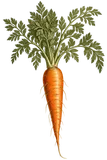
Carrot seed oil: used in sun-care claims, not a reliable sunscreen
Carrot seed essential oil, fixed seed oil and carrot-root/carotene preparations are different materials; evidence cannot be transferred between them. A 2021 study testing vegetable oils by an ISO human SPF method found only low UVB protection for its carrot-seed oil sample. A 2026 laboratory study also found negligible protection from the tested carrot-seed oil. Neither supports a broad-spectrum sunscreen claim, cancer-prevention claim or DIY SPF recipe. A finished sunscreen can contain carrot ingredients while obtaining protection from its actual UV filters.
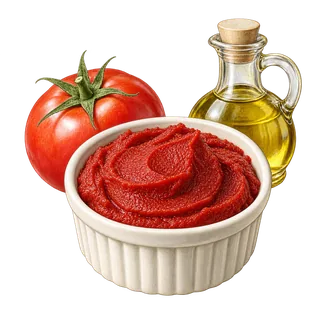
Small studies of a specific oral Polypodium extract and tomato paste measured sunburn responses or photodamage markers. These are adjunct research leads, not established skin-cancer prevention or permission to stay in the sun longer. Nicotinamide has a separate, limited prevention result in selected high-risk adults; it is not sunscreen.
ONTRAC randomized 386 adults with at least two prior nonmelanoma skin cancers in five years: 500 mg nicotinamide twice daily for 12 months reduced new keratinocyte cancers by 23% versus placebo during treatment, without sustained benefit after stopping. This is a study regimen, not personal dosing advice. A separate 158-participant transplant trial found no benefit and stopped early for poor recruitment.
No demonstrated treatment of existing lesions or melanoma benefit. NCI regards overall preventive evidence as inadequate.
Beta-carotene pills: no established skin-cancer prevention
Randomized trials have not established nonmelanoma skin-cancer prevention from beta-carotene pills. High-dose beta-carotene increased lung-cancer risk in smokers in major prevention trials. This is not a warning against ordinary vegetables.
Evidence, limits and sources for Tomato paste: dietary photoprotection research
What was found
Twenty healthy women consumed tomato paste with olive oil or olive oil alone for 12 weeks. Some instrument-measured redness and skin-damage markers improved; the visually assessed minimal erythema dose was not significantly different.
What this does not show
This did not test skin-cancer incidence. Findings do not establish a sunscreen effect or benefits from every tomato food or isolated lycopene supplement.
Exact ingredient
Exact match to card 411 edible tomato fruit/paste; not isolated lycopene or topical plant extracts.
Why we included it
Adds a distinct prevention or photoprotection evidence role without implying treatment.
Polypodium leucotomos: early photoprotection research
Decorative illustration; not an identification reference. Generic format context; actual studied or finished product not shown.
Studied fern extract; botanical part not specified in the inspected abstract
Form
Specific oral extract used in a placebo-controlled trial
How it is used
oral
Evidence
Small randomized placebo-controlled human trial; surrogate outcomes
A small short-term trial found reduced UV-related redness and sunburn measures.
Cancer type and setting
Skin-cancer prevention context; no existing-cancer treatment claim
Cautions
Discuss supplement use with a clinician, especially during cancer treatment. Continue sunscreen, clothing and shade.
Why no exact ingredient link?
No exact existing card found. Keep as a topic-only research reference until exact botanical part and product specification are fully documented.
Evidence, limits and sources for Polypodium leucotomos: early photoprotection research
What was found
A 60-day trial of oral extract reported better sunburn and UV-redness measures and no changes in its safety assessments.
What this does not show
No skin-cancer prevention or treatment outcome was established. Short-term safety findings do not establish long-term safety, use in pregnancy or suitability for every patient. Generic fern teas and other extracts are not interchangeable.
Exact ingredient
No exact existing card found. Keep as a topic-only research reference until exact botanical part and product specification are fully documented.
Why we included it
Adds a distinct prevention or photoprotection evidence role without implying treatment.
Read the outcome, preparation and limits. A studied benefit does not make every product effective.
Risk reduction
Nicotinamide (niacinamide)
Ingredient reference illustration: Vitamin B3 Niacin. Studied form: Oral nicotinamide tablets. This does not verify the trial product or formulation, or show that it works. Decorative illustration; not an identification reference.
Isolated vitamin B3 form
Form
Oral nicotinamide tablets
How it is used
oral
Evidence
One positive randomized trial; limited generalizability
May lower new nonmelanoma skin cancers in selected high-risk adults while taken.
Cancer type and setting
Basal-cell and cutaneous squamous-cell carcinomas; high-risk prevention
Cautions
Discuss with a dermatologist. Nicotinic acid and skin creams are not interchangeable with these tablets.
Evidence, limits and sources for Nicotinamide (niacinamide)
What was found
ONTRAC enrolled 386 adults with at least two prior nonmelanoma skin cancers. New cancers fell 23% during one year; benefit did not persist after stopping.
What this does not show
Not proof for melanoma, everyone, or treatment of an existing lesion. NCI describes overall evidence as inadequate; a separate transplant trial found no benefit.
Exact ingredient
Card 43 explicitly distinguishes nicotinamide from nicotinic acid and topical forms; attach only this oral-form association.
Why we included it
Separates a real prevention finding from broad B3 claims.
A tested broad-spectrum sunscreen is part of recommended UV-risk reduction.
Cancer type and setting
Skin-cancer prevention context; no existing-cancer treatment claim
Cautions
Follow the finished product label. Do not make sunscreen by mixing powder into oil or lotion.
Why no exact ingredient link?
Related zinc-oxide ingredient profile; not a match to a particular tested finished sunscreen.
Evidence, limits and sources for Zinc oxide: finished sunscreen
What was found
FDA lists zinc oxide as a sunscreen active. AAD recommends broad-spectrum, water-resistant SPF 30 or higher sunscreen with shade and clothing.
What this does not show
Do not assign an SPF from zinc concentration or from the ingredient alone. Cancer-trial results for sunscreen do not establish zinc oxide as cancer treatment.
Exact ingredient
Related zinc-oxide ingredient profile; not a match to a particular tested finished sunscreen.
Why we included it
Adds a distinct prevention or photoprotection evidence role without implying treatment.
Related material only
These are different ingredients or forms. Do not assume the same findings apply to them.
These historical reports or laboratory findings do not establish a clinical benefit.
Traditional reports
Pistacia palaestina: reported skin use
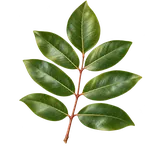
Ingredient reference illustration: Pistacia palaestina leaf reference. Studied form: Reported traditional paste; not a clinical product. This does not verify the trial product or formulation, or show that it works. Decorative illustration; not an identification reference.
Pistacia palaestina · Leaves
Form
Reported traditional paste; not a clinical product
How it is used
topical; historical record only
Evidence
Ethnobotanical survey only
A West Bank survey recorded leaf-paste use for skin cancer.
Cancer type and setting
Skin cancer; subtype unspecified in the report
Cautions
Do not put homemade preparations on a suspicious lesion or postpone examination.
These records explain what to avoid or why a proposed benefit is not established.
No benefit or possible harm
Selenium-enriched yeast
Ingredient reference illustration: Selenium. Studied form: Oral selenium-enriched yeast tablets. This does not verify the trial product or formulation, or show that it works. Decorative illustration; not an identification reference.
Selenium in yeast
Form
Oral selenium-enriched yeast tablets
How it is used
oral
Evidence
Randomized trial evidence of no benefit and harm
Selenium is not a skin-cancer prevention supplement.
Cancer type and setting
Cutaneous squamous-cell carcinoma and basal-cell carcinoma
Evidence, limits and sources for Selenium-enriched yeast
What was found
In people with prior basal- or squamous-cell cancers, a trial found no clear basal-cell benefit and increased squamous-cell and total keratinocyte cancers.
What this does not show
Does not show ordinary selenium-containing foods are harmful.
Exact ingredient
Existing card explicitly covers this part and form; keep the claim limited to this preparation.
Ingredient reference illustration: Vitamin A. Studied form: Oral supplement. This does not verify the trial product or formulation, or show that it works. Decorative illustration; not an identification reference.
Isolated provitamin A carotenoid
Form
Oral supplement
How it is used
oral
Evidence
Randomized prevention trials
Beta-carotene pills have not prevented nonmelanoma skin cancer.
Cancer type and setting
Basal-cell and cutaneous squamous-cell carcinomas
Cautions
High-dose beta-carotene also raises lung-cancer risk in smokers.
Safety reference. The specific research preparation or product is not pictured. This symbol marks an evidence or safety record, not a recommended remedy.
Variable mixture; may contain bloodroot and zinc chloride
Form
Corrosive topical salve
How it is used
topical; unsafe use reference only
Evidence
Regulator safety warning
Do not use black salve on a suspected skin cancer.
Cancer type and setting
Suspected skin cancers, including lesions without a confirmed subtype
Cautions
Seek medical help for a nonhealing or changing lesion; do not repeat the application.
Evidence, limits and sources for Black salve: avoid
What was found
FDA warns that corrosive salves can injure tissue and delay diagnosis, allowing cancer to progress.
What this does not show
A wound or scab after use does not prove a cancer was removed.
Exact ingredient
A variable salve is not a zinc nutrient supplement or an exact match to card 58. Keep as a warning-only topic reference.
Why we included it
Clarifies a commonly confused claim.
Related material only
These are different ingredients or forms. Do not assume the same findings apply to them.